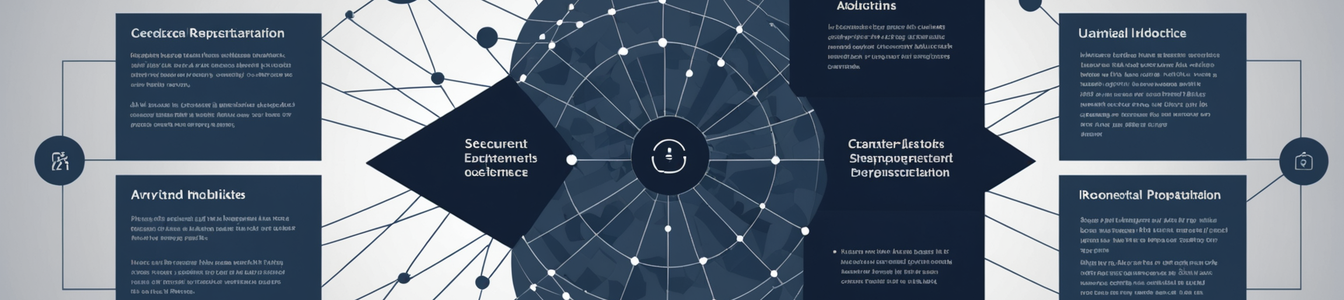
The escalating convergence between physical infrastructure and digital control systems has created a new era of systemic vulnerabilities, where disruptions in one critical sector rapidly cascade across multiple domains. Recent global incidents highlight the urgent need for cybersecurity professionals to rethink traditional protection strategies and address these complex interdependencies.
In Mali, a month-long jihadist blockade has triggered severe fuel shortages, demonstrating how physical security incidents can cripple energy infrastructure and create ripple effects throughout the economy. The blockade has not only disrupted fuel distribution but also compromised the operational capabilities of other critical services dependent on reliable energy supplies. This incident underscores the vulnerability of supply chains where digital monitoring and control systems intersect with physical logistics.
Meanwhile, in India's Himachal Pradesh region, recurring landslides have exposed weaknesses in environmental monitoring and early warning systems. These natural disasters disrupt transportation networks, communication infrastructure, and emergency response capabilities. The pattern of recurring tragedies suggests inadequate integration between geological monitoring systems, predictive analytics, and disaster response protocols. Cybersecurity professionals should note how environmental threats can exploit weaknesses in interconnected infrastructure systems.
Pakistan's Sindh province presents another dimension of infrastructure vulnerability, where farmers are rebelling against corrupt rice cartels amid government neglect. This agricultural crisis reveals how digital systems controlling irrigation, commodity pricing, and supply chain logistics can be compromised by both technical vulnerabilities and human factors. The situation demonstrates how corruption and systemic failures can create openings for malicious actors to manipulate critical food supply systems.
These incidents collectively illustrate three critical challenges for infrastructure security:
The convergence of operational technology (OT) and information technology (IT) systems has blurred traditional security boundaries. Where once physical infrastructure and digital systems operated in separate domains, they now form interconnected ecosystems where vulnerabilities in one layer can compromise the entire system.
Supply chain dependencies create cascading failure risks. The Mali fuel crisis shows how disruptions in one geographic region or sector can rapidly propagate through interconnected supply networks, affecting everything from transportation to healthcare services.
Environmental and human factors introduce unpredictable threat vectors. The landslides in Himachal Pradesh and agricultural conflicts in Sindh demonstrate that infrastructure security must account for natural disasters, climate change impacts, and socio-economic pressures alongside traditional cyber threats.
For cybersecurity professionals, these developments demand a fundamental shift in approach. Traditional perimeter-based security models are insufficient for protecting interconnected critical infrastructure. Instead, organizations must adopt:
Resilience-focused security strategies that prioritize continuity of operations during disruptions. This includes redundant systems, failover mechanisms, and comprehensive business continuity planning.
Cross-sector collaboration frameworks that enable information sharing and coordinated response between different infrastructure operators. No single organization can secure interconnected systems in isolation.
Advanced threat modeling that accounts for both digital and physical attack vectors, including environmental factors, supply chain dependencies, and human elements.
The integration of artificial intelligence and machine learning for predictive analytics can help identify emerging threats and potential cascade effects before they materialize into full-scale crises.
As critical infrastructure becomes increasingly digitalized and interconnected, the cybersecurity community must lead the development of holistic protection strategies that bridge the physical-digital divide. The stakes have never been higher, with national security, economic stability, and public safety all dependent on securing these complex, interdependent systems.
Comentarios 0
Comentando como:
¡Únete a la conversación!
Sé el primero en compartir tu opinión sobre este artículo.
¡Inicia la conversación!
Sé el primero en comentar este artículo.