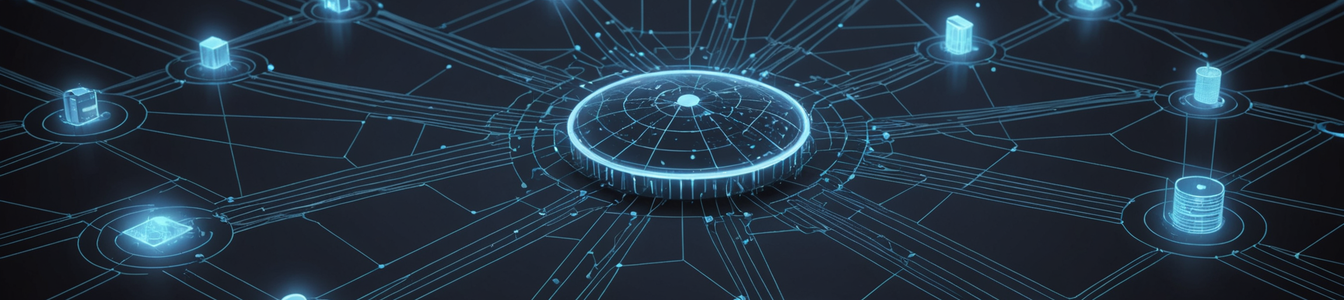
The digitalization of critical national infrastructure—the systems that deliver water, power, and essential services—is accelerating at a breakneck pace. Driven by goals of efficiency, sustainability, and resilience, this transformation is recasting physical infrastructure as a dense network of intelligent sensors. However, this shift toward "Infrastructure as a Sensor" is creating profound and often underestimated cybersecurity blind spots, exposing the backbone of society to novel and systemic risks. Recent major initiatives in Spain and Canada serve as stark case studies in both the promise and the peril of this new era.
In Spain, Vodafone is spearheading what is being termed the nation's largest water digitalization project. This initiative represents a vendor-led, large-scale integration of Internet of Things (IoT) technology into the management of water utilities. Thousands of sensors and connected devices are being deployed to monitor flow, pressure, quality, and consumption in real-time. The objective is clear: optimize resource use, predict maintenance needs, and reduce environmental impact through data-driven decisions. Yet, this massive injection of IT-centric connectivity into traditionally isolated Operational Technology (OT) environments—the industrial control systems that physically manage the water—dramatically expands the attack surface. Each sensor becomes a potential entry point; each data transmission a possible vector for compromise.
Parallel developments are unfolding across the Atlantic. Canada's provincial and territorial leaders have announced a first-of-its-kind pact to create a nationally connected electricity grid system. This agreement aims to enhance grid reliability, integrate renewable energy sources, and foster inter-regional energy sharing. The technological foundation will inevitably be a vast sensor network and data-sharing platform, turning the entire national electricity infrastructure into a single, interconnected digital organism. While the economic and environmental logic is compelling, the cybersecurity implications are monumental. A connected grid means that a breach in one province's system could potentially cascade across the country, threatening the stability of the national power supply.
The Convergence Quagmire: OT Meets IT
The core technical challenge lies in the forced convergence of OT and IT. OT systems—Supervisory Control and Data Acquisition (SCADA) systems, programmable logic controllers (PLCs)—were designed for reliability and safety in isolated environments, not for connectivity and the constant threat of cyber intrusion. Their security is often weak, with outdated operating systems, hard-coded passwords, and protocols that lack basic encryption. Integrating these systems with enterprise IT networks and cloud-based analytics platforms, as these digitalization projects require, bridges the air gap that once provided a fundamental layer of protection. Attackers no longer need physical access; they can pivot from a corporate email phishing campaign to the controls of a water treatment plant or an electricity substation.
The Vendor-Led Transformation Blind Spot
A critical risk factor is the vendor-led nature of these transformations. In the Spanish example, a major telecommunications provider is driving the architecture. In Canada, the push for connectivity will involve a ecosystem of technology vendors, software providers, and integrators. This reliance on third parties creates a complex supply chain security problem. The cybersecurity posture of the entire infrastructure becomes dependent on the security practices of multiple external entities. Furthermore, vendor solutions often prioritize functionality and interoperability over robust, security-by-design principles for OT environments. The proprietary nature of some systems can also obscure visibility, creating blind spots for the asset owners themselves.
Scale and National Security Implications
The sheer scale of these projects is what elevates the risk from an operational issue to a national security concern. We are no longer talking about securing a single factory or plant. We are discussing the holistic digitalization of sectors that underpin public health, economic stability, and national sovereignty. A coordinated attack on a sensor-saturated water grid could manipulate data to hide contamination or orchestrate simultaneous pump failures. An attack on a connected electricity grid could lead to widespread, prolonged blackouts. The "Infrastructure as a Sensor" model, while enabling smarter management, also provides adversaries with a detailed, real-time map of a nation's critical weaknesses and the digital levers to exploit them.
The Path Forward for Cybersecurity
For the cybersecurity community, this trend demands an urgent evolution in strategy and practice. The old paradigms are insufficient. Security must be baked into the procurement and design phases of these mega-projects, not bolted on as an afterthought. This requires:
- New Security Frameworks: Developing and mandating OT-specific security frameworks that address the longevity, safety-critical nature, and unique protocols of industrial systems, going beyond traditional IT compliance checklists like NIST or ISO 27001.
- Zero-Trust for OT: Implementing Zero-Trust architectures adapted for OT environments, where no device or user is inherently trusted, and continuous verification is required, even within the industrial network.
- Enhanced Visibility and Asset Management: Deploying specialized security tools that can discover, classify, and monitor every IoT device and OT asset in real-time, understanding their normal behavior to detect anomalies.
- Clear Public-Private Accountability: Establishing unambiguous regulatory and contractual frameworks that define cybersecurity roles, responsibilities, and liability between public utilities, government bodies, and private technology vendors.
The digitalization of our water and energy grids is inevitable and, from an efficiency and sustainability perspective, desirable. However, the cybersecurity community must lead a crucial dialogue: the race to connect must be matched by a more determined race to protect. Building smart infrastructure is meaningless if it is not fundamentally secure and resilient. The projects in Spain and Canada are not isolated events; they are the harbingers of a global shift. The time to address the blind spots is now, before the infrastructure we depend on becomes the sensor that guides an attacker's hand.
Comentarios 0
Comentando como:
¡Únete a la conversación!
Sé el primero en compartir tu opinión sobre este artículo.
¡Inicia la conversación!
Sé el primero en comentar este artículo.