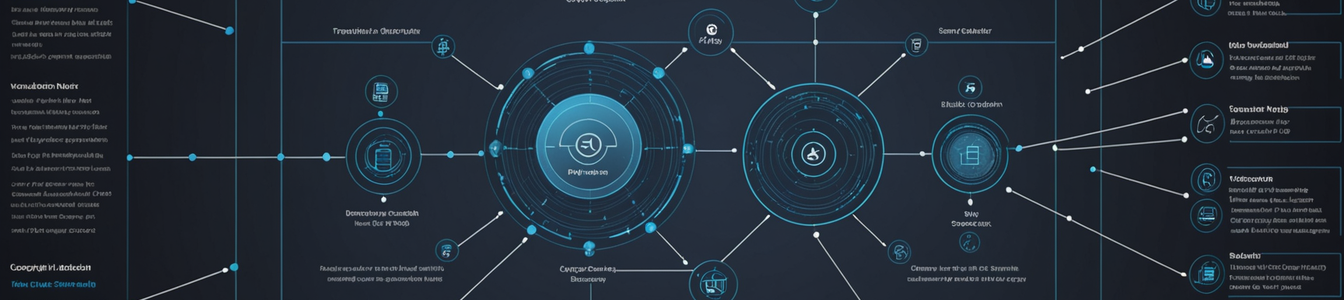
The landscape of cryptocurrency platforms is undergoing a profound transformation. The initial allure of high Annual Percentage Yields (APY) is no longer sufficient to attract sophisticated users or institutional capital. In 2026, the defining metric for platform success is shifting decisively toward demonstrable security and operational integrity. For cybersecurity professionals, this evolution demands a new, rigorous framework to assess the true safety of exchanges, payment processors, and financial platforms built on digital assets.
The Pillars of Modern Crypto Platform Security
Evaluating a platform's integrity requires moving beyond the superficial 'SAFU' (Secure Asset Fund for Users) slogan to inspect its foundational architecture. The first pillar is Custody and Asset Protection. Leading platforms now transparently disclose their hot-to-cold wallet asset ratios, with a clear bias toward cold storage—offline wallets inaccessible via the internet. The most advanced employ Multi-Party Computation (MPC) custody, which distributes private key fragments among multiple parties, eliminating single points of failure. For platforms offering interest-earning products, the specific underlying mechanisms (staking, decentralized finance lending, institutional lending) must be audited and their risk profiles clearly communicated.
The second pillar is Operational Transparency and Verifiability. Proof-of-Reserves (PoR) audits, using Merkle tree structures to allow users to cryptographically verify their holdings are backed 1:1 without compromising privacy, have moved from a 'nice-to-have' to a baseline requirement. Regular penetration tests and smart contract audits by reputable third-party firms like Trail of Bits, OpenZeppelin, or Quantstamp are non-negotiable. Furthermore, the security of fiat on-ramps and off-ramps—often the most targeted attack vector—must be scrutinized, including compliance with PCI DSS for payment processing.
The third pillar is Institutional-Grade Risk Management. This encompasses everything from robust Know Your Customer (KYC) and Anti-Money Laundering (AML) procedures that deter illicit activity, to sophisticated transaction monitoring systems that can detect and freeze suspicious movements in real-time. It also includes clear protocols for incident response, insurance coverage for digital assets (both in hot wallets and cold storage), and a governance model that prioritizes security over unchecked growth.
Security as a Core Feature in Emerging Use Cases
This security-first mindset is permeating beyond traditional exchanges. Payment gateways like NexaPay, which facilitate crypto transactions for merchants, are now marketing their security infrastructure—such as non-custodial settlement and fraud detection algorithms—as a primary competitive advantage. Their legitimacy is assessed not just on fees, but on their ability to securely handle settlement and protect merchant funds from volatility and theft.
Perhaps more telling is the adoption in traditional sectors. The case of a Dallas-based homebuilder introducing a crypto-powered incentive program illustrates this shift. For such a mainstream business to integrate digital assets, the underlying platform's security, regulatory compliance, and user-friendliness must be enterprise-grade. The risk assessment extends to ensuring the seamless and secure transfer of value, potentially representing a significant real-world asset like a home down payment. This mainstreaming forces a convergence of traditional financial cybersecurity standards with the novel challenges of blockchain technology.
Implications for the Cybersecurity Community
For cybersecurity practitioners, this trend presents both a challenge and an opportunity. The challenge lies in developing expertise that spans traditional infosec, blockchain forensics, smart contract security, and financial regulatory frameworks. Auditing a crypto platform is no longer just about network penetration testing; it involves reviewing smart contract code, validating PoR mechanisms, and assessing key management procedures.
The opportunity is significant. As platforms compete on security, demand for professionals who can design, audit, and certify these complex systems will soar. The role of the CISO in a crypto-native company is expanding to cover technical, financial, and reputational risk in a transparent, real-time environment. Furthermore, the tools and frameworks developed for this sector—such as advanced transaction monitoring and decentralized identity verification—are likely to influence broader cybersecurity practices.
Conclusion: The New Benchmark
The era of trusting crypto platforms based on brand recognition or attractive yields is over. The benchmark for 2026 and beyond is a transparent, auditable, and technically sound security posture. Platforms that treat security as a core product feature, not a cost center, will be the ones to attract and retain institutional capital and savvy retail users. For the cybersecurity industry, mastering the evaluation of these multi-faceted systems is becoming an essential discipline, marking the full arrival of digital asset platforms into the realm of serious financial infrastructure.
Comentarios 0
Comentando como:
¡Únete a la conversación!
Sé el primero en compartir tu opinión sobre este artículo.
¡Inicia la conversación!
Sé el primero en comentar este artículo.