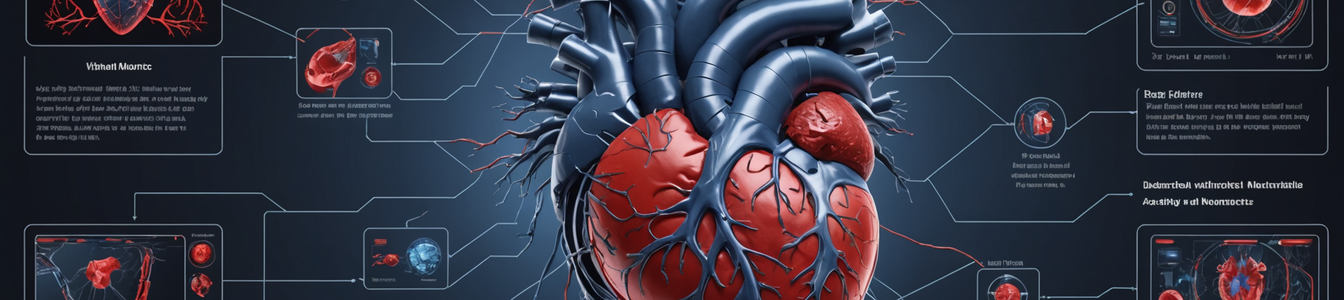
For decades, the primary narrative around cyber attacks centered on data: stealing it, holding it for ransom, or destroying it. The stakes were financial and reputational. Today, that narrative is dangerously outdated. A profound and unsettling evolution is underway, moving the battlefield from the digital realm to the physical world, where the ultimate target is no longer just information, but human safety and life itself. Cybersecurity leaders are sounding the alarm that attacks on critical infrastructure and cyber-physical systems have graduated from theoretical risk to clear and present danger.
This shift was starkly highlighted in recent warnings from Deloitte's cybersecurity leadership. They emphasize that threat actors are increasingly targeting the operational technology (OT) and industrial control systems (ICS) that manage everything from hospital ventilators and water treatment plants to electrical substations and manufacturing robots. Unlike traditional IT systems where confidentiality is paramount, attacks on OT/ICS prioritize disruption and destruction, aiming to compromise the integrity and availability of physical processes. A manipulated sensor reading in a power plant or a malicious command sent to a drug infusion pump can have immediate, irreversible consequences.
The healthcare sector stands as a chilling example. A ransomware attack that encrypts patient records is devastating, but an attack that disables critical care monitoring systems or alters dosages in smart medical devices crosses a moral and ethical threshold, transforming a cyber incident into a potential mass casualty event. Similarly, attacks on energy grids, as seen in Ukraine and tested in exercises across the West, threaten not just economic disruption but also public safety through loss of heating, cooling, and essential services.
The tangible economic and operational fallout of this new threat landscape is no longer speculative. Recent events, such as the production halt at a major Jaguar Land Rover (JLR) plant in the United Kingdom, provide a concrete case study. While not always publicly attributed to a direct cyber attack, the plant's stoppage was caused by a critical supply chain disruption. In today's interconnected industrial ecosystem, such disruptions are frequently the result of cyber attacks on suppliers—whether through ransomware locking their systems, data-wiping malware destroying production data, or targeted attacks on logistics and inventory management platforms. The result is the same: physical production lines grind to a halt, workers are idled, and economic losses mount rapidly, demonstrating how a digital attack in one part of the chain creates a physical crisis in another.
This convergence of IT and OT, while driving efficiency, has dramatically expanded the attack surface. Legacy industrial systems, often designed for reliability and longevity in isolated environments, are now connected to corporate networks and the internet for remote monitoring and data analytics. These systems frequently lack basic security controls, are impossible to patch without causing downtime, and are managed by personnel trained in engineering, not cybersecurity. Adversaries, ranging from state-sponsored advanced persistent threats (APTs) to financially motivated ransomware gangs, have recognized this vulnerability goldmine.
The implications for cybersecurity professionals are profound. Defense strategies must evolve beyond protecting data centers and endpoints. The focus must expand to ensure the resilience and safety of cyber-physical systems. This requires:
- Enhanced OT/ICS Security Posture: Implementing network segmentation (true air-gapping where possible), specialized intrusion detection systems for industrial protocols, and robust asset management to know what needs protecting.
- Supply Chain Cyber Risk Management: Proactively assessing and monitoring the cybersecurity resilience of key suppliers and logistics partners, moving beyond contractual clauses to active audits and shared threat intelligence.
- Cross-Disciplinary Collaboration: Fostering deep collaboration between IT security teams, OT engineers, risk managers, and physical security personnel. They must develop shared incident response plans that account for life-safety procedures.
- Regulatory and Executive Focus: Elevating the discussion to boardrooms and regulatory bodies. Frameworks like the NIST Cybersecurity Framework and sector-specific guidelines (e.g., from CISA in the US, ENISA in the EU) need to be mandated and enforced with a focus on operational resilience.
The era where cyber risk was synonymous with financial loss is over. We have entered a phase where a line of malicious code can have the same impact as a physical weapon. The cybersecurity community's mission has expanded: it is no longer just about safeguarding data, but about protecting society's fundamental pillars and, ultimately, human lives. The time for proactive, resilient defense of our critical systems is now.
Comentarios 0
Comentando como:
¡Únete a la conversación!
Sé el primero en compartir tu opinión sobre este artículo.
¡Inicia la conversación!
Sé el primero en comentar este artículo.