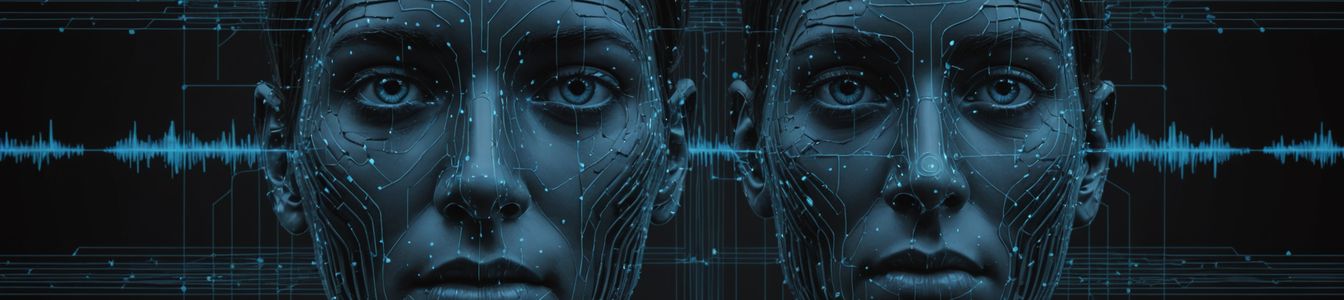
The financial fraud landscape is undergoing a dangerous transformation as cybercriminals weaponize generative AI to create highly convincing deepfake endorsements from trusted public figures. Recent campaigns have targeted investors globally with fabricated videos featuring government officials and Hollywood celebrities promoting fraudulent investment schemes, marking a significant escalation in AI-powered social engineering attacks.
The Indian Finance Minister Deepfake Incident
In a particularly alarming case, India's Press Information Bureau (PIB) issued an official warning about a sophisticated deepfake video circulating on social media platforms. The manipulated footage falsely depicted the country's Finance Minister endorsing a fraudulent investment scheme. The AI-generated content was convincing enough to bypass initial scrutiny, featuring realistic lip-syncing, appropriate gestures, and voice modulation that closely mimicked the official's speaking patterns.
The video directed viewers to fraudulent websites promising unrealistic returns on investments in cryptocurrency and other high-yield schemes. Cybersecurity analysts examining the campaign noted the technical sophistication involved, including high-resolution video generation, accurate lighting and shadow effects, and seamless audio integration—all hallmarks of advanced generative adversarial networks (GANs) and diffusion models now accessible through both commercial and open-source platforms.
Celebrity Exploitation in Western Markets
Parallel to government official impersonation, Hollywood celebrities have become prime targets for these AI manipulation campaigns. Recent investigations have uncovered fabricated narratives involving A-list actors like Margot Robbie being used to create false investment endorsements. While the specific content of these deepfakes varies, the pattern remains consistent: celebrities are shown "personally recommending" investment platforms or cryptocurrencies they have no actual association with.
These celebrity deepfakes often appear on compromised social media accounts, sponsored content, or fake news websites designed to mimic legitimate financial publications. The psychological impact is significant, as public figures carry substantial influence over consumer behavior, particularly among demographics less familiar with digital manipulation techniques.
Technical Analysis of the Threat
The underlying technology enabling these scams has evolved rapidly. Current deepfake generation tools can produce convincing content with minimal training data—sometimes just a few minutes of publicly available video footage. The process typically involves:
- Voice cloning using text-to-speech systems trained on public speeches or interviews
- Facial reenactment that maps the target's expressions onto an actor or generated face
- Environmental consistency ensuring lighting, background, and camera movements appear authentic
- Temporal coherence maintaining consistency across frames to avoid the "uncanny valley" effect
What makes these financial deepfakes particularly dangerous is their combination with traditional phishing techniques. Victims are often directed to professional-looking websites that include fake testimonials, fabricated regulatory approvals, and sophisticated dashboards showing "growing investments" that don't exist.
Cybersecurity Implications and Defense Strategies
This evolution in fraud methodology presents multiple challenges for cybersecurity professionals:
Detection Difficulties: Traditional fraud detection systems focus on behavioral patterns and transaction anomalies but aren't equipped to analyze media authenticity. Deepfake detection requires specialized tools analyzing micro-expressions, eye blinking patterns, audio spectrograms, and digital artifacts invisible to human viewers.
Regulatory Gaps: Current financial regulations and advertising standards weren't designed for AI-generated endorsements. There's urgent need for clear labeling requirements for synthetic media and legal frameworks establishing liability for deepfake creation and distribution.
Platform Responsibility: Social media companies and content hosting services face increasing pressure to implement real-time deepfake detection. Some platforms have begun developing AI classifiers trained to identify synthetic media, but the arms race between generation and detection capabilities continues.
Enterprise Vulnerabilities: Beyond consumer fraud, security teams must prepare for business email compromise (BEC) attacks using deepfake audio of executives authorizing fraudulent transactions. Financial institutions need updated verification protocols for high-value transactions.
Recommended Mitigation Approaches
- Multi-Factor Media Verification: Organizations should implement protocols requiring independent confirmation through established channels before acting on any investment recommendation presented via video.
- Public Awareness Campaigns: Financial regulators and cybersecurity agencies must educate the public about deepfake risks, emphasizing that no legitimate investment opportunity relies solely on celebrity video endorsements.
- Technical Countermeasures: Investment in deepfake detection APIs and browser extensions that warn users about potentially manipulated content.
- Blockchain Verification: Some organizations are exploring cryptographic verification methods where official content receives a digital signature verifiable by viewers.
- Industry Collaboration: Financial institutions, technology companies, and law enforcement need information-sharing frameworks to identify emerging deepfake campaigns quickly.
The Road Ahead
As generative AI tools become more accessible and convincing, the frequency and sophistication of deepfake financial scams will likely increase. The cybersecurity community faces a dual challenge: developing technical solutions while also addressing the human factors that make these scams effective.
The recent incidents involving government officials and celebrities serve as critical warning signals. They demonstrate that no public figure is immune to digital impersonation and that traditional trust indicators—seeing and hearing someone make a recommendation—are no longer reliable in the AI era.
Financial institutions must update their fraud prevention strategies to include media forensics capabilities. Meanwhile, regulatory bodies need to establish clear guidelines about synthetic media in financial promotions. The window for proactive response is closing as these technologies continue to democratize, making what was once nation-state capability available to criminal groups and individual fraudsters.
The convergence of AI manipulation and financial fraud represents one of the most significant emerging threats in cybersecurity. Addressing it will require unprecedented collaboration between technologists, financial experts, policymakers, and educators to protect both economic systems and public trust in the digital age.
Comentarios 0
Comentando como:
¡Únete a la conversación!
Sé el primero en compartir tu opinión sobre este artículo.
¡Inicia la conversación!
Sé el primero en comentar este artículo.