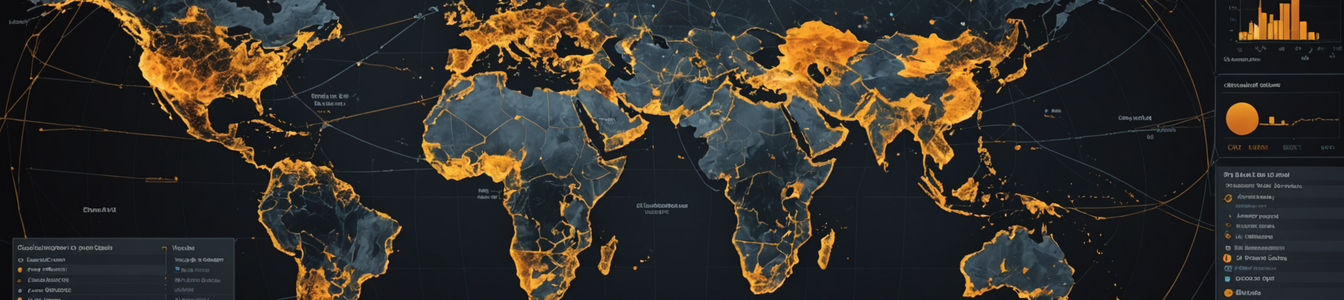
The global expansion of digital border security infrastructure is creating complex cybersecurity challenges that intersect with immigration policy and international law. Recent judicial decisions blocking deportations and political responses to criminal incidents involving migrants have highlighted the urgent need for robust cybersecurity frameworks in immigration systems.
Digital border security systems now incorporate advanced technologies including biometric data collection, artificial intelligence risk assessment algorithms, and interconnected databases spanning multiple jurisdictions. These systems process enormous volumes of sensitive personal information, creating attractive targets for cybercriminals and state-sponsored threat actors. The integrity of immigration vetting processes depends entirely on the security of these digital systems.
Cybersecurity professionals face unique challenges in securing border infrastructure. Systems must maintain continuous availability for legitimate immigration processing while preventing unauthorized access. The cross-border nature of these systems introduces jurisdictional complexities and varying data protection standards. Immigration databases often integrate with law enforcement and intelligence systems, creating additional attack surfaces and potential single points of failure.
The recent incident involving a Cuban national accused of murdering an Indian-origin motel manager in Dallas has intensified political debates about immigration vetting procedures. This case underscores how cybersecurity failures in immigration systems could have real-world consequences. Inadequate security controls could allow individuals with malicious intent to exploit vulnerabilities in digital vetting systems.
Simultaneously, judicial interventions in deportation cases demonstrate the legal complexities surrounding digital immigration records. Cybersecurity incidents that compromise the integrity of immigration data could undermine judicial processes and individual rights. Data accuracy and system reliability are becoming critical components of due process in immigration proceedings.
Technical challenges include securing biometric data storage, ensuring secure data transmission across international networks, and maintaining audit trails for compliance purposes. Many countries are implementing facial recognition systems, digital identity verification, and automated risk scoring algorithms that require sophisticated cybersecurity measures. These systems must be resilient against attacks while maintaining privacy protections required by various international regulations.
The integration of AI and machine learning in immigration decision-making introduces additional cybersecurity considerations. Adversarial attacks could manipulate algorithm outputs, while data poisoning could undermine the accuracy of risk assessments. Cybersecurity teams must implement robust validation mechanisms and continuous monitoring of AI systems used in border security.
Supply chain security presents another significant challenge. Many border security systems incorporate components from multiple international vendors, creating potential vulnerabilities in the technology stack. Nation-state actors may target supply chains to compromise border security infrastructure for intelligence gathering or other purposes.
Incident response planning must account for the critical nature of border security systems. Downtime or compromise of these systems could disrupt legitimate travel and immigration processes while creating security vulnerabilities. Cybersecurity teams need to develop specialized response plans that address the unique requirements of border infrastructure.
The international nature of immigration systems requires coordinated cybersecurity efforts across multiple countries. Information sharing about threats and vulnerabilities must balance security needs with data protection requirements. Standardization of security protocols across different jurisdictions remains a significant challenge for cybersecurity professionals working in this space.
As digital border security continues to evolve, cybersecurity must be integrated into system design from the beginning rather than added as an afterthought. The stakes are simply too high to accept inadequate security in systems that control border access and process sensitive immigration data.
Comentarios 0
Comentando como:
¡Únete a la conversación!
Sé el primero en compartir tu opinión sobre este artículo.
¡Inicia la conversación!
Sé el primero en comentar este artículo.