The smart home revolution has reached an inflection point. Frustrated by incompatible ecosystems, subscription fatigue, and overly complex automation, a growing segment of consumers and tech enthusiasts are abandoning mainstream platforms in favor of DIY solutions. While this movement addresses genuine usability concerns, cybersecurity experts warn it's creating a shadow infrastructure of unmanaged, non-standardized attack surfaces that traditional security models are ill-equipped to handle.
The Complexity Backlash and DIY Exodus
The problem begins with what many users describe as "automation overload." Mainstream smart home guides often recommend elaborate setups involving dozens of devices across multiple proprietary ecosystems—Google Home, Amazon Alexa, Apple HomeKit, Samsung SmartThings—each with their own apps, protocols, and limitations. This fragmentation creates what security professionals call "protocol sprawl," where Zigbee, Z-Wave, Wi-Fi, Bluetooth, Thread, and Matter devices coexist in unpredictable configurations.
Consumers are responding by seeking simpler, more focused automations. The most valuable implementations aren't the flashy "everything automated" scenarios, but practical solutions: lights that turn off automatically when leaving home, HVAC systems that optimize for both comfort and energy efficiency, and environmental controls that manage allergens by coordinating air purifiers, humidifiers, and window sensors. These focused use cases deliver tangible benefits without overwhelming complexity.
The Security Void in DIY Ecosystems
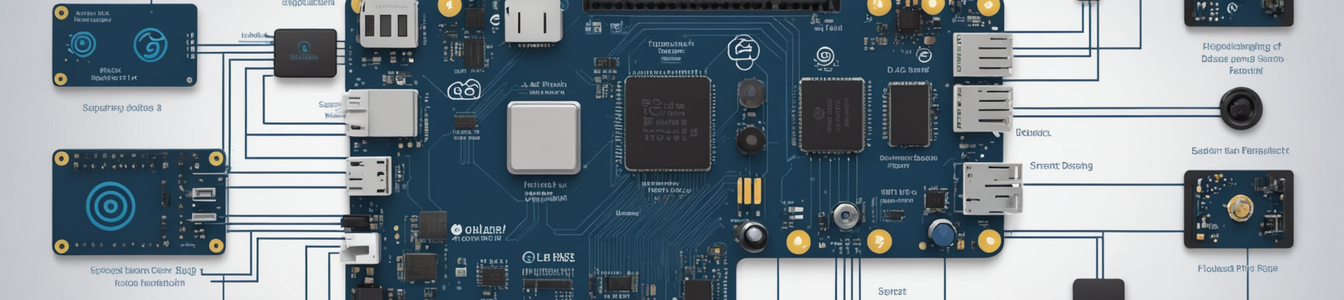
Here lies the security dilemma. As users migrate to platforms like Home Assistant, OpenHAB, or Node-RED, they gain flexibility but lose the (however imperfect) security umbrella of corporate-managed ecosystems. These DIY platforms often run on always-on single-board computers like Raspberry Pis, directly exposed to home networks that increasingly include remote work infrastructure.
"We're seeing technically proficient users creating systems with enterprise-level network access but consumer-grade security practices," explains Maria Chen, security researcher at IoT Defense Labs. "They'll meticulously script complex automations for energy savings or allergy management—like coordinating smart vents with air quality sensors—while using default credentials, failing to segment networks, or exposing administrative interfaces to the internet without VPN protection."
The security risks multiply with eco-friendly upgrades. Smart thermostats, irrigation controllers, and energy monitors—while excellent for sustainability—often connect to both utility APIs and local automation platforms, creating potential bridge points between operational technology and home networks. A compromised smart irrigation controller could serve as a pivot point to attack more sensitive devices.
The Unmanaged Attack Surface
Traditional home cybersecurity tools struggle with this new reality. Corporate security teams can't monitor devices they don't know exist, and consumer antivirus software isn't designed for custom automation servers communicating with dozens of IoT endpoints. The attack surface includes not just the DIY hub itself, but all connected devices it controls—lights, locks, cameras, and sensors that might otherwise have limited external connectivity.
Worse still, these systems often incorporate devices from obscure manufacturers or older equipment with known vulnerabilities, integrated through community-developed plugins of varying quality. A single vulnerable component in a custom automation chain—say, a poorly secured smart plug controlling a space heater—could provide initial access to the entire smart home network.
Practical Use Cases, Hidden Dangers
The most concerning aspect is that these vulnerable setups often serve entirely legitimate, even commendable purposes. Consider the allergy management system: smart air purifiers, humidity sensors, and window contacts working together to maintain indoor air quality. Or the energy-saving setup: smart blinds, thermostats, and plugs coordinating to reduce consumption. These systems work beautifully—until their security shortcomings are exploited.
Healthcare applications present particular concerns. Systems that monitor environmental conditions for asthma or allergy sufferers increasingly integrate with health data, creating potential privacy violations if compromised. The DIY approach, while avoiding corporate data harvesting, may lack proper encryption for sensitive information.
Recommendations for Security Professionals
For cybersecurity teams, this trend requires new approaches:
- Remote Work Security Policies Must Evolve: Employee home networks are no longer simple. Security assessments should include questions about DIY smart home setups that might bridge to work devices.
- Network Segmentation Guidance: Provide employees with clear guidelines for isolating IoT devices, especially custom automation systems, from work-related network segments.
- Security Awareness for Tech Enthusiasts: Develop educational materials that address the specific risks of DIY smart home platforms, going beyond basic password advice to cover network architecture and update management.
- Vendor Security Assessments Should Include Integration Risks: When evaluating IoT vendors, consider not just their direct security, but how their devices might be integrated into unmanaged automation systems.
The Path Forward
The solution isn't to discourage innovation or practical automation. Instead, the security community must engage with the DIY smart home movement. Platform developers need to prioritize security-by-default configurations, while security researchers should develop assessment tools tailored to these environments.
Open-source automation platforms represent both a challenge and opportunity. Their transparency allows for security review, but their flexibility permits dangerous configurations. As the backlash against smart home complexity grows, so too must our security approaches evolve to protect these increasingly sophisticated—and vulnerable—home networks.
The smart home revolution has entered its rebellious teenage phase: technically capable, experimenting boldly, and occasionally reckless about security. It's time for cybersecurity professionals to provide the guidance this movement needs before widespread exploitation turns practical innovation into systemic risk.
Comentarios 0
Comentando como:
¡Únete a la conversación!
Sé el primero en compartir tu opinión sobre este artículo.
¡Inicia la conversación!
Sé el primero en comentar este artículo.