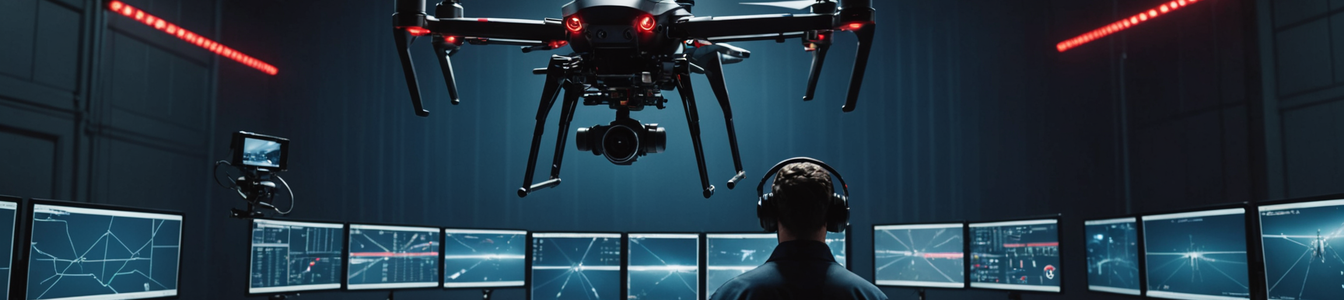
The entertainment industry is grappling with a sophisticated new security threat landscape as unauthorized drone operations and technical system failures compromise highly anticipated content releases. Recent high-profile incidents involving major film productions and television shows have exposed critical vulnerabilities in traditional security protocols, raising urgent concerns about intellectual property protection in the digital age.
In a significant security breach during the much-anticipated 'Global Trotter' event in Hyderabad, acclaimed director SS Rajamouli's upcoming project 'Varanasi' starring Mahesh Babu suffered multiple security failures. The event, designed as a grand global reveal, was compromised when unauthorized drone operators captured and leaked the film's teaser footage before its official release. Rajamouli expressed profound disappointment, stating that 'one year of hard work was leaked by one drone,' highlighting the devastating impact of such security lapses on creative endeavors.
The incident involved multiple security failures. Beyond the drone intrusion, technical glitches during the event's presentation further undermined the carefully orchestrated reveal. The combination of external aerial surveillance and internal technical failures created a perfect storm of security vulnerabilities, leaving the production team scrambling to contain the damage.
Simultaneously, across the globe, BBC's flagship dance competition 'Strictly Come Dancing' faced similar security challenges. Despite implementing what producers described as 'strict security measures,' including confidential filming sessions and comprehensive non-disclosure agreements, the show's dance-off results leaked online during secret filming. This breach demonstrates that even well-established security protocols in the television industry are vulnerable to modern infiltration methods.
These incidents represent a growing trend in entertainment industry security breaches. Drones, once considered primarily military or hobbyist tools, have become sophisticated instruments of corporate espionage and unauthorized content acquisition. Their ability to bypass traditional ground-level security measures makes them particularly dangerous for outdoor events and open-air productions.
The technical aspect of these breaches reveals multiple layers of vulnerability. Drone operators can capture high-quality video and audio from significant distances, often operating outside designated security perimeters. The footage can be instantly transmitted to remote locations and distributed globally through digital channels before security teams can respond.
Industry experts note that the entertainment sector's security infrastructure has failed to keep pace with evolving technological threats. Traditional security measures designed to prevent ground-level intrusions and digital hacking are insufficient against aerial surveillance and real-time content distribution capabilities.
The financial implications are substantial. Major film productions represent investments of tens or hundreds of millions of dollars, with carefully orchestrated marketing campaigns designed to maximize box office returns. Premature leaks can significantly impact audience anticipation, reduce marketing effectiveness, and ultimately diminish financial returns.
From a cybersecurity perspective, these incidents highlight the need for comprehensive counter-drone technology integration into entertainment security protocols. Solutions may include radio frequency jammers, GPS spoofing technology, and automated detection systems capable of identifying and neutralizing unauthorized aerial surveillance.
Additionally, the technical failures experienced during the 'Varanasi' event underscore the importance of redundant systems and thorough technical rehearsals for high-stakes reveals. As entertainment events become increasingly dependent on complex technical infrastructure, the potential for system failures creating security vulnerabilities grows proportionally.
The entertainment industry must now confront the reality that security is no longer just about protecting digital assets from hackers or preventing physical intrusions at studio lots. It requires a holistic approach that addresses aerial surveillance, technical system reliability, and rapid response capabilities for containment when breaches occur.
Looking forward, production companies and studios will need to invest in specialized security personnel trained in counter-drone operations, develop comprehensive technical contingency plans, and implement multi-layered security protocols that address both digital and physical threats. The integration of artificial intelligence and machine learning systems for threat detection may become essential components of future entertainment security infrastructure.
As the lines between physical and digital security continue to blur, the entertainment industry's ability to adapt to these emerging threats will determine not only the success of individual productions but the long-term viability of traditional content release models in an increasingly connected world.
Comentarios 0
Comentando como:
¡Únete a la conversación!
Sé el primero en compartir tu opinión sobre este artículo.
¡Inicia la conversación!
Sé el primero en comentar este artículo.