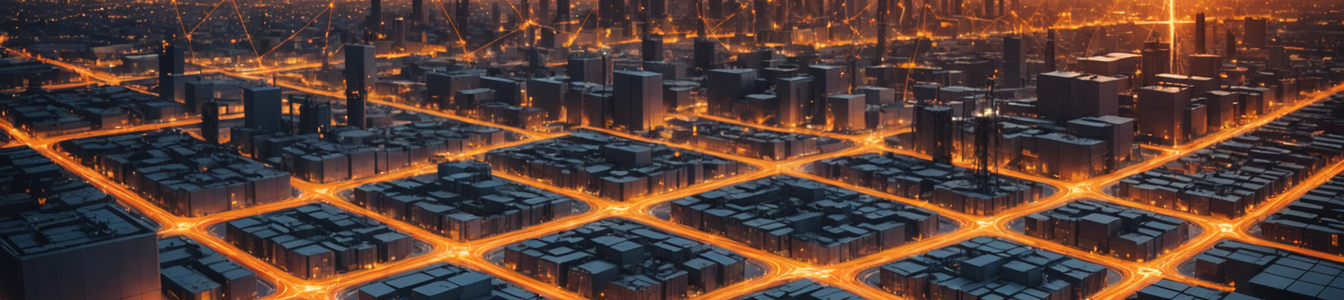
The ground trembles, buildings sway, and the immediate human concern is understandably physical safety. However, for cybersecurity and critical infrastructure operators, a new wave of anxiety follows the seismic one: the integrity of the digital systems upon which modern society depends. Recent earthquakes, including a 5.1 magnitude event in Assam, India, and a series of tremors across eastern and western Nepal, have reignited urgent discussions within security circles. While these particular incidents resulted in no major reported structural damage, they function as unwelcome but invaluable drills, exposing the fragile digital fault lines running beneath our critical infrastructure.
The core vulnerability lies in the profound interdependence of physical and digital systems. A power substation may withstand ground shaking, but the Supervisory Control and Data Acquisition (SCADA) system controlling it could fail due to disrupted network links, corrupted data from jolted sensors, or the failure of an uninterruptible power supply (UPS) unit that wasn't designed for sustained operation during a crisis. This creates a cascading failure scenario: the earthquake disrupts physical assets, which triggers failures in the digital control layer, which in turn prevents the restoration of physical services, deepening the initial crisis. Telecommunications networks, essential for emergency coordination, face similar threats. Data centers and cellular tower backhaul connections, often concentrated in seismically risky zones for geographic or economic reasons, become single points of failure.
From a cybersecurity perspective, these events highlight several critical gaps. First, disaster recovery and business continuity plans often silo 'physical' and 'cyber' incidents. A plan for a ransomware attack on a grid operator may not account for the simultaneous loss of primary and backup power at a key data processing facility caused by a quake. Second, the resilience of industrial control systems (ICS) and Internet of Things (IoT) sensors in extreme physical conditions is frequently an afterthought. Can an edge computing device at a remote pipeline monitor remain secure and operational if its housing is compromised or its power source fails for 72 hours?
Third, and perhaps most insidiously, natural disasters create a prime environment for cyber-enabled hybrid attacks. Adversaries, whether state-sponsored or criminal, may use the chaos and diverted attention following a major seismic event to launch targeted attacks on weakened digital infrastructure. A distributed denial-of-service (DDoS) attack on emergency service websites during a post-quake crisis, or the deployment of ransomware on hospital networks when they are most needed, represents a nightmare scenario that combines natural and human-made threats.
The path forward requires a fundamental shift toward integrated resilience. Risk assessments for critical infrastructure must jointly model seismic hazards and cyber threat landscapes. 'Resilience-by-design' principles should mandate that digital systems have geographic redundancy outside of correlated physical risk zones—a data center in Assam should have a failover partner not in another seismically active Himalayan region, but perhaps further south. Physical hardening of digital assets, such as seismically rated server racks and secured backup generator fuel lines, must become standard. Furthermore, incident response exercises must evolve to include combined physical-digital scenarios, ensuring that crisis management teams can operate when both the ground and the network are unstable.
For cybersecurity professionals, the message from Assam and Nepal is clear. Our domain is no longer confined to the virtual. The threat surface extends into the physical world, and our strategies must account for the earthquakes, floods, and storms that can act as force multipliers for digital disruption. Building systems that can withstand both seismic shocks and cyber attacks is not just an engineering challenge; it is a imperative for societal security in the 21st century.
Comentarios 0
Comentando como:
¡Únete a la conversación!
Sé el primero en compartir tu opinión sobre este artículo.
¡Inicia la conversación!
Sé el primero en comentar este artículo.