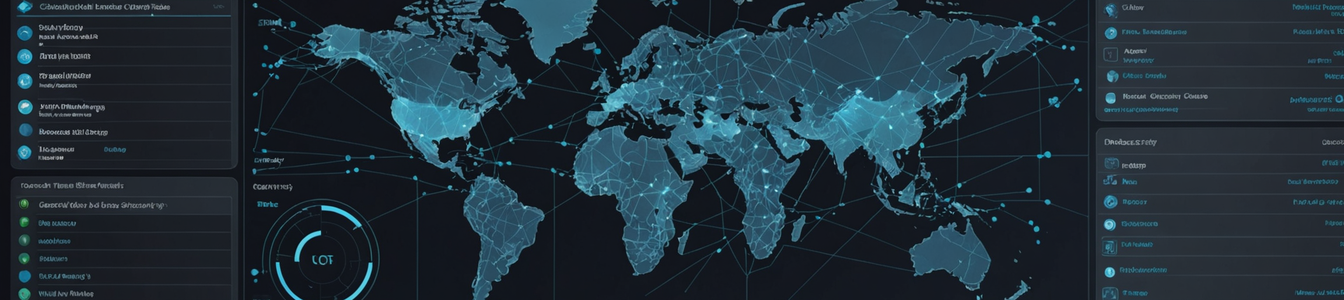
A distant geopolitical crisis is no longer just a headline for the boardroom; it has become a direct and acute operational threat to cybersecurity teams worldwide. The ongoing conflict in West Asia, triggering volatile energy markets and broader economic uncertainty, is creating a cascade of secondary effects that are overwhelming Security Operations Centers (SOCs) and forcing dangerous compromises in cyber defense postures.
The Macroeconomic Squeeze: From Boardroom to SOC
The primary vector of this threat is economic. As noted in recent analyses, nations like India face a potential widening of their current account deficit to approximately 2% of GDP due to rising oil prices stemming from the West Asia conflict. This macroeconomic pressure translates directly into corporate austerity. CFOs and boards, anticipating reduced revenue growth and higher operational costs, are mandating cost-cutting across all departments, including cybersecurity.
For SOC leaders, this manifests as budget freezes for critical tool renewals, delays in filling essential analyst and engineer roles, and pressure to consolidate security platforms—often before integration maturity is achieved. The "do more with less" mandate becomes a daily reality, but in cybersecurity, less often means increased risk.
The SOC Stress Test: Resource Strain and Blind Spot Creation
The core function of a SOC is continuous vigilance: monitoring, detection, investigation, and response. This function is intensely resource-dependent, requiring skilled personnel, advanced tooling, and maintained infrastructure. Under economic strain, each pillar weakens:
- Human Capital Erosion: Hiring freezes lead to analyst burnout and attrition. Overworked teams suffer from alert fatigue, increasing the likelihood of missing a critical true positive. The postponement of advanced training means teams fall behind evolving Tactics, Techniques, and Procedures (TTPs) used by adversaries who face no such budgetary constraints.
- Tooling and Coverage Gaps: License non-renewals for "non-essential" monitoring tools or threat intelligence feeds create immediate blind spots. Organizations may be forced to reduce log retention periods or limit data ingestion to control cloud costs, crippling forensic capabilities and the ability to detect low-and-slow attacks. The push for vendor consolidation can introduce configuration gaps and periods of reduced visibility during transition.
- Strategic Trade-Offs and Risk Acceptance: Leadership is forced to make explicit, high-risk decisions. This often means deprioritizing proactive security measures like threat hunting, vulnerability management for "lower-risk" assets, and security validation exercises. Patch management cycles may be extended due to limited IT staff, leaving known vulnerabilities exposed for longer. The security program shifts from a posture of resilience to one of bare-minimum compliance and incident response.
The Adversary's Opportunity: Attack in the Blind Spot
Advanced Persistent Threat (APT) groups and financially motivated cybercriminals are adept at sensing and exploiting weakness. They monitor corporate news, earnings calls, and even LinkedIn for signs of layoffs or restructuring in target IT departments. A strained, under-resourced SOC is a prime target. Attackers may increase the volume of attacks to overwhelm analysts or shift to more subtle, hard-to-detect techniques knowing that proactive hunting has been scaled back.
Furthermore, the broader economic crisis itself becomes a lure. Phishing campaigns themed around layoffs, cost-cutting directives, or fake invoices from energy suppliers see higher success rates. The human element, already the weakest link, is placed under additional stress, making social engineering even more effective.
Navigating the Storm: Strategies for Cyber Resilience
While the external economic climate is outside a CISO's control, the response is not. Strategic leadership is required to navigate this period:
- Advocate in Business Terms: CISOs must translate cyber risk into tangible business risk—operational downtime, ransomware-induced revenue loss, regulatory fines. Frame security spending not as a cost center but as insurance protecting the organization during volatile times.
- Double Down on Efficiency: This is the time for ruthless prioritization. Implement Security Orchestration, Automation, and Response (SOAR) to automate repetitive tasks and free analyst time. Use Risk-Based Vulnerability Management to focus patching efforts on critical assets only. Consolidate tools intelligently, with a focus on maximizing visibility from existing platforms.
- Focus on Core Hygiene: When resources are stretched, ensure fundamental controls are impeccable: strict patch management for critical systems, robust identity and access management (MFA everywhere), and comprehensive backups. A strong foundation can mitigate many advanced attacks.
- Leverage Managed Services: For organizations where building an internal 24/7 SOC is unsustainable, partnering with a Managed Security Service Provider (MSSP) or a Managed Detection and Response (MDR) provider can offer scalable expertise and tooling, converting a capital expenditure into a more manageable operational one.
The convergence of geopolitical instability and economic downturn is creating a unprecedented stress test for cyber defenses. The organizations that will emerge more resilient are those whose security leaders can strategically align defense with the new economic reality, protecting critical assets not despite the crisis, but with a clear-eyed strategy forged because of it.
Comentarios 0
Comentando como:
¡Únete a la conversación!
Sé el primero en compartir tu opinión sobre este artículo.
¡Inicia la conversación!
Sé el primero en comentar este artículo.