Critical Infrastructure Security Alert: Norwegian Electric Bus Fleet Faces Remote Shutdown Vulnerabilities
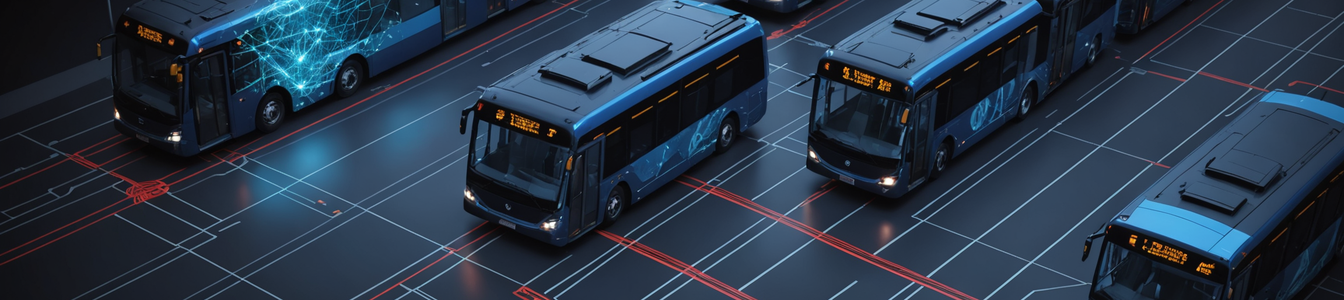
Norwegian transportation authorities have initiated emergency security protocols following the discovery of critical vulnerabilities in Chinese-manufactured electric buses that could enable remote shutdown capabilities, posing significant risks to public transportation systems and urban mobility infrastructure.
The security crisis emerged during comprehensive penetration testing conducted by Norway's leading transport security agency, which revealed that certain electric bus models manufactured by Chinese companies contain undocumented remote access features. These vulnerabilities could potentially be exploited by threat actors to disable buses during operation, creating chaos in public transit systems and compromising passenger safety.
Technical Analysis of the Vulnerabilities
Cybersecurity experts examining the issue have identified multiple attack vectors within the bus control systems. The primary concern involves unsecured communication channels between the vehicle's telematics systems and external networks. These channels, designed for remote diagnostics and fleet management, lack adequate authentication protocols and encryption standards, making them susceptible to man-in-the-middle attacks and unauthorized command injection.
The vulnerability appears to stem from the integration of commercial telematics solutions with critical vehicle control systems. Unlike traditional vehicles where operational and infotainment systems remain segregated, these electric buses feature interconnected networks that bridge entertainment, navigation, and essential vehicle functions. This architectural flaw creates a pathway for attackers to escalate privileges from non-critical to critical systems.
Immediate Response and Mitigation Measures
In response to these findings, Norwegian transport authorities have implemented a multi-layered security strategy. Immediate measures include network segmentation to isolate critical control systems from external communications, enhanced monitoring of vehicle-to-infrastructure communications, and the deployment of intrusion detection systems specifically designed for vehicular networks.
The transport company has also established a security operations center dedicated to monitoring bus fleet communications in real-time. This center employs advanced threat intelligence platforms to detect anomalous patterns in vehicle communications and can initiate immediate countermeasures if suspicious activity is identified.
Broader Implications for Critical Infrastructure Security
This incident highlights growing concerns about the cybersecurity of smart city infrastructure and Internet of Things (IoT) devices in public transportation systems. As cities worldwide transition to electric and connected vehicles, the attack surface for critical infrastructure expands exponentially. The Norwegian case serves as a cautionary tale for municipalities considering large-scale deployments of connected electric vehicles without comprehensive security assessments.
Cybersecurity professionals emphasize that the integration of third-party components from international suppliers introduces complex supply chain security challenges. The lack of transparency in component sourcing and software development practices makes comprehensive risk assessment difficult for municipal transportation authorities.
Industry and Regulatory Response
The European Union's cybersecurity agency ENISA has been notified of the vulnerabilities and is coordinating with Norwegian authorities to assess potential impacts across other EU member states. Preliminary investigations suggest similar vulnerabilities may exist in electric bus fleets operating in other European countries, though no active exploitation has been confirmed.
Transportation equipment manufacturers are facing increased scrutiny regarding their cybersecurity practices. Industry associations are developing new security standards for connected vehicles, focusing on secure software development lifecycles, supply chain transparency, and independent security validation requirements.
Recommendations for Transportation Authorities
Security experts recommend that municipalities and transport operators implement several key measures:
- Conduct comprehensive security assessments before deploying connected vehicle fleets
- Establish strict procurement requirements mandating cybersecurity certifications
- Implement continuous security monitoring for vehicle fleets
- Develop incident response plans specifically for vehicle cybersecurity incidents
- Ensure adequate network segmentation between operational and administrative systems
Future Outlook and Security Evolution
The Norwegian electric bus security incident represents a pivotal moment for critical infrastructure protection. As transportation systems become increasingly connected and automated, the cybersecurity community must develop specialized expertise in vehicular network security. This includes creating standardized security frameworks, developing specialized tools for vehicle network monitoring, and establishing international cooperation mechanisms for addressing cross-border transportation cybersecurity threats.
The incident underscores the urgent need for collaboration between automotive manufacturers, cybersecurity researchers, and government agencies to establish robust security standards that can keep pace with the rapid evolution of connected transportation technology.
Comentarios 0
Comentando como:
¡Únete a la conversación!
Sé el primero en compartir tu opinión sobre este artículo.
¡Inicia la conversación!
Sé el primero en comentar este artículo.