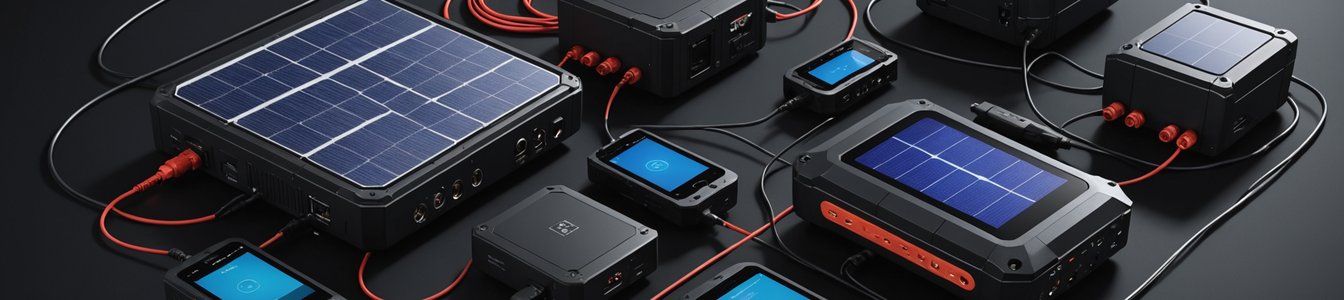
In an increasingly volatile geopolitical landscape, a new category of consumer technology is emerging at the intersection of IoT security, personal preparedness, and crisis connectivity. Marketed as essential survival gear for war zones, natural disasters, and societal collapse scenarios, these 'Emergency IoT' devices promise to keep users connected when traditional cellular and internet infrastructure fails. However, cybersecurity experts are raising alarms about the security implications of this rapidly expanding market, where consumer-grade devices are being entrusted with life-or-death communications.
The Rise of Crisis Connectivity Gadgets
The market for emergency connectivity devices has evolved significantly beyond basic satellite phones. Today's offerings include solar-powered power banks with integrated satellite messengers, encrypted mesh networking devices that create local networks independent of infrastructure, portable satellite internet terminals, and multi-band radios with digital encryption. These devices are increasingly marketed not just to adventurers and journalists in conflict zones, but to ordinary citizens concerned about geopolitical instability, natural disasters, or infrastructure failure.
Recent presentations by technology analysts, including notable commentary from James Altucher, have highlighted how geopolitical tensions in regions like the Middle East have accelerated consumer interest in personal connectivity solutions. The underlying narrative suggests that traditional communication infrastructure—vulnerable to both natural disruption and targeted attacks—cannot be relied upon during true emergencies.
Security Vulnerabilities in Life-Saving Tech
From a cybersecurity perspective, these devices present multiple concerning vulnerabilities. Many emergency IoT products are manufactured by companies with limited security pedigrees, prioritizing ruggedness and battery life over robust security architectures. Common issues include:
- Inadequate encryption implementations on devices handling sensitive location and communication data
- Supply chain risks with components sourced from multiple jurisdictions with varying security standards
- Lack of secure update mechanisms for devices that may be deployed for years without internet connectivity
- Proprietary protocols that haven't undergone independent security auditing
- Physical security shortcomings in devices that could be captured or inspected by adversaries
Perhaps most concerning is the psychological factor: users in crisis situations are likely to trust these devices implicitly, potentially transmitting sensitive information through channels they assume are secure but may be compromised.
The Satellite Security Challenge
Satellite connectivity, a cornerstone of many emergency IoT solutions, introduces unique security considerations. While satellite networks themselves are generally robust, the user terminals and interfaces present attack surfaces. Consumer satellite messengers often use simplified interfaces that may not properly convey security status or encryption levels. Additionally, the centralized nature of satellite networks creates potential single points of failure or surveillance that contradict the decentralized resilience these devices are meant to provide.
Mesh Networking: Promise and Peril
Some advanced emergency kits include mesh networking devices that create local wireless networks independent of infrastructure. While theoretically more resilient, these systems often use proprietary implementations of protocols like BATMAN or OLSR that haven't received the security scrutiny of standardized implementations. The ad-hoc nature of mesh networks also creates challenges for key management and trust establishment in emergency scenarios where users may need to connect with strangers.
Regulatory and Ethical Considerations
The emergency IoT market operates in a regulatory gray area. Devices that provide encrypted communications may run afoul of export controls or local regulations in some jurisdictions. Furthermore, there are ethical questions about the privatization of crisis communications infrastructure and whether reliance on consumer-grade solutions might undermine investments in robust public safety networks.
Recommendations for Security Professionals
For cybersecurity teams, several actions are warranted:
- Risk Assessment: Organizations with personnel in high-risk areas should conduct thorough security evaluations of any emergency connectivity devices before deployment.
- Policy Development: Create clear policies regarding the use of personal emergency IoT devices for corporate communications.
- Supply Chain Scrutiny: Investigate the security practices of manufacturers in this space, particularly regarding update mechanisms and vulnerability disclosure.
- User Education: Train personnel on the security limitations of emergency devices and establish protocols for their use.
- Contingency Planning: Integrate these devices into broader incident response plans while acknowledging their limitations.
The Future of Crisis Connectivity
As geopolitical tensions continue and climate-related disasters increase in frequency, the market for emergency IoT devices is likely to expand. The cybersecurity community has an opportunity—and responsibility—to engage with this trend proactively. By establishing security standards, conducting independent audits, and educating both manufacturers and consumers, we can help ensure that devices marketed as life-saving tools don't become vectors for compromise during humanity's most vulnerable moments.
The convergence of IoT, satellite technology, and emergency preparedness represents both a challenge and an opportunity for security professionals. As society's dependence on personal connectivity infrastructure grows, so too must our vigilance in ensuring these systems are as resilient to cyber threats as they are to physical ones.
Comentarios 0
Comentando como:
¡Únete a la conversación!
Sé el primero en compartir tu opinión sobre este artículo.
¡Inicia la conversación!
Sé el primero en comentar este artículo.