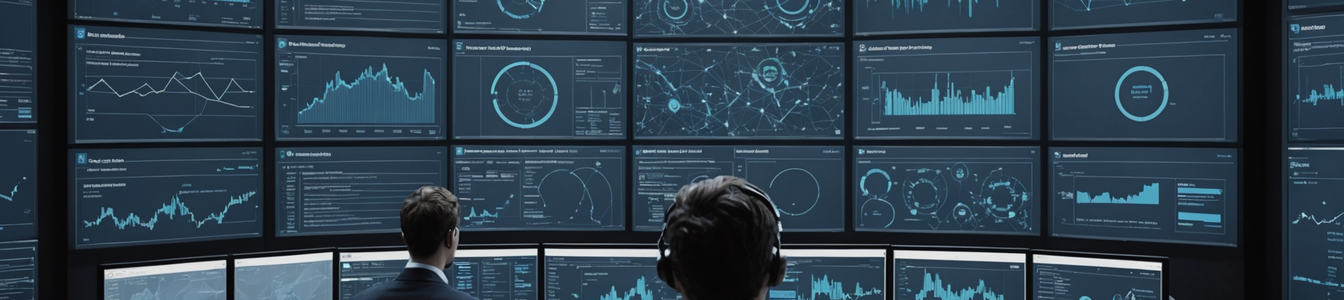
The implementation of workforce monitoring technologies is triggering a global crisis of trust in technical organizations, with recent incidents exposing fundamental flaws in how employee surveillance systems are designed and deployed. As companies increasingly turn to sophisticated monitoring tools to track productivity and ensure security, they're encountering unexpected resistance from technical professionals who view these systems as invasive and counterproductive.
Recent controversies surrounding Cognizant's workforce management tools have brought this issue to the forefront. The technology services company faced significant internal and external criticism after implementing monitoring systems that employees described as excessively intrusive. Technical staff reported concerns about the scope of data collection, which allegedly included keystroke monitoring, application usage tracking, and even webcam activation without clear employee consent or understanding of how the data would be used.
Simultaneously, in Tamil Nadu, revenue department employees launched widespread boycotts against the State Intelligence Report (SIR) system, citing excessive workload and intrusive monitoring requirements. The protests highlight how even government technical departments are struggling with surveillance implementation. Employees expressed concerns that the monitoring systems were being used more for micromanagement than legitimate security purposes, creating an environment of distrust and reducing overall productivity.
From a cybersecurity perspective, these incidents reveal critical vulnerabilities in how organizations approach employee monitoring. Many monitoring systems collect vast amounts of sensitive data without adequate security protections, creating potential goldmines for attackers. The data collected often includes behavioral patterns, work habits, and even personal information that could be exploited if breached.
Technical professionals are particularly sensitive to these issues because they understand the technical implications of such surveillance. They recognize that monitoring tools often operate with elevated system privileges, creating additional attack surfaces. Furthermore, the aggregation of employee behavioral data creates attractive targets for both external attackers and potential insider threats.
The ethical dimensions of workforce monitoring are equally concerning. Technical employees, who often work with sensitive systems and data, require a degree of autonomy and trust to perform effectively. When monitoring becomes perceived as surveillance, it can damage the psychological safety necessary for innovation and problem-solving in technical roles.
Organizations must navigate complex legal landscapes as well. Data protection regulations like GDPR in Europe, CCPA in California, and similar laws worldwide impose strict requirements on employee data collection and processing. Many current monitoring implementations may violate these regulations by collecting excessive data without proper consent mechanisms or data minimization practices.
The solution requires a balanced approach that respects both security needs and employee privacy. Organizations should:
- Implement transparent monitoring policies that clearly communicate what data is collected, how it's used, and who has access
- Apply data minimization principles, collecting only what's necessary for legitimate business purposes
- Ensure robust security controls around collected monitoring data
- Involve technical staff in the design and implementation of monitoring systems
- Establish clear boundaries between legitimate security monitoring and productivity surveillance
As the workforce becomes increasingly technical and remote, finding this balance becomes crucial for maintaining both security and employee trust. Organizations that fail to address these concerns risk not only security vulnerabilities but also talent retention challenges in competitive technical fields.
The current crisis represents an opportunity for cybersecurity leaders to advocate for ethical monitoring practices that protect both organizational assets and employee rights. By approaching workforce monitoring as a collaborative security measure rather than an adversarial surveillance tool, organizations can build stronger, more resilient technical teams while maintaining appropriate security oversight.
Comentarios 0
Comentando como:
¡Únete a la conversación!
Sé el primero en compartir tu opinión sobre este artículo.
¡Inicia la conversación!
Sé el primero en comentar este artículo.