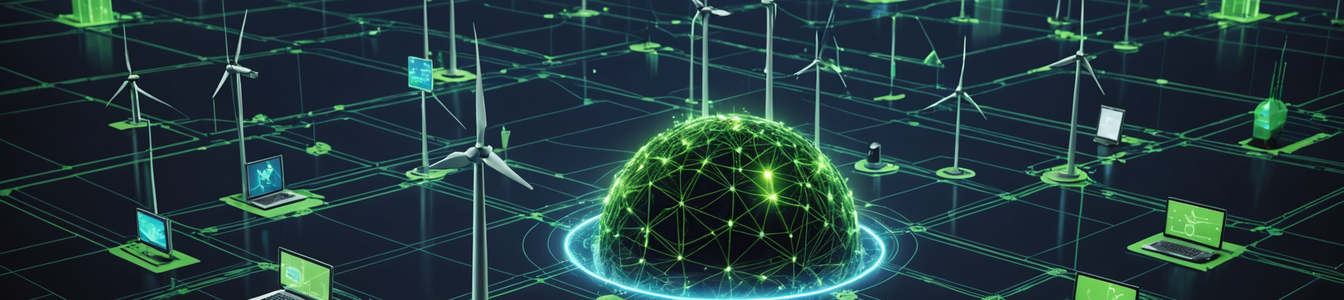
The global push toward climate sustainability and net-zero emissions is fundamentally reshaping energy infrastructure worldwide, creating both opportunities and unprecedented cybersecurity challenges. As nations rapidly transition from traditional energy systems to green alternatives, security professionals are facing a complex landscape of emerging threats that demand immediate framework updates and strategic planning.
India's ambitious green energy transformation exemplifies these challenges. The country's push to convert agricultural waste into renewable energy sources represents a massive digitalization of rural energy infrastructure. This transition connects previously isolated agricultural systems to smart grids and cloud-based management platforms, dramatically expanding the attack surface. Similarly, India's aluminum industry reforms aimed at achieving net-zero targets involve modernizing industrial control systems (ICS) and supervisory control and data acquisition (SCADA) networks, creating integration vulnerabilities between legacy equipment and new digital technologies.
In Australia, the ongoing political debate around net-zero commitments, coal subsidies, and nuclear energy investments highlights the cybersecurity implications of energy policy instability. As political parties debate the abandonment or modification of climate targets, the resulting uncertainty creates fragmented security implementations and inconsistent investment in cybersecurity measures across the energy sector.
The convergence of operational technology (OT) and information technology (IT) networks in green energy installations presents one of the most significant security challenges. Traditional energy systems operated in relative isolation, but modern renewable energy infrastructure requires constant connectivity between field devices, cloud platforms, and corporate networks. This interconnectedness creates multiple entry points for potential attackers.
Smart grid technologies, essential for managing distributed renewable energy sources, introduce vulnerabilities in areas including:
- Advanced Metering Infrastructure (AMI) security
- Distribution automation systems
- Renewable energy forecasting platforms
- Energy storage management systems
- Electric vehicle charging networks
Industrial control systems in green energy facilities face unique threats. Solar farms, wind turbine networks, and biomass conversion plants rely on interconnected sensors and controllers that were not designed with modern cybersecurity threats in mind. The rapid deployment schedule for meeting climate targets often prioritizes functionality over security, leaving critical infrastructure exposed.
The agricultural waste-to-energy sector presents particularly complex security challenges. These systems combine agricultural IoT devices, transportation logistics platforms, biomass processing controls, and energy distribution networks. Each component represents a potential vulnerability that could compromise the entire system.
Cybersecurity professionals must address several critical areas:
- Supply Chain Security: Green energy projects often involve components from multiple international suppliers, creating supply chain vulnerabilities that could be exploited by nation-state actors.
- Legacy System Integration: The need to integrate existing energy infrastructure with new green technologies creates compatibility issues and security gaps that attackers can exploit.
- Regulatory Compliance: Evolving environmental regulations are outpacing cybersecurity standards, creating compliance gaps and inconsistent security implementations.
- Workforce Skills Gap: The specialized knowledge required to secure both traditional energy systems and new green technologies is in short supply, creating operational risks.
As climate policies continue to evolve, cybersecurity frameworks must adapt accordingly. This requires:
- Developing industry-specific security standards for renewable energy installations
- Implementing continuous monitoring and threat detection systems
- Establishing clear protocols for secure integration of legacy and new systems
- Creating incident response plans tailored to green energy infrastructure
- Enhancing collaboration between energy providers, technology vendors, and security researchers
The transition to sustainable energy is essential for addressing climate change, but it must be accompanied by robust cybersecurity measures. Security professionals have a critical window of opportunity to build security into these new systems from the ground up, rather than attempting to retrofit protection after deployment. The time to act is now, before these vulnerabilities can be exploited by malicious actors seeking to disrupt critical energy infrastructure.
Comentarios 0
Comentando como:
¡Únete a la conversación!
Sé el primero en compartir tu opinión sobre este artículo.
¡Inicia la conversación!
Sé el primero en comentar este artículo.