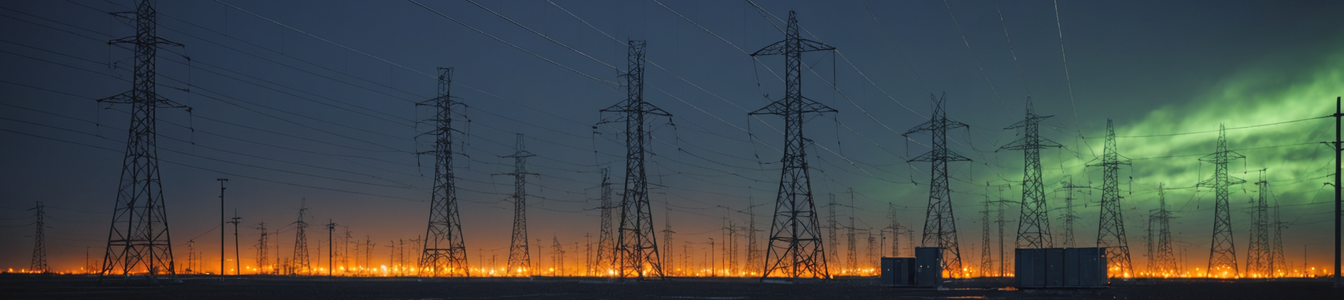
A global race to decarbonize energy systems is creating dangerous cybersecurity gaps in critical infrastructure, as governments prioritize renewable deployment timelines over comprehensive security frameworks. From India's Maharashtra state mandating 65% renewable energy by 2035-36 to urgent calls for energy security "on a war footing" in the UK, policy whiplash is leaving grids vulnerable to sophisticated attacks.
The Cybersecurity Challenge of Distributed Generation
Traditional centralized power grids presented a contained attack surface with well-understood security perimeters. The rapid shift toward distributed renewable generation—solar farms, wind turbines, and behind-the-meter resources—creates thousands of new entry points. Each smart inverter, grid-connected battery system, and IoT-enabled monitoring device represents a potential vulnerability. Security teams now face the monumental task of securing not just utility-controlled assets but millions of consumer-owned devices with varying security postures.
Storage Systems: A New Frontier of Vulnerability
Grid-scale battery storage, essential for managing intermittent renewable generation, introduces unique risks. These systems combine complex power electronics, battery management software, and grid interconnection controls—each layer potentially exploitable. Recent analyses show that many storage procurement rules fail to include cybersecurity requirements, creating what experts call "security by omission." Attackers could manipulate charging cycles to create grid instability or access thermal management systems to trigger catastrophic failures.
Supply Chain Compromises in the Renewable Rush
The pressure to meet aggressive deployment targets has led to relaxed scrutiny of equipment supply chains. Solar panel manufacturers, wind turbine producers, and battery component suppliers operate across geopolitical boundaries, with varying cybersecurity standards. Backdoors implanted in inverter firmware or monitoring software could provide persistent access to hostile actors. The UK's call for energy security "on a war footing" directly addresses this concern, highlighting how geopolitical tensions intersect with infrastructure vulnerability.
Policy Implementation Gaps
Ireland's ongoing energy policy reconsideration exemplifies the tension between ambition and implementation. While targets are set at national levels, security implementation often falls to regional utilities and distribution companies (Discoms) with limited cybersecurity resources. The Maharashtra directive requiring Discoms to create capacity for renewable integration illustrates this disconnect—mandating technical capability without corresponding security mandates.
Recommendations for Security Professionals
- Advocate for security-by-design in all renewable procurement specifications
- Develop specialized monitoring for inverter communications and storage management protocols
- Create segmented network architectures that isolate renewable assets without compromising grid stability
- Establish vendor security requirements that extend throughout the supply chain
- Implement continuous vulnerability assessment programs for distributed energy resources
The convergence of operational technology (OT) and information technology (IT) in modern renewable systems requires security teams to bridge traditional divides. Grid operators must now defend against not just physical disruption but coordinated cyber-physical attacks that could manipulate generation patterns to cause cascading failures.
As nations accelerate their energy transitions, cybersecurity must move from an afterthought to a foundational requirement. The alternative—renewable infrastructure deployed at scale without adequate security—creates a paradox where the pursuit of energy independence through renewables could inadvertently create new dependencies on vulnerable technologies. Security leaders must engage now with policymakers and engineers to ensure resilience keeps pace with deployment, before threat actors exploit these emerging vulnerabilities.
Comentarios 0
Comentando como:
¡Únete a la conversación!
Sé el primero en compartir tu opinión sobre este artículo.
¡Inicia la conversación!
Sé el primero en comentar este artículo.