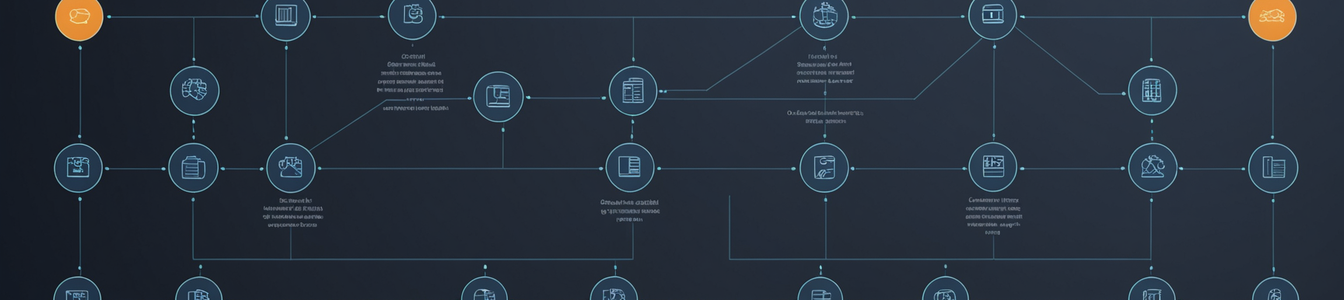
The global energy sector is facing unprecedented cybersecurity challenges as companies develop sophisticated digital evasion tactics to circumvent international sanctions. Recent investigations reveal that sanctioned entities are increasingly leveraging complex supply chain networks, digital payment systems, and third-party intermediaries to maintain operations despite restrictive measures.
Energy companies like Nayara are experiencing significant disruptions in accessing non-Russian oil supplies due to sanctions compliance requirements. This has forced organizations to develop alternative sourcing strategies that often involve gray market operations and complex transaction routing. These evasion methods create new attack surfaces for cybercriminals and state-sponsored actors seeking to exploit vulnerabilities in newly established supply chains.
The cybersecurity implications are profound. Sanctions evasion requires sophisticated digital infrastructure capable of masking transaction origins, obfuscating ownership structures, and bypassing compliance monitoring systems. This often involves the use of cryptocurrency payments, shell company networks, and digital asset transfers that can be vulnerable to manipulation and cyber attacks.
Financial institutions and energy companies must now implement enhanced monitoring systems capable of detecting sanctions evasion patterns in real-time. This includes advanced analytics for transaction monitoring, blockchain analysis tools, and AI-powered compliance verification systems. The complexity of these evasion tactics requires cybersecurity teams to develop specialized expertise in financial crime detection and supply chain security.
Critical infrastructure protection has become increasingly challenging as energy companies establish new partnerships and routing arrangements to avoid sanctioned entities. These arrangements often involve less secure digital infrastructure and third-party vendors with varying cybersecurity standards, creating potential entry points for nation-state actors.
The convergence of financial compliance and cybersecurity has never been more critical. Organizations must implement integrated risk management frameworks that address both regulatory requirements and cyber threats emerging from sanctions evasion activities. This includes enhanced due diligence processes for digital partners, secure transaction monitoring infrastructure, and robust incident response plans for financial system compromises.
As sanctions regimes evolve, so do the evasion tactics. Cybersecurity professionals must stay ahead of emerging threats by developing specialized capabilities in financial cybersecurity, supply chain verification, and digital forensics for complex transaction analysis. The stakes are particularly high for energy infrastructure, where cyber attacks could disrupt critical supply chains and national security interests.
Future preparedness requires investment in advanced threat intelligence capabilities focused on sanctions evasion patterns, cross-border transaction security, and protection of digital payment systems. Collaboration between financial institutions, energy companies, and government agencies is essential for developing effective countermeasures against these evolving threats.
Comentarios 0
Comentando como:
¡Únete a la conversación!
Sé el primero en compartir tu opinión sobre este artículo.
¡Inicia la conversación!
Sé el primero en comentar este artículo.