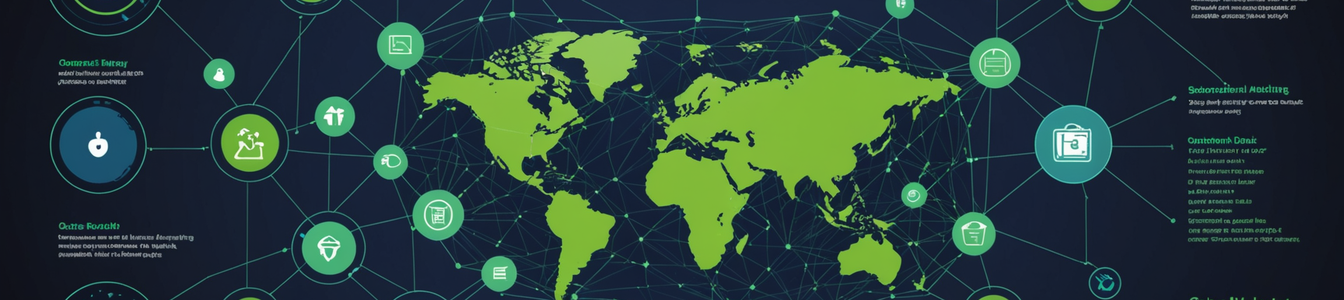
The rapid evolution of environmental compliance technology is creating a new frontier in cybersecurity, as organizations worldwide grapple with increasingly complex climate regulations and reporting requirements. Environmental intelligence platforms represent a critical convergence of data analytics, regulatory compliance, and cybersecurity that demands immediate attention from security professionals.
The Rise of Environmental Intelligence Platforms
Platforms like Envizom are transforming how industries and cities manage environmental compliance by integrating real-time monitoring, predictive analytics, and regulatory tracking. These systems collect vast amounts of sensitive environmental data, including emissions metrics, resource consumption patterns, and compliance status across multiple jurisdictions. The cybersecurity implications are substantial, as these platforms become essential infrastructure for regulatory reporting and operational decision-making.
Cybersecurity Challenges in Environmental Compliance
The integration of environmental intelligence systems creates several unique security challenges. First, these platforms handle highly sensitive corporate data that could reveal competitive advantages or compliance vulnerabilities. Second, they interface with critical operational technology systems in industrial settings, creating potential attack vectors for malicious actors. Third, the regulatory nature of the data means that integrity and availability are as important as confidentiality—compromised data could lead to regulatory penalties or operational shutdowns.
Global Regulatory Landscape and Security Implications
As evidenced by Shell's preparation for new provincial emissions regulations in Canada and Europe's push toward 2040 carbon removal targets through technologies like BECCS (Bioenergy with Carbon Capture and Storage), the regulatory environment is becoming increasingly complex. Each jurisdiction brings different compliance requirements, data protection standards, and reporting timelines. Cybersecurity professionals must ensure that environmental intelligence platforms can securely manage this complexity while maintaining data integrity across borders.
Data Protection and Privacy Considerations
Environmental intelligence platforms process three categories of sensitive data: operational data from industrial processes, compliance data for regulatory reporting, and strategic data for corporate decision-making. Each category requires different security controls and protection levels. The European GDPR, California's CCPA, and Brazil's LGPD all impose additional requirements for handling this data, creating a complex web of compliance obligations that cybersecurity teams must navigate.
Integration with Existing Security Frameworks
Successful implementation of environmental intelligence platforms requires integration with existing cybersecurity frameworks like NIST, ISO 27001, and industry-specific standards. Security teams must consider:
- Identity and access management for multi-stakeholder environments
- Encryption of data in transit and at rest
- Secure API integrations with regulatory systems
- Incident response planning for compliance-related breaches
- Third-party risk management for platform vendors
Future Trends and Security Preparedness
The expansion of environmental intelligence platforms to cities and industrial complexes creates new attack surfaces that require specialized security expertise. As these systems become more interconnected with smart city infrastructure and industrial control systems, the potential impact of security incidents grows exponentially. Cybersecurity professionals must develop specialized knowledge in both environmental regulations and industrial security to effectively protect these critical systems.
Recommendations for Security Teams
- Conduct comprehensive risk assessments specifically addressing environmental data systems
- Implement zero-trust architectures for platform access
- Develop specialized incident response plans for compliance-related breaches
- Establish clear data governance policies for environmental information
- Invest in security awareness training focused on environmental compliance systems
The convergence of environmental technology and cybersecurity represents both a challenge and an opportunity for security professionals to expand their expertise into a rapidly growing field with significant business impact.
Comentarios 0
Comentando como:
¡Únete a la conversación!
Sé el primero en compartir tu opinión sobre este artículo.
¡Inicia la conversación!
Sé el primero en comentar este artículo.