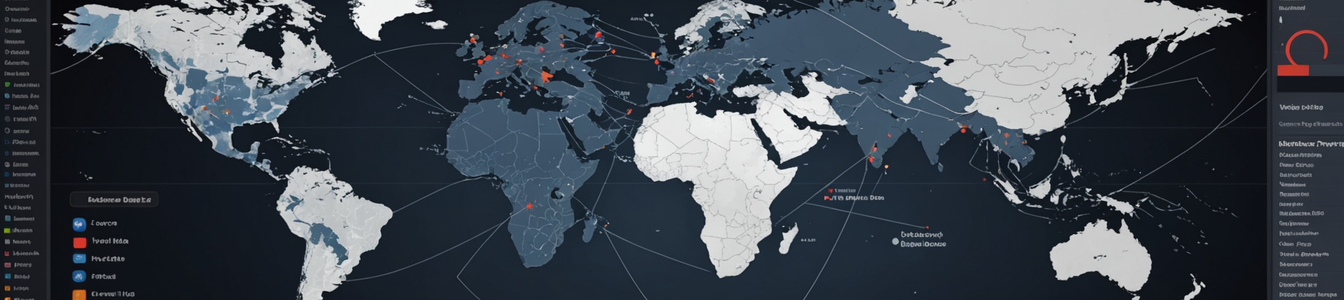
The cybersecurity landscape is facing a new frontier in nation-state attacks as North Korean hacking groups have developed a sophisticated technique called 'EtherHiding' that weaponizes blockchain technology for stealth malware distribution. This innovative approach represents a significant escalation in the ongoing cyber warfare between state-sponsored actors and global security defenses.
EtherHiding leverages the decentralized nature of blockchain networks to create an untraceable and resilient malware hosting infrastructure. By storing malicious payloads within smart contracts on both Ethereum and BNB Smart Chain networks, attackers have created a distribution mechanism that bypasses traditional security controls and takedown procedures that typically target centralized servers.
The attack chain begins with the compromise of WordPress websites through vulnerable plugins and themes. Security analysts have identified approximately 14,000 infected WordPress sites globally that serve as the initial infection vector. When visitors access these compromised sites, they're redirected to the blockchain-hosted malicious code through a complex series of obfuscated JavaScript injections.
What makes EtherHiding particularly dangerous is its resilience against conventional countermeasures. Unlike traditional malware hosting on centralized servers that can be taken down through coordinated efforts with hosting providers, blockchain-hosted payloads remain permanently accessible due to the immutable nature of distributed ledger technology. This creates a persistent threat that security teams cannot easily eliminate.
The technical implementation involves encoding malicious scripts directly into smart contract data fields, which are then executed through carefully crafted transactions. The malware payloads are typically information stealers and remote access trojans designed to compromise financial institutions and cryptocurrency platforms, aligning with North Korea's known objectives of generating revenue through cyber operations.
Security researchers from multiple organizations have observed the campaign's evolution over recent months, noting increased sophistication in both the infection mechanisms and the obfuscation techniques used to hide the malicious activity. The attackers have developed methods to dynamically update their payloads by modifying smart contract parameters, allowing them to adapt their malware in real-time without requiring reinfection of compromised websites.
This development represents a paradigm shift in how nation-state actors approach cyber operations. By leveraging blockchain's core features – decentralization, immutability, and pseudonymity – threat actors have created a nearly perfect crime infrastructure that challenges fundamental assumptions in cybersecurity defense strategies.
The implications for enterprise security are profound. Traditional web filtering and content security policies that rely on blocking known malicious domains become ineffective against blockchain-hosted threats. Security teams must now consider blockchain transactions as potential attack vectors and develop new monitoring capabilities to detect suspicious smart contract interactions.
Industry response has been swift but challenging. Major security vendors are updating their threat intelligence platforms to include blockchain-based indicators of compromise, while researchers are developing specialized tools to analyze smart contracts for malicious content. However, the cat-and-mouse game continues as attackers refine their techniques to evade detection.
Organizations are advised to implement multi-layered security controls including advanced endpoint protection, network monitoring for unusual blockchain interactions, and rigorous patch management for web applications. The WordPress ecosystem, in particular, requires heightened attention given its role as the primary initial access vector in this campaign.
As blockchain technology continues to evolve, security professionals anticipate that other threat actors will adopt similar techniques, making EtherHiding not just an isolated incident but rather the beginning of a new era in cyber warfare. The need for blockchain-native security solutions has never been more urgent as the lines between legitimate blockchain applications and malicious exploitation continue to blur.
Comentarios 0
Comentando como:
¡Únete a la conversación!
Sé el primero en compartir tu opinión sobre este artículo.
¡Inicia la conversación!
Sé el primero en comentar este artículo.