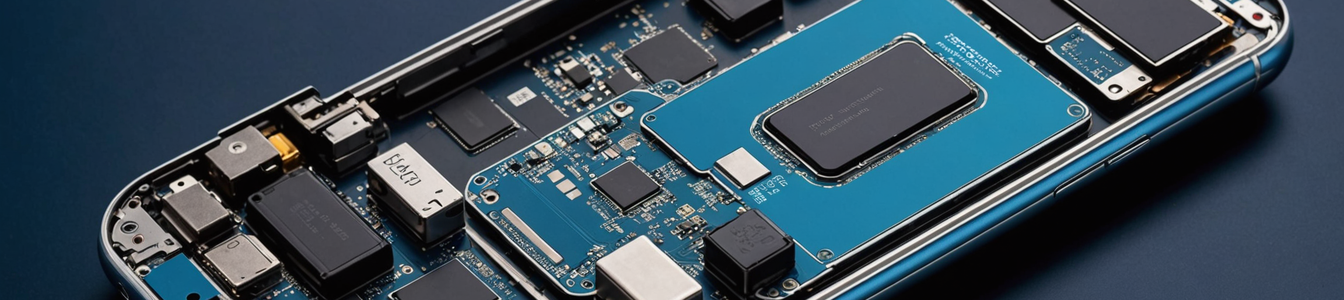
The European Union's push toward a circular economy has set the stage for one of the most significant hardware security conflicts in recent memory. By 2027, smartphone manufacturers must comply with new regulations mandating user-replaceable batteries—a move that cybersecurity experts warn could systematically undermine years of anti-tamper engineering and create novel attack surfaces previously contained by sealed device architectures.
The Regulatory Landscape and Its Security Implications
The EU's regulation represents a fundamental shift from current industry practices where batteries are permanently integrated using strong adhesives and specialized tools. This design philosophy wasn't merely about planned obsolescence; it served critical security functions. Sealed devices create physical barriers against unauthorized access to the main logic board, memory chips, and security enclaves like the Secure Element or Titan M chips. The impending requirement for tool-free, consumer-accessible battery replacement necessitates complete re-engineering of device chassis, potentially compromising these physical security layers.
Clash with Established Security Paradigms
Modern smartphone security operates on a 'defense-in-depth' principle where physical tamper resistance forms the outermost layer. Features like epoxy-encapsulated components, tamper-evident seals, and intrusion detection switches become significantly harder to implement in devices designed for easy disassembly. Water and dust resistance (IP68 ratings), now considered standard in mid-to-high-end devices, rely on precisely engineered seals that could be compromised by repeated battery replacements by end-users. Security researchers note that every new entry point, however well-designed, represents a potential vulnerability.
Emerging Hardware Attack Vectors
The cybersecurity community is particularly concerned about several specific threats that could emerge:
- Battery Interface Attacks: The connector between a replaceable battery and the motherboard becomes a high-value target. Malicious batteries containing microcontrollers could theoretically attempt to communicate with or manipulate the device's power management IC, potentially leading to voltage glitching attacks aimed at bypassing secure boot or extracting encryption keys.
- Physical Implant Opportunities: Easier access to the device interior lowers the barrier for installing hardware implants—miniature devices that can intercept data, inject commands, or establish covert wireless communication. What currently requires specialized equipment and significant risk of device destruction could become feasible with modest technical skill.
- Firmware Manipulation Pathways: Many devices use battery authentication chips to ensure genuine components. Reverse engineering or spoofing these chips could become a gateway to lower-level system access if the authentication protocol is compromised through the new physical interface.
- Supply Chain Compromise Risks: A standardized, accessible battery compartment creates opportunities for malicious actors to intercept and modify devices or replacement batteries anywhere in the supply chain, not just during manufacturing.
The Enterprise and Government Sector Impact
For organizations deploying managed devices, the security implications are profound. Current mobile device management (MDM) solutions and compliance frameworks assume a certain level of physical integrity. The potential for undetectable hardware modifications could undermine entire security models based on device attestation and trusted hardware. Government agencies and regulated industries with strict hardware security requirements may need to develop new certification standards or restrict use of EU-compliant devices in sensitive environments.
Potential Security Benefits and the Transparency Argument
Some security advocates counter that repairable designs could enhance security through increased transparency and auditability. Independent security researchers would have easier access to inspect hardware for vulnerabilities or backdoors. The right-to-repair movement argues that current sealed designs actually hinder security by preventing independent verification of hardware integrity. A well-designed standard could potentially include security-preserving features like tamper-evident mechanisms on battery compartments or authenticated battery protocols that don't rely on obscurity.
The Manufacturer's Security Dilemma
Device makers now face competing imperatives: comply with sustainability regulations while maintaining (or improving) current security and durability standards. Engineering solutions will likely involve trade-offs. Some concepts being explored include:
- Sophisticated mechanical latches with intrusion detection sensors
- Cryptographic authentication of genuine batteries via dedicated secure chips
- Compartmentalized designs where the battery is accessible but critical components remain behind secondary barriers
- Enhanced software detection of abnormal power patterns indicating malicious hardware
The Road to 2027: A Call for Security-by-Design Collaboration
As the 2027 deadline approaches, cybersecurity professionals must engage with regulators and standards bodies to ensure security considerations are integrated into implementation guidelines. The ideal outcome would be a standard that enables repairability without sacrificing security—perhaps through mandatory security features in the replaceable battery specification itself. The alternative—a fragmented market with varying security implementations—could create a weakest-link scenario affecting global device security.
The coming years will witness a fundamental renegotiation of the relationship between device longevity and device integrity. How this balance is struck will determine not only the environmental impact of smartphones, but also the physical security foundations of the mobile devices that have become central to modern digital life.
Comentarios 0
Comentando como:
¡Únete a la conversación!
Sé el primero en compartir tu opinión sobre este artículo.
¡Inicia la conversación!
Sé el primero en comentar este artículo.