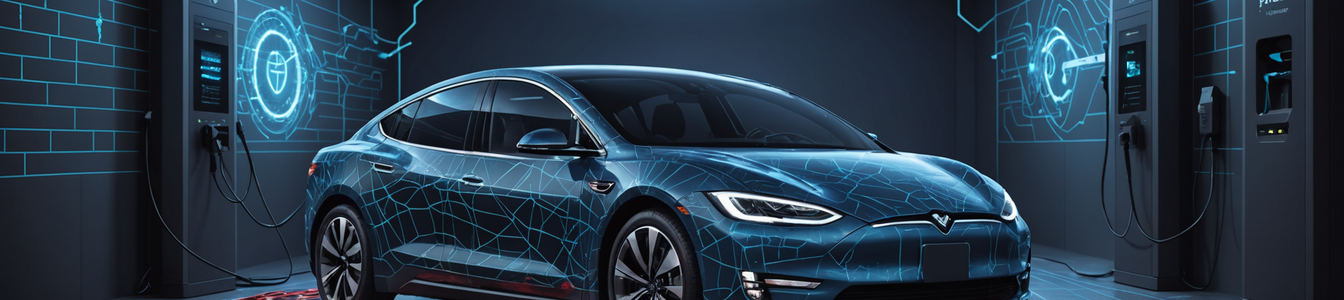
The global transition to electric vehicles represents one of the most significant energy transformations in modern history, but this shift brings unprecedented cybersecurity challenges. EV charging infrastructure—comprising public stations, home chargers, and management systems—has become the new frontline in critical infrastructure protection.
Cybersecurity researchers have identified multiple attack vectors targeting EV charging networks. These include manipulation of charging protocols to cause grid instability, ransomware attacks disabling entire charging networks, theft of payment and personal data, and even potential vehicle-to-grid manipulation that could trigger widespread power disruptions. The interconnected nature of these systems means a breach in one component can cascade through the entire ecosystem.
Artificial intelligence is emerging as a critical defense mechanism. Advanced AI systems can monitor charging station behavior in real-time, detecting anomalies that might indicate cyber intrusions. Machine learning algorithms analyze patterns in energy consumption, communication protocols, and user interactions to identify deviations from normal operations. These systems can automatically isolate compromised stations, block malicious commands, and alert security teams to emerging threats.
One particularly promising application involves AI-powered authentication systems that verify both the vehicle and user credentials before initiating charging sessions. These systems use behavioral analytics and biometric verification to prevent unauthorized access while maintaining user convenience. Additionally, AI-driven encryption protocols protect data transmitted between vehicles, charging stations, and grid management systems.
The stakes are exceptionally high because EV charging infrastructure intersects with multiple critical systems. A coordinated attack could simultaneously impact transportation networks, energy grids, and financial systems. Security professionals emphasize the need for zero-trust architectures that verify every transaction and communication, regardless of source.
Industry standards are evolving to address these challenges. The IEEE and ISO are developing specialized security frameworks for EV charging infrastructure, while regulatory bodies in North America and Europe are implementing mandatory cybersecurity certifications for charging equipment manufacturers.
Implementation challenges remain significant. Many existing charging stations were deployed with minimal security considerations, creating a massive legacy vulnerability problem. Retrofitting these systems with adequate protection requires substantial investment and technical expertise. Furthermore, the diversity of charging technologies and protocols complicates the development of universal security solutions.
The human element cannot be overlooked. Social engineering attacks targeting charging station operators and maintenance personnel represent a persistent threat. Comprehensive security strategies must include robust training programs and strict access controls to prevent insider threats.
Looking forward, the integration of blockchain technology with AI systems shows promise for creating tamper-proof transaction records and decentralized authentication mechanisms. Several pilot projects are testing blockchain-based solutions for secure vehicle-to-grid communications and transparent energy trading.
As EV adoption continues to accelerate, the cybersecurity community must prioritize the protection of charging infrastructure. This requires collaboration between automakers, utility companies, technology providers, and government agencies to establish comprehensive security standards and rapid response protocols. The electric future depends on building trust in the systems that power it.
Comentarios 0
Comentando como:
¡Únete a la conversación!
Sé el primero en compartir tu opinión sobre este artículo.
¡Inicia la conversación!
Sé el primero en comentar este artículo.