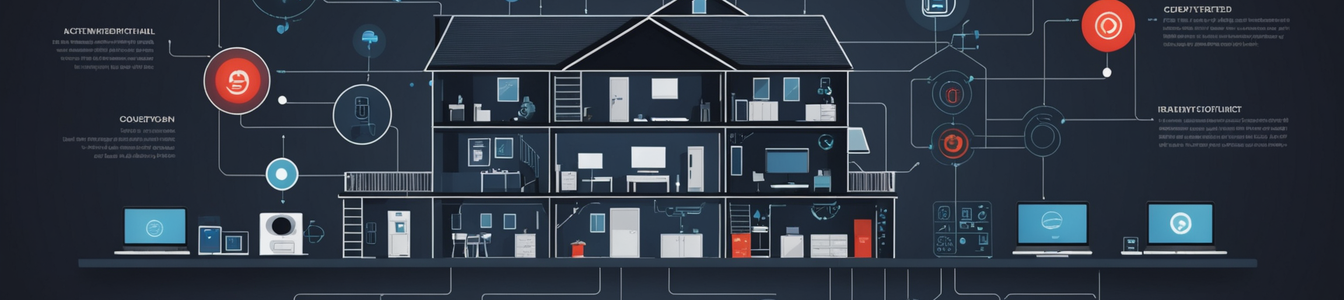
The cybersecurity landscape is facing a new sophisticated threat as researchers uncover the 'EvilAI' malware campaign, which weaponizes fake artificial intelligence tools to conduct global supply chain attacks. This operation represents a significant evolution in attack methodology, leveraging the current AI boom to infiltrate organizations across multiple sectors.
Attack Methodology and Distribution
The EvilAI campaign employs advanced SEO poisoning techniques to push malware-infected applications through search engine results. Threat actors create fake websites and application listings that mimic legitimate AI tools and productivity software, optimizing them to appear prominently in search results for popular AI-related queries. When users download and install these applications, believing them to be genuine AI solutions, the malware silently infiltrates their systems.
Italy has emerged as one of the most heavily impacted countries, with numerous organizations across manufacturing, technology, and financial services sectors reporting infections. The campaign's success stems from its ability to exploit the trust relationship between software providers and their users, a hallmark of effective supply chain attacks.
Technical Execution
The malware operators have demonstrated sophisticated understanding of both cybersecurity defenses and current technology trends. By packaging their malicious payload within what appears to be legitimate AI applications, they bypass traditional security measures that might flag more obvious threats. The fake applications often include functional elements that mimic real AI tools, making detection more challenging for both users and security software.
The attack chain typically begins when users search for specific AI tools or productivity applications. Compromised websites and fake application stores appear in search results, often outranking legitimate sources due to aggressive SEO manipulation. Once downloaded, the applications execute their malicious payload while maintaining the appearance of legitimate software functionality.
Global Impact and Sector Vulnerability
Organizations handling large volumes of data are particularly vulnerable, as they are increasingly adopting AI solutions to manage and process their information assets. The growing data volumes within enterprises create expanded attack surfaces that threat actors are exploiting through these sophisticated campaigns.
The supply chain nature of these attacks means that a single compromised application can affect multiple organizations downstream. This creates a ripple effect where the initial infection can spread to business partners, clients, and other connected entities, amplifying the damage beyond the initially targeted organization.
Mobile devices have also become significant vectors for these attacks, with smartphones increasingly targeted through fake mobile applications. The convergence of mobile workforce trends and AI adoption creates perfect conditions for these campaigns to thrive.
Defense Recommendations
Security teams should implement comprehensive vetting procedures for all third-party applications, particularly those claiming to offer AI capabilities. Organizations must verify the authenticity of software sources and employ application allow-listing where possible. Enhanced monitoring of network traffic from newly installed applications can help detect suspicious behavior early in the attack chain.
Employee awareness training remains crucial, as human factors often play a significant role in the success of these campaigns. Users should be educated about the risks of downloading software from unverified sources and trained to recognize potential red flags in application distribution channels.
Technical defenses should include advanced threat detection systems capable of identifying malicious behavior within seemingly legitimate applications. Behavioral analysis and sandboxing technologies can help uncover malware that might evade signature-based detection methods.
Future Outlook
The EvilAI campaign represents a troubling trend in the cybersecurity landscape, where threat actors increasingly leverage legitimate technology trends to conduct sophisticated attacks. As AI adoption continues to accelerate across industries, security professionals must remain vigilant about the potential for abuse of these technologies by malicious actors.
The convergence of supply chain attacks with AI-themed social engineering creates a potent combination that demands coordinated defense strategies. Organizations must balance their embrace of innovative technologies with appropriate security measures to protect against these evolving threats.
Comentarios 0
Comentando como:
¡Únete a la conversación!
Sé el primero en compartir tu opinión sobre este artículo.
¡Inicia la conversación!
Sé el primero en comentar este artículo.