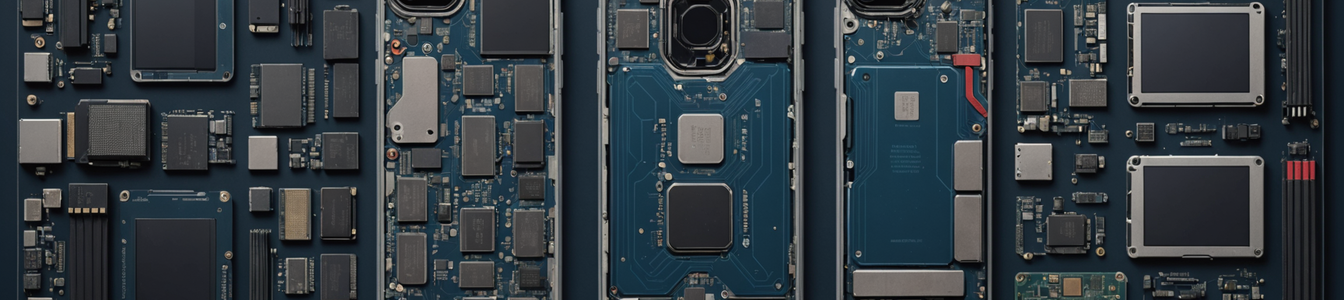
A new and insidious threat vector is compromising mobile security at its very foundation: the hardware supply chain. Cybersecurity researchers and law enforcement agencies are uncovering a global operation where organized criminal networks manufacture and distribute counterfeit premium smartphones that come pre-infected with sophisticated malware. This 'malware assembly line' represents a paradigm shift in attack methodology, moving beyond malicious apps to compromised devices that bypass all conventional security gates from the moment they are powered on.
The Hardware-Based Infection Vector
The scheme operates on multiple continents, with recent busts like one in Delhi exposing the scale. Criminal groups assemble devices using substandard or refurbished components, then package them in convincing counterfeit casings of popular premium brands like Samsung and Apple. The critical step occurs during the flashing of the device's firmware or the installation of a compromised Android operating system. Before the device is sealed in its box, modular malware droppers are embedded deep within the system.
These are not simple adware bundles. According to technical analyses, the embedded droppers are highly sophisticated. They act as a silent first stage, designed with a singular purpose: to survive factory resets and persistently download additional malicious payloads from command-and-control (C2) servers. The droppers themselves are often heavily obfuscated and may masquerade as critical system processes or legitimate-looking utility apps, making them extremely difficult for the average user to identify and remove.
Evolution of the Payload: A Swiss Army Knife of Malware
The true danger lies in the payloads these droppers deploy. Recent campaigns show a trend of convergence, where a single infection chain can deliver multiple types of malware, creating a comprehensive threat profile for each victim. The primary modules observed include:
- Financial Trojans (Banking Malware): Designed to overlay fake login screens on legitimate banking and financial apps, stealing credentials and one-time passwords (OTPs). A specific strain circulating in Brazil has been dubbed a 'account-cleaning virus' for its efficiency in draining digital wallets and bank accounts.
- SMS Interceptors and Stealers: These modules gain permissions to read, send, and intercept SMS messages. This serves a dual purpose: capturing OTPs for financial fraud and signing victims up for premium-rate SMS services without their knowledge, generating direct revenue for the attackers.
- Remote Access Trojans (RATs): Advanced payloads that provide attackers with remote control over the infected device. This can include activating the camera and microphone, logging keystrokes, exfiltrating files and contacts, and executing commands. The merger of dropper, financial theft, and RAT capabilities represents a significant escalation in operational scale and victim impact.
The Distribution and Impact Chain
These infected devices enter the market through unofficial channels: online marketplaces with lax seller verification, street vendors, and grey-market electronics shops. They are often sold at prices slightly below market value for 'new' premium devices, attracting bargain-seeking consumers who are unaware of the hidden cost.
The impact is severe and multi-layered. For individual users, it leads to direct financial loss, identity theft, and a complete violation of privacy. For enterprises, the risk is magnified. An employee using a pre-infected personal or corporate-purchased device becomes a walking security breach, potentially allowing attackers a foothold into corporate networks through email, VPN clients, or authenticated business apps installed on the compromised handset.
Detection and Mitigation Challenges
This threat is notoriously difficult to combat. Traditional mobile security advice—'only download apps from official stores'—is rendered useless because the malware is baked into the device itself. The droppers use advanced anti-analysis techniques and often require no interaction from the user to begin their malicious activity.
Security researchers note that the malware frequently employs encrypted payloads that are only decrypted on the device, evading signature-based detection on network layers. Furthermore, the use of legitimate code-signing certificates stolen or purchased from dubious sources helps the malware appear trustworthy to the operating system.
Recommendations for Consumers and Security Teams
- Procurement Vigilance: Purchase devices only from authorized retailers and reputable sources. Be deeply skeptical of deals that seem too good to be true for new, high-end models.
- Enterprise Device Management: Organizations must enforce strict procurement policies for corporate devices and strengthen Bring Your Own Device (BYOD) policies. Consider mandating device attestation and health checks before granting network or resource access.
- Post-Purchase Scrutiny: Users should be vigilant for signs of compromise, such as rapid battery drain, unexplained data usage, unfamiliar apps that cannot be uninstalled, or unexpected SMS charges.
- Layered Security: Install a reputable mobile security solution from a trusted vendor. While not foolproof against firmware-level threats, it can detect and block the secondary payloads downloaded by the dropper.
- Firmware Verification: For technically advanced users or enterprise IT departments, verifying the integrity of the device's firmware upon receipt—though complex—can be a decisive check.
The emergence of this hardware-based malware distribution network signals a new front in cybersecurity. It demands a shift in perspective, where the trustworthiness of the hardware supply chain must be considered as critical as the security of the software running on it. As counterfeit operations grow more sophisticated, collaboration between law enforcement, cybersecurity firms, and platform manufacturers (Google, Apple) is essential to disrupt this 'assembly line' and protect the global user base.
Comentarios 0
Comentando como:
¡Únete a la conversación!
Sé el primero en compartir tu opinión sobre este artículo.
¡Inicia la conversación!
Sé el primero en comentar este artículo.