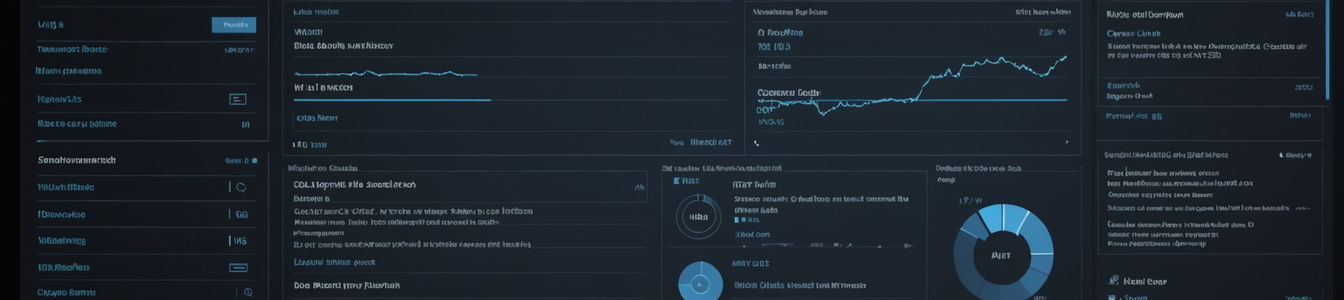
The cybersecurity landscape is witnessing a concerning refinement in social engineering tactics, as threat actors increasingly incorporate sophisticated, professional-looking animations into their attack chains. This technique, designed to mimic legitimate software processes, represents a significant evolution in the psychological manipulation of potential victims, moving beyond static fake pages to dynamic, interactive deception.
The core of this tactic lies in the creation of fake user interface (UI) elements that simulate genuine system activity. Common examples include animated progress bars that appear during a fake software update or installation, countdown timers that create artificial urgency, and fluid transitions that mimic operating system dialogues. One particularly effective method involves displaying a fake password prompt or system authentication window that appears after a user clicks a malicious link, convincing them they are interacting with a trusted platform like Microsoft Windows or macOS.
This approach directly targets a user's cognitive biases. A static image of an update screen might raise suspicion upon closer inspection, but a smoothly animated progress bar triggers mental shortcuts associated with legitimate software behavior. The animation provides visual 'proof' that a process is running as expected, lowering the user's guard and reducing the likelihood they will abort the action. The perceived professionalism of the animation also lends credibility to the entire ruse, making the malicious site or download appear more legitimate.
The impact of this technique is magnified by its integration with the modern cybercrime economy. Many of these animated deception kits are available as part of subscription-based Malware-as-a-Service (MaaS) offerings. This commoditization allows even low-skilled threat actors to deploy high-fidelity attacks without needing graphic design or advanced coding skills. They can simply rent or purchase a toolkit that includes templates for fake software updates, document loading screens, or security scan simulations, complete with convincing JavaScript or CSS-based animations.
From a technical perspective, these animations are typically implemented using standard web technologies—JavaScript, CSS3 animations, SVG, or HTML5 Canvas—making them lightweight and easily embedded into phishing pages or bundled with malicious downloaders. The code is often obfuscated to avoid detection by simple scanning tools. The final payload delivered after the animation completes can vary widely, from information-stealers like Raccoon or RedLine to ransomware or remote access trojans (RATs).
For the cybersecurity community, this trend underscores several critical points. First, traditional user awareness training that focuses on spotting 'poorly designed' or 'spelling-error-ridden' pages is becoming less effective. The visual quality of attacks is now often high. Second, technical defenses must adapt. While URL filtering and signature-based detection remain important, there is a growing need for behavioral analysis solutions that can detect the anomalous sequence of a webpage generating system-like UI prompts or simulating local software installations from a remote web context.
Security teams are advised to update their threat models and user training programs. Emphasizing process over appearance is key: users should be trained to question why a system dialog is appearing from a web browser or an unexpected email attachment, not just whether it looks real. Encouraging verification through trusted channels—like manually visiting a software vendor's site rather than clicking a link—is more crucial than ever.
Furthermore, application allow-listing, where only pre-approved software can run on corporate systems, can effectively neuter these attacks by blocking the final payload execution, regardless of how convincing the initial lure was. Network monitoring can also look for patterns associated with these kits, such as specific script libraries or the sequence of network calls that occur during the fake animation phase before a malicious download is triggered.
The rise of animated deception marks a shift towards more psychologically potent and technically seamless social engineering. It exploits the human trust in familiar, dynamic system feedback. Combating it requires a dual approach: fostering a more skeptical, process-oriented mindset among users, and deploying security layers capable of analyzing the intent and behavior behind increasingly polished malicious interfaces.
Comentarios 0
Comentando como:
¡Únete a la conversación!
Sé el primero en compartir tu opinión sobre este artículo.
¡Inicia la conversación!
Sé el primero en comentar este artículo.