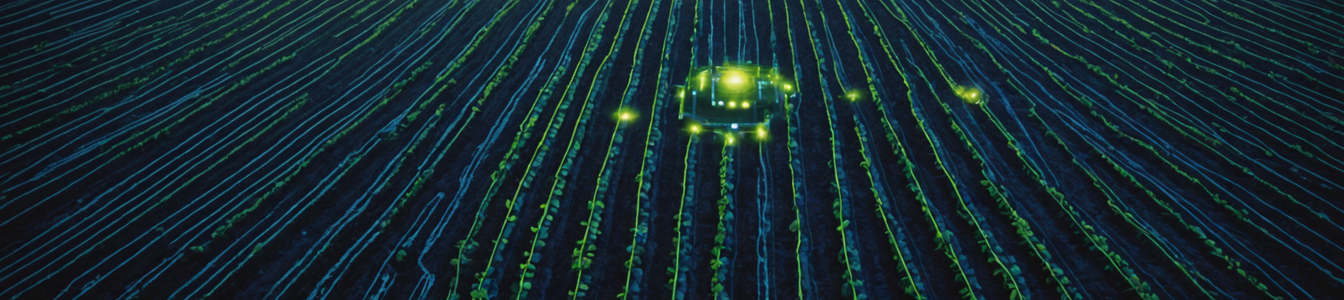
The agricultural landscape is undergoing a digital transformation as profound as the mechanization of the 20th century. From the sun-drenched fields of the Mediterranean to the vast farmlands of the Americas, precision agriculture platforms are deploying networks of Internet of Things (IoT) sensors, drones, and automated machinery connected to cloud-based analytics engines. These systems promise unprecedented efficiency, optimizing water usage, fertilizer application, and harvest timing through real-time data. However, this technological revolution is sowing the seeds of a significant cybersecurity crisis, exposing critical food production infrastructure to digital threats in physically vulnerable environments.
At the heart of this transformation are platforms like the Farm-Tech system being implemented across Mediterranean agricultural regions. These solutions aggregate data from soil moisture sensors, weather stations, satellite imagery, and equipment telemetry to create detailed digital models of farm operations. Similarly, major industrial automation providers like Rockwell Automation are demonstrating at events like Hannover Messe how cloud-connected factory principles are being adapted for agricultural operations, creating integrated ecosystems where operational technology (OT) from irrigation systems and harvesters communicates directly with information technology (IT) systems in the cloud.
The cybersecurity implications of this convergence are staggering. Traditional agricultural operations were largely isolated from digital networks, with physical security being the primary concern. Today's smart farms feature multiple attack vectors: unsecured IoT sensors transmitting valuable agronomic data, legacy equipment retrofitted with connectivity modules lacking basic security features, cloud platforms aggregating proprietary farming algorithms and yield predictions, and supply chain integrations that connect farm data to distributors and retailers.
What makes this particularly concerning is the deployment environment. Unlike secured industrial facilities or corporate data centers, agricultural IoT devices are installed in remote fields, often without physical protection against tampering. Communication protocols between devices are frequently proprietary or use standard wireless protocols without encryption. Many farmers and agricultural technicians, while experts in agronomy, lack cybersecurity training, making social engineering attacks a significant risk.
The data being collected represents both an economic and strategic asset. Soil composition maps, crop yield predictions, irrigation schedules, and genetic information about specialized crops constitute intellectual property worth millions. For nation-states, disrupting agricultural production through cyber means could become a tool of economic warfare or political coercion. Ransomware attacks against farming cooperatives during critical planting or harvest windows could have devastating consequences for food security.
The industrial demonstrations at Hannover Messe highlight another dimension of the problem: the integration between agricultural operations and broader supply chains. When farm data systems connect to logistics platforms, food processing facilities, and retail distribution networks, a breach in the agricultural layer can propagate throughout the food production ecosystem. The Colonial Pipeline incident demonstrated how critical infrastructure attacks can cause widespread disruption; a similar attack on major agricultural data hubs during growing season could impact food availability and prices globally.
Addressing this crisis requires a multi-stakeholder approach. Agricultural equipment manufacturers must implement security-by-design principles, building encryption, secure boot processes, and regular patch capabilities into sensors and machinery from the outset. Cloud platform providers like those partnering with agricultural technology companies need to develop sector-specific security frameworks that account for rural deployment challenges. Governments should consider including agricultural data systems in critical infrastructure protection programs, particularly for staple crops that form the foundation of national food security.
For cybersecurity professionals, the agricultural sector represents both a challenge and an opportunity. Specialists with experience in IoT security, OT/IT convergence, and remote infrastructure protection will find their skills in high demand as the industry recognizes its vulnerabilities. New security paradigms are needed that account for intermittent connectivity, limited bandwidth, and harsh environmental conditions that characterize agricultural deployments.
The path forward must balance innovation with security. The benefits of precision agriculture for sustainability and productivity are too significant to abandon, but the current trajectory of rapid digitization without commensurate security investment is unsustainable. As demonstrations at major industrial events showcase increasingly connected agricultural futures, the cybersecurity community must ensure that security is not an afterthought in the fields that feed the world. The insecure harvest is a problem we can no longer afford to ignore, as the stakes involve nothing less than global food security in an increasingly digital and uncertain world.
Comentarios 0
Comentando como:
¡Únete a la conversación!
Sé el primero en compartir tu opinión sobre este artículo.
¡Inicia la conversación!
Sé el primero en comentar este artículo.