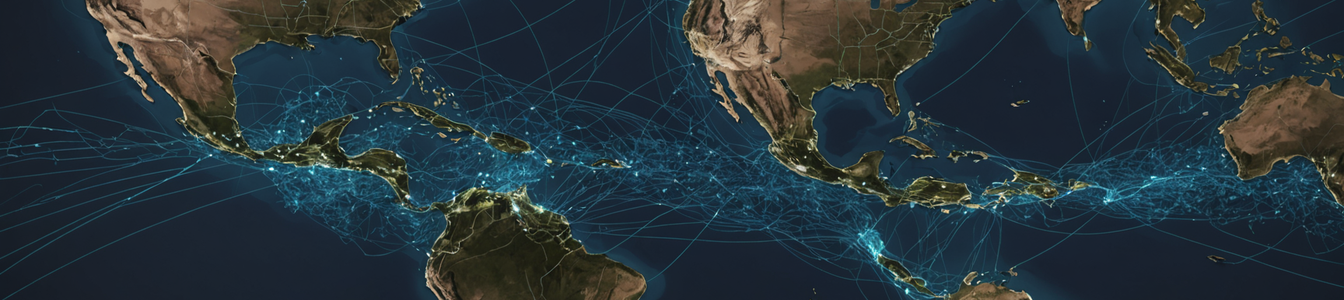
The cybersecurity narrative surrounding geopolitical flashpoints like the Strait of Hormuz has been narrowly focused on energy infrastructure and fuel supply chains. However, a deeper analysis reveals a more insidious and widespread threat: a cascading crisis creating critical blind spots in Security Operations Centers (SOCs) across sectors far removed from the initial conflict. As tensions with Iran flare, the secondary and tertiary economic shockwaves—spiking food prices, crippled agricultural projects, and strained public services—are creating a perfect storm of distraction and vulnerability that sophisticated threat actors are poised to exploit.
The Primary Distraction and the Secondary Front
The immediate SOC focus during a geopolitical crisis is understandably on protecting oil and gas infrastructure, financial markets, and government networks. This creates a resource drain, pulling top-tier analysts, threat intelligence resources, and defensive tools toward the perceived epicenter. Meanwhile, the real shockwave, as one analysis notes, "will not start from the pump, but from the factories"—and, we argue, from the fields, ports, and supply chains that sustain global stability.
Reports indicate that the closure or threat to the Strait of Hormuz doesn't just affect oil tankers. It triggers a domino effect: shipping insurance premiums skyrocket, global logistics are rerouted at immense cost, and the price of fundamental commodities like rice in Asia soars due to supply fears. These economic pressures create new attack surfaces. For instance, the urgent need to finish 225 irrigation projects in India, now requiring an estimated ₹2.5 lakh crore, highlights how critical agricultural infrastructure becomes a priority. This rush to fund and digitize such projects often outpaces security considerations, leaving SCADA systems controlling water distribution and new AgriTech platforms vulnerable.
Technical Blind Spots in the Cascading Sectors
SOCs traditionally configured for corporate IT environments or even industrial control systems (ICS) in manufacturing are ill-equipped for the unique threat landscape of food and agriculture. The cascading crisis exposes several key blind spots:
- Convergence of IT and OT in Agri-Infrastructure: Modern farms and irrigation networks rely on a blend of IoT sensors, cloud-based management platforms, and legacy OT. SOCs often lack the specialized monitoring tools and protocol knowledge (e.g., Modbus, DNP3 in agricultural contexts) to detect anomalies in soil moisture systems or automated harvesters, which could be sabotaged to create artificial scarcity.
- Supply Chain Logistics Platforms: The software managing global food logistics—from temperature-controlled shipping to customs clearance—becomes a high-value target. A ransomware attack on a major port's logistics software during a period of rerouted shipping, as suggested by Hormuz tensions, could cause catastrophic delays, spoilage, and further price inflation. SOCs may not have these third-party platforms in their threat models.
- Commodity Trading and Pricing Systems: As prices for staples like rice become volatile, the electronic platforms where these commodities are traded become attractive targets for market manipulation via cyber attacks. Data integrity attacks could falsely inflate or deflate prices, causing panic and real-world economic harm. Detecting such fraud requires niche financial threat intelligence often absent in standard SOC feeds.
- Public Service and Consumer Impact Systems: Warnings of potential £470 annual bill increases for consumers in regions like Scotland due to rising food costs point to the final link in the chain. The public-facing systems for utility assistance, government food subsidy programs, and retail inventory management will face increased load and scrutiny. These are prime targets for DDoS attacks by hacktivists or fraud campaigns exploiting public anxiety, further stretching SOC resources thin.
The Adversary's Playbook in a Crisis
Advanced Persistent Threat (APT) groups, particularly those with state alignment, understand this cascade. Their playbook likely involves:
- Phase 1: Direct Attack on Energy/Government. This consumes defender attention.
- Phase 2: Lateral Pivot to Secondary Sectors. Exploiting the fact that SOCs for agricultural conglomerates, shipping firms, and commodity exchanges are on lower alert and may have weaker defenses.
- Phase 3: Hybrid Impact. Combining cyber attacks (e.g., disabling irrigation control systems in a breadbasket region) with information operations that blame the resulting food shortages and price hikes on geopolitical adversaries, thereby amplifying social unrest.
Strategic Recommendations for SOC Resilience
To mitigate these cascading blind spots, SOC leaders must adopt a more holistic, intelligence-driven approach:
- Expand the Threat Model: Proactively include suppliers, logistics partners, and agricultural technology providers in security assessments and threat intelligence sharing. Understand the software and hardware dependencies of the physical supply chain.
- Develop Sector-Specific Playbooks: Create incident response runbooks for scenarios targeting food security and agricultural OT. Partner with industry experts to understand normal operations and identify critical nodes.
- Enhance Visibility with Specialized Tools: Invest in monitoring solutions that can parse OT protocols used in agriculture and water management. Integrate geopolitical risk feeds with technical threat intelligence to anticipate secondary sector targeting.
- Stress-Test Cross-Sector Dependencies: Conduct tabletop exercises that simulate a combined energy disruption and subsequent attack on food distribution logistics. This reveals communication gaps and resource conflicts between teams focused on different parts of the cascade.
- Foster Public-Private Intelligence Sharing: Encourage information sharing forums that include players from the agriculture, transportation, and public utility sectors, not just finance and energy.
The closure of the Strait of Hormuz is not merely a shipping lane issue; it is a trigger for systemic cyber risk redistribution. The most significant threats in the next geopolitical crisis may not be to the power grid itself, but to the systems that put food on the table after the lights come back on. SOCs that fail to widen their aperture beyond the primary conflict will be fighting the last war while losing the next, more diffuse, and fundamentally more destabilizing one.
Comentarios 0
Comentando como:
¡Únete a la conversación!
Sé el primero en compartir tu opinión sobre este artículo.
¡Inicia la conversación!
Sé el primero en comentar este artículo.