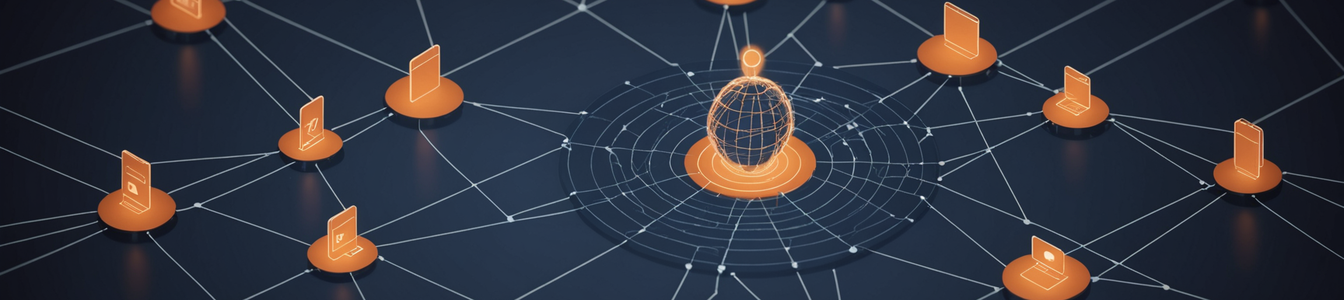
The cybersecurity landscape is once again reminded that an organization's defenses are only as strong as its weakest link—and that link is often found outside its own network. Canadian telecom operator Freedom Mobile has become the latest victim of a supply-chain attack, with hackers breaching its systems by compromising a third-party subcontractor's account on a critical customer management platform.
The Breach Vector: A Third-Party Weak Point
The attack did not target Freedom Mobile's core infrastructure directly. Instead, threat actors focused on a less-secure access point: the credentials of an external subcontractor with legitimate access to the telecom's customer account management system. By obtaining these credentials—potentially through phishing, credential stuffing, or another method—the attackers gained a foothold in a platform housing sensitive customer data. This method of attack bypasses the primary security investments of the target organization, exploiting the often-lower security maturity of smaller vendors or partners in the supply chain.
Scope and Impact of the Data Exposure
While Freedom Mobile has not disclosed the exact number of affected individuals, the breach exposed a range of personal identifiable information (PII). The compromised data includes customer names, email addresses, phone numbers, and details related to their service accounts. The exposure of such information creates immediate risks for affected customers, including targeted phishing campaigns (smishing and spear-phishing), identity theft attempts, and potential account takeover fraud. The company has stated it is directly notifying impacted customers and has reported the incident to the Office of the Privacy Commissioner of Canada.
The Persistent Problem of Third-Party Risk
This incident is a textbook example of third-party or supply-chain risk, a challenge that continues to plague organizations globally. Many companies rigorously assess their direct vendors but fail to maintain the same level of scrutiny over their vendors' subcontractors (fourth-party risk) or the specific user accounts granted to external personnel. The breach suggests potential gaps in several security areas: insufficient access controls for third-party accounts (such as a lack of role-based permissions or multi-factor authentication), inadequate monitoring of third-party account activity, and possibly weak credential management policies at the subcontractor level.
Lessons for the Cybersecurity Community
For cybersecurity professionals, the Freedom Mobile breach reinforces several critical action points:
- Extend Security Governance: Security assessments and contractual obligations must flow down the entire supply chain. Organizations need clear clauses mandating security standards, including MFA, for any external party accessing their systems.
- Implement Zero-Trust Principles: Adopt a "never trust, always verify" approach for every access request, regardless of its source (internal or external). Access should be granular, time-bound, and continuously evaluated.
- Enhance Monitoring and Anomaly Detection: Security teams must have visibility into the activity of all accounts, especially privileged and third-party ones, on critical platforms. User and Entity Behavior Analytics (UEBA) can help detect anomalous logins or data access patterns.
- Prioritize Credential Security: Enforce strict password policies and mandate the use of phishing-resistant MFA for all external collaborators. Consider moving toward passwordless authentication or dedicated vendor access portals where feasible.
Moving Forward: Beyond Compliance
Merely having a vendor risk management questionnaire is no longer sufficient. Proactive defense requires continuous monitoring of third-party security postures, regular access reviews to ensure privileges are still required, and incident response plans that explicitly include third-party breach scenarios. The Freedom Mobile incident demonstrates that attackers are strategically targeting the interconnected digital ecosystem. Defenders must, therefore, secure not just the castle, but every gate, path, and trusted merchant that leads to its doors.
As regulatory pressures around data privacy increase globally, such breaches also carry significant financial and reputational consequences. Investing in a robust third-party risk management program is not just a technical necessity but a core business imperative for resilience in the modern threat landscape.
Comentarios 0
Comentando como:
¡Únete a la conversación!
Sé el primero en compartir tu opinión sobre este artículo.
¡Inicia la conversación!
Sé el primero en comentar este artículo.