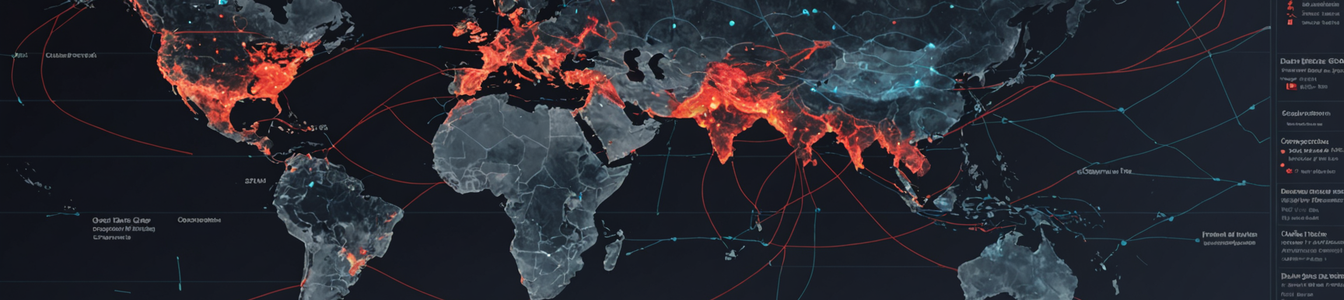
The global transportation sector is navigating its most turbulent period in recent memory, not due to a pandemic or natural disaster, but a geopolitical shockwave emanating from the escalating conflict between the United States and Iran. The immediate economic impact is stark: West Texas Intermediate (WTI) crude oil prices have surged past $115 per barrel, a direct result of supply chain disruptions and market panic. This price spike is not a distant financial metric; it is a live operational crisis cascading through every link in the transportation chain, placing unprecedented strain on the cybersecurity teams tasked with protecting this critical infrastructure.
From Boardroom to SOC: The Ripple Effect of Fuel Costs
The financial mechanics are brutally simple. Major airlines like AirAsia X and carriers in Indonesia have been forced to implement significant fuel surcharges, directly increasing ticket prices. This move, while economically necessary, triggers a chain reaction. Consumer behavior shifts, as evidenced by rising sales of electric bicycles in markets like Australia, where individuals seek to bypass soaring fuel costs. In the automotive sector, the situation is described as a "cruel irony" by industry experts, where high gas prices coincide with policy shifts away from electric vehicle incentives, creating market confusion and financial pressure on manufacturers and logistics fleets alike.
For Chief Information Security Officers (CISOs) and Security Operations Center (SOC) managers in transportation companies, this economic pressure manifests as a multi-vector threat to their security posture.
The Dual Overload: Human Risk and Resource Diversion
First, the human element becomes a critical vulnerability. Employees across airlines, shipping companies, trucking fleets, and logistics hubs are under intense personal financial stress due to the broader economic impact of fuel inflation. This stress creates a fertile ground for social engineering. SOCs are reporting a marked increase in sophisticated, financially-themed phishing campaigns. These emails and messages, often impersonating internal HR, finance, or union representatives, offer fake relief funds, bogus overtime payments for crisis management, or fraudulent updates to payroll systems to "adjust for hardship." A distracted, anxious employee is significantly more likely to click a malicious link or disclose credentials, bypassing millions of dollars in technical controls.
Second, the SOC itself faces a crippling resource diversion. Cybersecurity is often viewed as a cost center. When operational budgets are eviscerated by fuel costs, security investments in new tools, threat intelligence subscriptions, or additional headcount are the first to be frozen or cut. Simultaneously, the SOC's workload increases. They must now dedicate significant analyst time to monitoring internal fraud and insider threat scenarios driven by economic desperation. Furthermore, the physical disruption to logistics—rerouted shipments, altered schedules, chaotic supply chains—creates abnormal digital traffic patterns that can mask malicious activity, forcing analysts to investigate countless false positives.
Systemic Vulnerabilities Exposed
This crisis exposes a fundamental flaw in the resilience planning for critical infrastructure sectors: the assumption that cybersecurity budgets and focus can remain stable during a severe operational shock. The transportation sector's SOCs are built to handle cyber threats, not to operate as auxiliary units during a full-scale economic and logistical breakdown. Key systems—from airline reservation and crew management platforms to port logistics automation and freight management systems—remain under constant threat while the organization's attention is forcibly shifted to survival.
The convergence of physical and digital risk has never been more pronounced. An attacker, whether a nation-state actor seeking to exploit instability or a cybercriminal gang capitalizing on chaos, now faces a defense apparatus that is distracted, under-resourced, and managing a human workforce under duress. The attack surface expands not through new technology, but through eroded human resilience and stretched-thin security teams.
Adaptation Under Fire
Leading SOCs in the sector are being forced to adapt in real-time. Strategies observed include:
- Hyper-Targeted Awareness Training: Shifting from general security awareness to specific, just-in-time training focused on financial phishing lures and crisis-related scams.
- Automation Prioritization: Doubling down on Security Orchestration, Automation, and Response (SOAR) playbooks to handle the increased alert volume with existing staff, particularly for triaging fraud-related incidents.
- Threat Intelligence Recalibration: Partnering with intelligence providers to gain specific insights into threat actors known to exploit economic crises and geopolitical turmoil.
- Collaborative Defense: Increasing information sharing within the transportation sector through ISACs (Information Sharing and Analysis Centers) to identify cross-industry phishing campaigns and shared vulnerabilities.
The current geopolitical-fueled crisis is a stark stress test. It proves that the security of our global mobility infrastructure is inextricably linked to commodity prices and international relations. For cybersecurity leaders, the mandate is clear: build resilient security programs that can withstand not just technical attacks, but also the severe operational and financial shocks that leave digital doors wide open.
Comentarios 0
Comentando como:
¡Únete a la conversación!
Sé el primero en compartir tu opinión sobre este artículo.
¡Inicia la conversación!
Sé el primero en comentar este artículo.