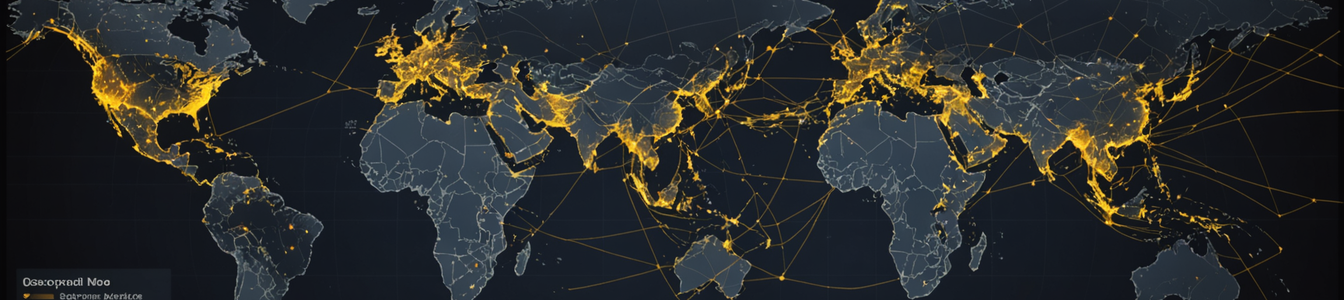
The cybersecurity landscape is no longer shaped solely by software vulnerabilities and criminal innovation. It is increasingly dictated by the shockwaves of sudden geopolitical announcements, creating immediate and often unforeseen pressure points for Security Operations (SecOps) teams worldwide. The recent cascade of events—from the political shock of potential U.S. territorial moves in Greenland to the strategic seizure of Venezuelan oil and escalating Gulf tensions—demonstrates a new paradigm where geopolitical surprise is a potent cyber weapon. For CISOs and security leaders, the challenge has shifted from defending against known threats to building resilience against the unknown cascading effects of a breaking news headline.
The Greenland Gambit and Transatlantic Digital Fault Lines
Reports of urgent parliamentary sessions in Denmark following U.S. announcements regarding Greenland signal more than a diplomatic rift. They reveal immediate digital vulnerabilities. Historically, such sudden territorial or sovereignty disputes trigger a spike in cyber reconnaissance and probing attacks against government networks, critical infrastructure operators, and corporations with interests in the affected region. SecOps teams for companies involved in Arctic logistics, mining, telecommunications, or energy must now anticipate targeted spear-phishing campaigns disguised as diplomatic updates, increased scanning of external network perimeters from new IP ranges, and potential insider threats from politically motivated employees. The lack of prior intelligence "runway" means threat models become obsolete overnight, forcing a reactive security posture that is inherently weaker.
Venezuelan Oil Seizure: Energy Sector in the Crosshairs
The reported capture of Venezuelan oil assets and subsequent market reactions highlight a direct threat vector for the global energy sector. Michael Burry's characterization of this event as a "paradigm shift" extends beyond finance into cybersecurity. When a nation-state's key economic assets are abruptly targeted, retaliatory cyber campaigns are a likely, deniable tool. Energy companies, particularly those seen as benefiting from the move or those with global operations, must prepare for sophisticated attacks. These could range from disruptive ICS/OT attacks targeting operational technology in refineries and pipelines to complex supply chain compromises via third-party vendors in the energy logistics network. The surge in related oil stock values also makes these companies more attractive targets for financially motivated actors seeking to exploit market volatility through ransomware or data theft for insider trading.
The Yemeni Catalyst and Proxy Cyber Warfare
Simmering tensions in Yemen and the broader Gulf region represent a perennial flashpoint with direct cyber implications. Separatist movements and regional rivalries are increasingly fought in the digital domain. For multinational corporations with infrastructure, partners, or data flows through the Middle East, this translates to a heightened risk of becoming collateral damage in a proxy cyber conflict. Attacks may not directly target these corporations but could cripple regional internet exchange points, compromise shared cloud service providers, or unleash wiper malware that spreads indiscriminately across networks. SecOps teams need enhanced visibility into traffic originating from or routed through these regions and must reassess the resilience of their disaster recovery plans if key digital corridors are disrupted.
SecOps in the Age of Geopolitical Surprise: Key Vulnerabilities
These concurrent crises expose specific, systemic weaknesses in modern security programs:
- Intelligence-to-Operation Lag: Threat intelligence feeds often lag behind breaking geopolitical news by critical hours or days. SecOps lacks the context to prioritize alerts related to emerging state-sponsored groups or new tactical patterns.
- Third-Party and Supply Chain Blind Spots: Sudden sanctions, asset seizures, or political ruptures can instantly alter the risk profile of hundreds of third-party vendors and suppliers. Most organizations cannot map and reassess this exposure in real-time.
- Insider Threat Amplification: Political events can polarize workforces. The risk of insiders leaking data or sabotaging systems in response to nationalistic or ideological sentiments spikes but is difficult to detect without pre-established behavioral baselines.
- Cloud and Shared Service Contagion: Geopolitical attacks often target shared infrastructure for maximum impact. An attack on a major cloud region or a telecommunications backbone, motivated by one conflict, can cascade globally, affecting organizations far removed from the original dispute.
Building a Resilient Posture: Actionable Recommendations
To move from reactive to proactive, security leaders must integrate geopolitical risk into their core operational playbooks.
- Fuse Geopolitical and Threat Intelligence: Create a formal process where a daily intelligence brief includes political and diplomatic developments. Security analysts must understand the "why" behind emerging threat actor activity.
- Dynamic Third-Party Risk Scoring: Implement tools or processes that can dynamically adjust the risk score of vendors and partners based on their geographic operational footprint and its alignment with emerging geopolitical flashpoints.
- Scenario-Based "Shockwave" Drills: Conduct tabletop exercises not just for ransomware, but for scenarios like "A major trading partner is suddenly sanctioned" or "A region where we have a data center becomes a conflict zone." Test your team's ability to reroute traffic, failover services, and secure assets under political duress.
- Segment for Political Risk: Apply stringent network segmentation and zero-trust principles to assets and data flows that are most likely to be targeted due to their geographic or sectoral relevance to a potential crisis.
- Enhance Insider Threat Monitoring Context: Correlate employee access patterns and behavioral analytics with major world events to identify potential insider risks triggered by external political shocks.
The lesson from this week's geopolitical shocks is clear: the attack surface is now psychological and political as much as it is digital. The most significant vulnerability may be a SecOps team that is still waiting for an IOC (Indicator of Compromise) to appear, while the threat actors are already mobilizing in response to a headline. In this new era, cybersecurity readiness is inextricably linked to global awareness and adaptive resilience.
Comentarios 0
Comentando como:
¡Únete a la conversación!
Sé el primero en compartir tu opinión sobre este artículo.
¡Inicia la conversación!
Sé el primero en comentar este artículo.