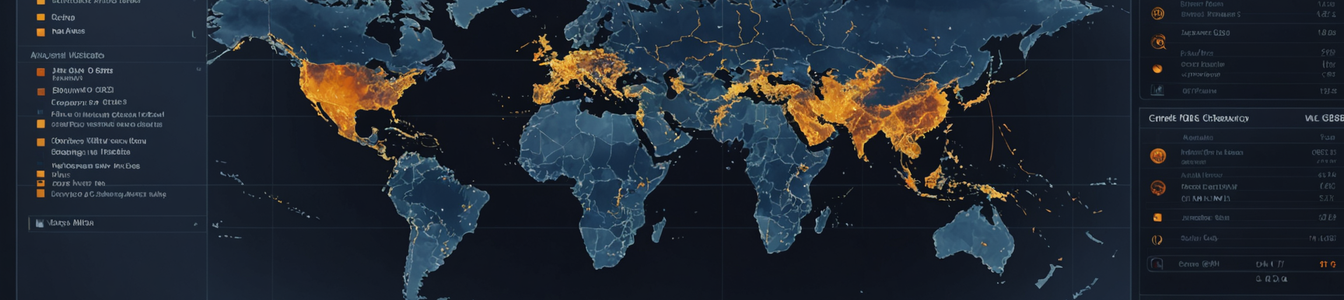
The global security landscape is undergoing a severe stress test. Headlines scream of diplomatic expulsions, embassy closures, and saber-rattling between major powers. While these events dominate political discourse, they trigger a parallel, silent crisis within the nerve centers of corporate and governmental cybersecurity: the Security Operations Center (SOC). The current spike in tensions—exemplified by Russia expelling a British diplomat over spying allegations, the UK shuttering its Tehran embassy citing security fears, and volatile rhetoric between the US and Iran—is not just a political problem. It is a direct, multi-vector operational threat that overwhelms defenders with noise while obscuring real attacks.
The Core Challenge: Signal vs. Noise in a Geopolitical Storm
For a SOC analyst, a geopolitical flare-up acts like a thunderclap on their threat intelligence feeds. The immediate effect is a massive influx of data and alerts. Hacktivist groups, often aligned with state interests or motivated by nationalism, launch distributed denial-of-service (DDoS) attacks and website defacements. Threat intelligence vendors flood subscribers with bulletins about advanced persistent threat (APT) groups potentially linked to the involved nations. Phishing campaigns leveraging the crisis as a lure see a marked increase in volume and sophistication. The financial markets' shift, with investors flocking to the Japanese yen and precious metals as seen in recent trading, is a macroeconomic indicator of the uncertainty that cybersecurity teams feel at the micro level: a pervasive sense of heightened risk without clear direction.
This creates a perfect storm for alert fatigue. Analysts are forced to triage a mountain of potential incidents, many of which are low-skill hacktivist noise, while knowing that buried within could be the initial reconnaissance activity of a state-sponsored actor targeting their organization's intellectual property or critical infrastructure. The challenge is no longer just detecting threats; it's contextualizing them accurately amidst a hurricane of irrelevant data.
Specific SecOps Pain Points
- Threat Intelligence Overload: SOCs are inundated with reports linking new indicators of compromise (IoCs) to geopolitical events. Correlating these IoCs with internal telemetry becomes a resource-intensive task, often pulling senior analysts away from proactive hunting.
- Asset Exposure Management: For multinational corporations, the physical security of overseas offices and personnel becomes intertwined with cybersecurity. An embassy closure or diplomatic expulsion in a region may necessitate a rapid review of the security posture for corporate assets in that same area, including network access points and local data storage.
- Attribution Ambiguity: State-sponsored actors frequently use hacktivist collectives as a front or launchpad. An attack claiming to be from 'Patriotic Hackers of Country X' may, in fact, be a false flag or a deniable proxy for a more sophisticated entity. This ambiguity complicates incident response and strategic planning.
- Supply Chain Vulnerabilities: Geopolitical tensions increase the risk of supply chain attacks. A SOC must reassess the risk profile of vendors and software originating from, or with significant operations in, the involved regions.
Strategies for Navigating the Geopolitical Stress Test
To avoid being paralyzed by the noise, SOCs must adopt a more strategic, intelligence-driven posture:
- Enhance Contextual Tuning: Work with threat intelligence providers to fine-tune feeds based on the organization's specific geographic footprint, industry sector, and risk appetite. Filter out generic 'geopolitical tension' alerts in favor of those tied directly to relevant threat actors or tactics.
- Implement Threat-Led Penetration Testing (TLPT): Simulate attacks based on the specific tradecraft of APT groups likely to be active or emboldened by the current tensions. This moves defense from a reactive to a proactive and validated stance.
- Establish Geopolitical Risk Triggers: Integrate geopolitical event monitoring into the security orchestration, automation, and response (SOAR) playbooks. A predefined trigger—like a major diplomatic expulsion—can automatically initiate a series of actions, such as increasing log verbosity for assets in related regions or re-scanning for specific vulnerabilities associated with likely adversaries.
- Strengthen External Attack Surface Management (EASM): Continuously discover and assess all internet-facing assets, especially in politically sensitive regions. Understanding your digital footprint is the first step in protecting it from opportunistic scanning and attacks that spike during crises.
- Foster Cross-Functional Collaboration: The SOC must break out of its silo. Regular briefings with legal, communications, physical security, and executive teams ensure that cybersecurity measures are aligned with the organization's overall risk management strategy during a crisis.
The current climate is not an anomaly; it is the new normal. Geopolitical volatility has become a persistent background condition for security operations. The SOCs that will thrive are those that move beyond simply monitoring alerts and instead build resilient processes that can dynamically adapt to the world's political tremors. By refining their ability to separate the critical signal from the deafening noise, they transform a source of overwhelming stress into a manageable—and even predictable—operational variable.
Comentarios 0
Comentando como:
¡Únete a la conversación!
Sé el primero en compartir tu opinión sobre este artículo.
¡Inicia la conversación!
Sé el primero en comentar este artículo.