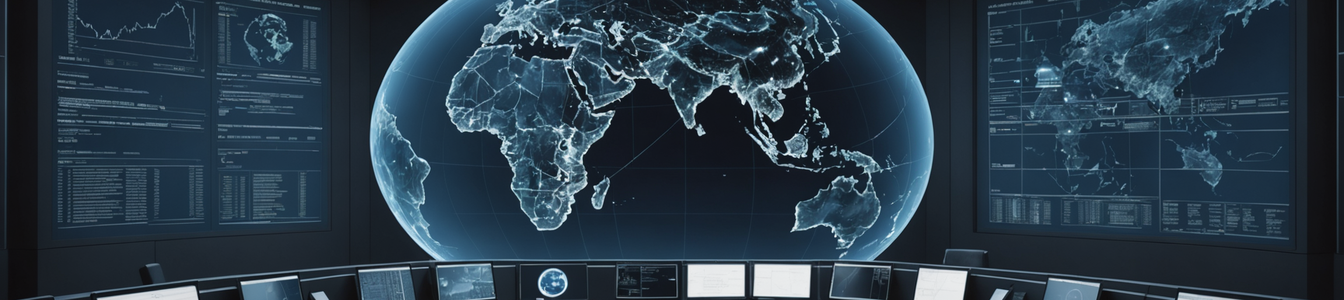
A new category of security incident is emerging at the intersection of international diplomacy and cybersecurity, one that Security Operations Centers (SOCs) are woefully unprepared to handle. The recent events surrounding former U.S. President Donald Trump's public sharing of private diplomatic communications have triggered what experts are calling a 'geopolitical SecOps crisis.' This incident, involving leaked chat content with French President Emmanuel Macron and revelations about discussions with Norwegian leadership regarding Greenland and the Nobel Peace Prize, illustrates a dangerous trend: private political discourse becoming a public attack surface.
The Incident: From Diplomacy to Digital Threat Vector
According to multiple reports, Trump publicly posted details from a private exchange with French President Macron, exacerbating existing tensions over issues like tariffs on French wine. In a separate but related disclosure, Trump linked his administration's controversial stance on acquiring Greenland to his frustration over not receiving the Nobel Peace Prize in communications with Norwegian officials. Norway oversees the Nobel Committee. These actions, whether intended as political messaging or not, had an immediate and profound effect on the global cybersecurity landscape.
For security teams, the content of the leaks is less relevant than their existence and form. Private chat logs, message excerpts, and the tone of confidential diplomatic channels are now in the wild. Threat actors, particularly state-sponsored Advanced Persistent Threat (APT) groups, now possess a goldmine of information for social engineering campaigns.
The Immediate SecOps Fallout: A Three-Front Crisis
- Spear-Phishing & Business Email Compromise (BEC) Onslaught: Within hours of the leaks becoming public, security firms observed a spike in highly targeted spear-phishing campaigns. These emails and messages mimic the style and substance of the leaked communications, targeting employees at corporations involved in transatlantic trade, defense contracting, and diplomatic services. The authenticity provided by real, leaked dialogue dramatically increases click-through rates.
- Attribution Scramble and Retaliation Fears: SOCs for multinational corporations, especially those with French, Norwegian, or U.S. government ties, were placed on high alert. The primary question was attribution: Was this a deliberate leak by a political figure, or was it the result of a compromise of personal or official communication devices? The distinction matters immensely for response. If a device was compromised, what else was taken? If it was deliberate, what retaliatory cyber actions might be taken by affected states? SOCs found themselves analyzing geopolitical motives alongside SIEM alerts.
- Third-Party Communication Platform Review: The incident forced a sudden and urgent review of all third-party communication platforms used for sensitive discussions. The assumption that 'private' chats on even secured platforms are safe from public disclosure by one of the participants upends traditional security models. SecOps teams are now tasked with implementing technical controls (like screenshot prevention and message expiration) and policy changes for executive communications, a complex challenge when dealing with world leaders and C-suite executives accustomed to convenience.
The Broader Impact: Redefining the Threat Model
This incident proves that the threat model for organizations operating internationally must expand. It is no longer sufficient to guard against external hackers and malicious insiders. The model must now account for 'geopolitically exposed persons' (GEPs)—executives, board members, or partners whose political actions or statements can trigger cyber retaliation against the entire organization. The attack vector is not a vulnerability in software, but a revelation in the press.
Recommendations for Security Teams
- Develop a Geopolitical Cyber Threat Playbook: Integrate geopolitical news monitoring into threat intelligence feeds. Establish clear protocols for when a key executive or partner is involved in a public international dispute.
- Enhance Executive Digital Hygiene: Move beyond basic training. Implement hardened, separate communication channels for sensitive international business, with mandatory use policies. Consider hardware security keys and managed devices for all diplomatic or high-stakes corporate communications.
- Practice 'Influence Campaign' Incident Response: Tabletop exercises should now include scenarios where fake news or real leaked communications are used in coordinated disinformation and phishing campaigns against the company's workforce and clients.
- Strengthen Partner/Vendor Due Diligence: Assess the geopolitical exposure of your critical vendors. Do they have leadership that is actively involved in international politics? This represents a new form of supply chain risk.
Conclusion: The New Normal for Global SecOps
The Trump-Macron-Norway leak incident is not an anomaly; it is a precedent. In an era of heightened geopolitical tensions and ubiquitous personal communication technology, the line between political scandal and cybersecurity incident has blurred beyond recognition. Security operations are no longer just about defending the network perimeter; they are about navigating the fallout from the global political stage. Proactive preparation for this 'geopolitical spillover' is now a non-negotiable component of mature enterprise security programs. SOCs must evolve to become as adept at analyzing political risk as they are at parsing malware signatures.
Comentarios 0
Comentando como:
¡Únete a la conversación!
Sé el primero en compartir tu opinión sobre este artículo.
¡Inicia la conversación!
Sé el primero en comentar este artículo.