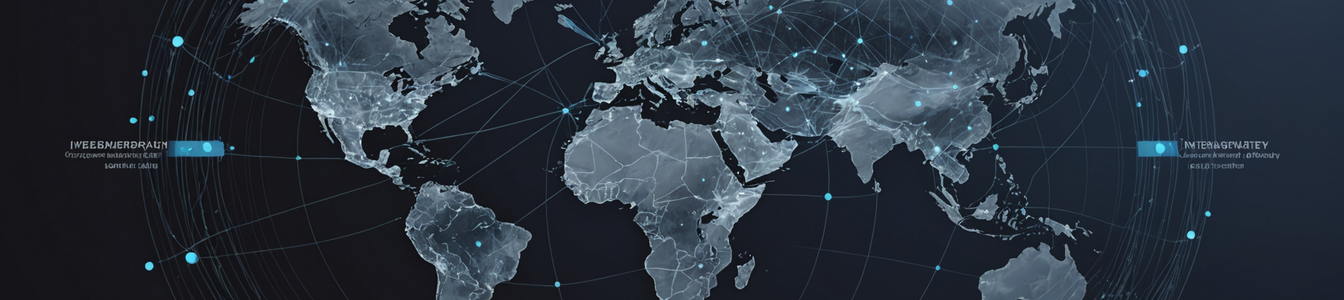
The global cybersecurity landscape is no longer shaped solely by technological innovation and threat actor evolution. A powerful, and often overlooked, force is now exerting profound influence: geopolitics. From diplomatic handshakes to regional conflicts and domestic political shifts, international relations are directly impacting where talent is trained, how it moves across borders, and the stability of the educational partnerships designed to build a skilled cyber workforce. This interconnected reality demands that CISOs, talent acquisition leaders, and policymakers develop a new lens—one that views talent strategy through a geopolitical prism.
Strategic Alliances Forge New Talent Pipelines
A prime example of positive geopolitical influence is the recent deepening of ties between India and Canada. Following a high-level meeting between Prime Ministers Narendra Modi and Mark Carney, the two nations have solidified their partnership through academia. The signing of 13 new university agreements represents a significant institutional commitment to cross-border knowledge exchange. Crucially, this includes plans for McGill University to establish a dedicated Artificial Intelligence center, a move with direct implications for cybersecurity. AI and machine learning are now foundational to advanced threat detection, security automation, and defensive tool development. By co-creating such specialized educational hubs, allied nations are effectively building shared, high-skill talent pools for critical future technologies. These agreements create formal pathways for student exchanges, joint research in secure AI, and the development of curricula that reflect both nations' security priorities, reducing reliance on ad-hoc training and fostering a more predictable talent pipeline.
Conflict and Instability Disrupt Critical Sectors
In stark contrast, escalating geopolitical tensions can sever talent flows and destabilize regional security postures. The ongoing conflict involving Iran has triggered significant disruptions to oil supplies for dependent Asian economies. Beyond the immediate economic shock, this instability poses a severe, cascading cybersecurity risk. The energy sector is a high-value target for cyberattacks, and periods of operational stress and supply chain fragility make it even more vulnerable. For cybersecurity professionals in these Asian countries, the crisis translates into intense pressure to defend suddenly more exposed infrastructure, potential talent poaching as companies scramble to bolster defenses, and a possible brain drain if the conflict threatens long-term economic stability. Furthermore, multinational corporations with operations in the region may be forced to rapidly relocate or insulate their security teams, disrupting local talent markets and international collaboration projects. This scenario underscores how a regional conflict can create immediate, tangible talent retention and operational security challenges far from the physical battlefield.
The Fragile Diplomacy Underpinning Global Skilling
The broader diplomatic stage further highlights the precarious foundation of global talent initiatives. High-profile multilateral forums, such as the United Nations Security Council meeting chaired by U.S. First Lady Melania Trump, set the tone for international cooperation. The agendas and outcomes of such meetings—often focused on broad themes of security, stability, and technological governance—create the political atmosphere in which detailed agreements on cybersecurity education and workforce standards are negotiated. A shift towards unilateralism or heightened bilateral tensions in these forums can quickly cool enthusiasm for shared skilling programs.
Similarly, internal political dynamics within nations can alter their commitment to global partnerships. Greenland's participation in the Danish election, serving as a barometer for independence sentiments, is a case in point. A significant move towards Greenlandic independence would trigger a complex realignment of its foreign, educational, and cybersecurity policies, potentially affecting its role in existing Arctic security alliances and data sharing agreements with NATO partners like Denmark. For cybersecurity, such a change could redirect funding for technical education, alter data sovereignty laws, and impact collaboration on securing the Arctic's emerging digital infrastructure.
Implications for Cybersecurity Leadership
For Chief Information Security Officers and technology leaders, this new reality necessitates a proactive, geopolitically-informed approach to talent management and risk assessment.
- Diversify Talent Partnerships: Relying on a single country or region for talent sourcing or academic collaboration is a strategic risk. Organizations should cultivate a portfolio of educational and recruitment partnerships across politically diverse and stable regions, mirroring the strategy of diversifying a supply chain.
- Build Diplomatic Awareness: Security leaders must expand their situational awareness to include the political health of key partner countries. Monitoring diplomatic developments, trade agreements, and internal stability can provide early warning signs of potential disruptions to talent pipelines or collaborative research projects.
- Advocate for Resilient Policy: The private sector should engage with policymakers to advocate for international agreements that protect educational exchanges and workforce mobility in cybersecurity, even during periods of diplomatic strain. Framing these as essential to collective digital security, rather than mere academic cooperation, can help insulate them from political shocks.
- Stress-Test Talent Contingency Plans: Just as organizations conduct cyber war games, they should develop and test contingency plans for the sudden loss of access to a key talent region or the dissolution of a critical university partnership. This includes identifying alternative training providers and cross-training internal teams.
In conclusion, the flow of cybersecurity talent has become a direct reflection of the global political order. The collaborative agreements between India and Canada demonstrate the opportunity to build resilient, future-proof skill alliances. Conversely, the instability in the Middle East and the subtle tests of political unions like the Danish realm reveal the inherent vulnerabilities. Success in securing our digital future will depend not only on defending networks but also on navigating the complex and shifting diplomatic landscapes that determine who builds and maintains those defenses.
Comentarios 0
Comentando como:
¡Únete a la conversación!
Sé el primero en compartir tu opinión sobre este artículo.
¡Inicia la conversación!
Sé el primero en comentar este artículo.