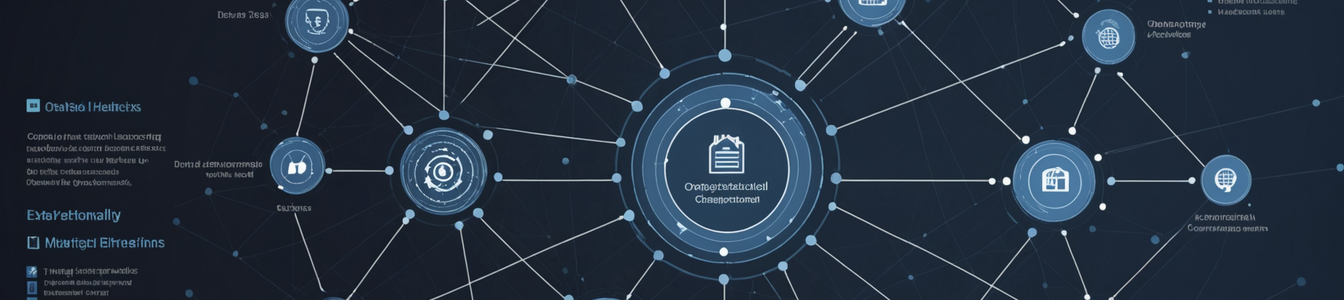
The cybersecurity compliance landscape is undergoing a significant workforce transformation as organizations increasingly adopt hybrid delivery models that blend domestic leadership with international talent pools. This strategic shift is reshaping how security teams approach regulatory requirements while maintaining operational efficiency and cost-effectiveness.
Accountably's recent expansion of structured India delivery operations represents a growing trend in the compliance sector. The company is establishing a U.S.-led presence with carefully engineered offshore capabilities, creating a model that combines American regulatory expertise with global talent accessibility. This approach allows organizations to maintain critical oversight and decision-making within jurisdictions familiar with local compliance requirements while leveraging cost-effective international resources for implementation and monitoring tasks.
The timing of this expansion coincides with increased regulatory pressure across multiple industries. Financial institutions, healthcare organizations, and technology companies face ever-evolving compliance mandates that require specialized expertise. The hybrid model addresses this challenge by providing access to diverse skill sets while controlling operational costs.
Simultaneously, the Australian Securities Exchange (ASX) has appointed Lucinda McCann as its new Chief Compliance Officer, underscoring the continued importance of strong executive leadership in compliance functions. McCann's appointment comes at a critical juncture as the exchange faces pressure to deliver on its turnaround plan and strengthen its regulatory posture. This high-profile appointment demonstrates that while operational models may be evolving, the need for experienced compliance leadership remains paramount.
The convergence of these developments highlights several key trends in compliance workforce management. Organizations are moving away from purely domestic or entirely offshore models toward more sophisticated hybrid approaches. These models recognize that compliance requires both deep regulatory knowledge typically found in local markets and the operational scalability offered by global talent pools.
For cybersecurity teams, this transformation presents both challenges and opportunities. Security professionals must now navigate cross-border data protection regulations, manage distributed team security protocols, and ensure consistent compliance monitoring across different jurisdictions. The distributed nature of these teams requires robust security frameworks that can protect sensitive compliance data while enabling efficient collaboration.
The talent implications are equally significant. Compliance professionals now need broader skill sets that include cross-cultural communication, international regulatory knowledge, and distributed team management capabilities. Organizations must develop training programs that address these evolving requirements while maintaining focus on core cybersecurity principles.
Technology plays a crucial role in enabling this transformation. Cloud-based compliance platforms, secure collaboration tools, and automated monitoring systems are essential for managing distributed compliance operations. These technologies help maintain consistency and visibility across geographically dispersed teams while ensuring adherence to security protocols.
Looking forward, the compliance workforce transformation shows no signs of slowing. As regulatory requirements continue to expand and cybersecurity threats evolve, organizations will need increasingly sophisticated approaches to compliance management. The hybrid model pioneered by companies like Accountably, combined with strong executive leadership exemplified by appointments like McCann's at ASX, provides a roadmap for navigating this complex landscape.
Security leaders should consider several strategic implications. First, talent development strategies must account for the global nature of modern compliance operations. Second, technology investments should prioritize tools that enable secure distributed collaboration. Third, organizational structures need to balance centralized oversight with decentralized execution capabilities.
The evolution of compliance workforce models represents a fundamental shift in how organizations approach regulatory requirements. By combining global talent pools with local expertise and strong leadership, companies can build more resilient, adaptable compliance functions capable of meeting today's complex cybersecurity challenges.
Comentarios 0
Comentando como:
¡Únete a la conversación!
Sé el primero en compartir tu opinión sobre este artículo.
¡Inicia la conversación!
Sé el primero en comentar este artículo.