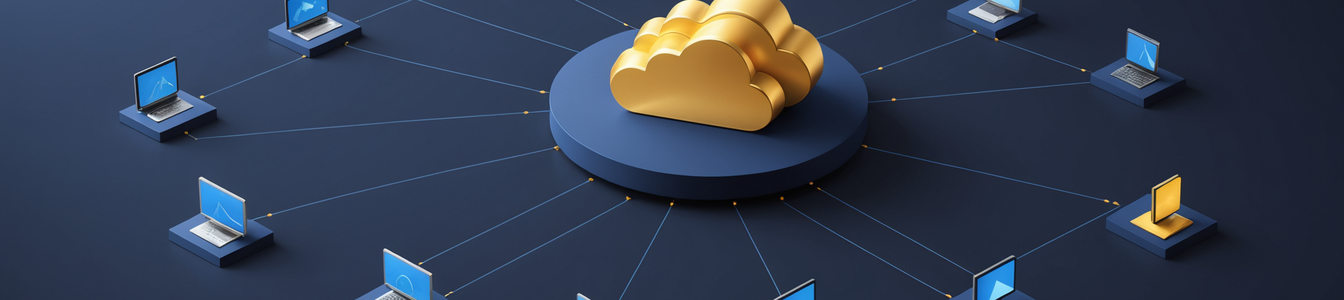
The software procurement landscape is undergoing a fundamental transformation, with cloud marketplaces emerging as critical security and distribution choke points. The recent announcement that SecureKloud's AI-powered document processing solution, DocuGenie.AI, has been officially listed on Google Cloud Marketplace provides a compelling case study in this evolving dynamic. This development represents more than just another product listing—it signals a strategic shift in how enterprise software is validated, distributed, and secured in the cloud era.
The New Security Assurance Layer
Cloud marketplaces like Google Cloud Marketplace are increasingly functioning as de facto security validators. Before gaining listing approval, solutions like DocuGenie.AI must undergo rigorous technical and security reviews that go beyond traditional software certification processes. These reviews typically include vulnerability assessments, compliance verification, and architecture validation against the cloud provider's security standards.
For cybersecurity teams, this creates an additional layer of assurance. When procurement occurs through these channels, security professionals can assume a baseline level of vetting has been performed by the platform provider. This is particularly valuable for AI-powered solutions like DocuGenie.AI, where the complexity of machine learning models and data processing pipelines introduces unique security considerations that may not be apparent in traditional software.
Integrated Billing and Security Implications
The integrated billing model offered by cloud marketplaces presents both security advantages and concerns. From a positive perspective, consolidated billing through a single provider like Google Cloud simplifies financial governance and reduces the attack surface associated with multiple payment systems and vendor relationships. This centralized approach can enhance audit trails and simplify compliance reporting for security teams.
However, this integration also creates deeper platform dependencies. When software procurement, deployment, and billing are all channeled through a single cloud provider's ecosystem, organizations become more vulnerable to platform-specific security incidents and policy changes. The security of the entire software stack becomes increasingly intertwined with the security posture of the marketplace provider.
Supply Chain Security Considerations
Cloud marketplaces are reshaping software supply chain security in profound ways. By serving as centralized distribution points, they create natural bottlenecks where security controls can be implemented. This centralization allows platform providers to enforce security requirements, mandate vulnerability disclosure processes, and implement standardized security testing protocols across their entire marketplace inventory.
For solutions like DocuGenie.AI, which processes sensitive documents, this marketplace validation provides customers with additional confidence in the solution's security architecture. However, it also means that security teams must now evaluate not just the application's security, but also the security implications of the marketplace distribution model itself.
Sovereignty and Control Implications
The growing role of cloud marketplaces as gatekeepers raises important questions about digital sovereignty and control over the software ecosystem. When major cloud providers control both the infrastructure and the distribution channels, they gain unprecedented influence over which security standards prevail and which solutions reach enterprise customers.
This concentration of power creates potential single points of failure in the software supply chain. A security incident affecting a cloud marketplace could potentially compromise access to multiple critical business applications simultaneously. Additionally, platform providers' ability to delist applications based on their own security policies or business considerations introduces new risks that security teams must account for in their continuity planning.
Strategic Recommendations for Security Teams
- Diversify Procurement Channels: While leveraging cloud marketplaces for their security validation benefits, maintain alternative procurement paths for critical applications to avoid over-dependence on single platforms.
- Enhanced Due Diligence: Treat marketplace validation as one component of a comprehensive security assessment, not as a replacement for thorough vendor security evaluations.
- Contractual Security Requirements: Ensure that marketplace agreements include specific security service level agreements (SLAs) and incident response commitments from both the application vendor and the marketplace provider.
- Monitoring and Compliance: Implement enhanced monitoring for marketplace-sourced applications, recognizing that their security is now dependent on multiple parties—the vendor, the marketplace provider, and the underlying cloud infrastructure.
- Exit Strategy Planning: Develop contingency plans for migrating away from marketplace-distributed applications should security concerns or platform changes necessitate such action.
The Future Landscape
As cloud marketplaces continue to evolve, we can expect to see increased standardization of security requirements across platforms. This may lead to more consistent security baselines for cloud applications but could also potentially stifle innovation in security approaches that don't align with platform providers' standardized models.
The case of DocuGenie.AI's Google Cloud Marketplace listing illustrates how individual application deployments are becoming nodes in increasingly complex, platform-controlled software ecosystems. For cybersecurity professionals, understanding and managing the security implications of this shift will be crucial to maintaining robust security postures in the cloud-dominated future.
Ultimately, cloud marketplaces represent both a significant security opportunity and a new category of risk. By providing standardized validation and centralized distribution, they can enhance overall software security. However, their growing role as gatekeepers also introduces new dependencies and potential vulnerabilities that security teams must proactively address through diversified strategies and enhanced due diligence processes.
Comentarios 0
Comentando como:
¡Únete a la conversación!
Sé el primero en compartir tu opinión sobre este artículo.
¡Inicia la conversación!
Sé el primero en comentar este artículo.