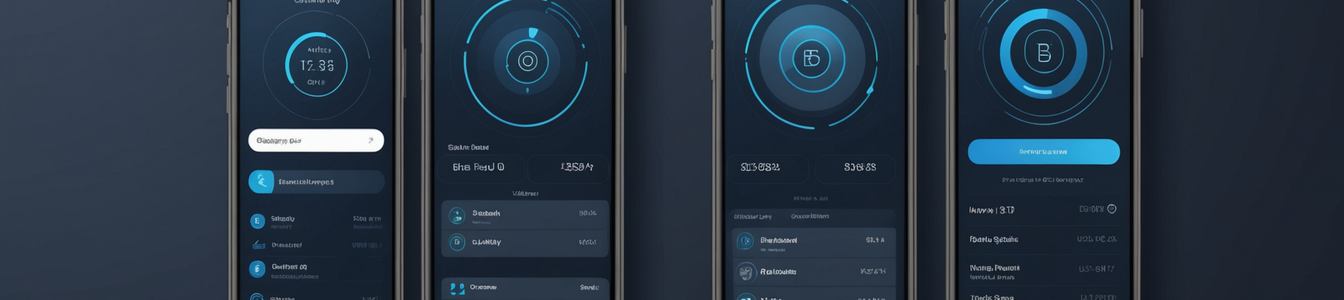
The mobile banking security landscape is facing a paradoxical convergence of challenges, as financial institutions grapple with payment channel vulnerabilities while platform providers prioritize user interface modernization. Recent developments from Lloyds Bank and Google illustrate how security considerations are increasingly reactive to usability and design decisions, creating new friction points for both consumers and security teams.
Lloyds Bank's Google Pay Warning: A Security Red Flag
Lloyds Bank has issued a concerning warning to customers indicating it may restrict or limit their use of Google Pay. While the bank hasn't provided detailed technical reasons, security analysts interpret this move as a response to either:
- Increased fraud attempts exploiting Google Pay's integration layer
- Limitations in Lloyds' own fraud detection systems when transactions route through third-party wallets
- Authentication gaps in the handoff between banking apps and payment platforms
This restriction represents a significant escalation in the tension between seamless digital payments and transaction security. When major financial institutions feel compelled to limit popular payment methods, it suggests underlying security models are struggling to keep pace with fraud evolution. The implication for cybersecurity teams is clear: payment ecosystem integrations require more robust monitoring and control frameworks than currently exist.
Google's Material 3 Overhaul: Security Implications of UI Consistency
Simultaneously, Google is advancing its Material 3 'Expressive' design system across multiple applications with financial connections. The Gmail Android widget has received a complete Material 3 redesign, featuring updated visual elements and interaction patterns. More significantly, Google Meet for Android is implementing 'more Material 3 Expressive' elements, while Gmail for Android is enhancing label management capabilities within the new design framework.
These UI changes create several security considerations:
- User Familiarity Disruption: Major interface changes can confuse users, making them more susceptible to phishing attempts that mimic old interfaces
- Consistency Across Attack Surfaces: As Google applies similar design patterns across financial (Gmail attachments, payment links) and communication (Meet) apps, attackers gain predictable UI elements to exploit
- Widget Security: Redesigned Gmail widgets increase the attack surface for home screen exploits, particularly if they display sensitive information or enable quick actions
- Accessibility Trade-offs: While Material 3 improves visual accessibility, security warnings and authentication prompts might become less prominent in the pursuit of cleaner design
The Banking App Blind Spot: Where UI Meets Security
The convergence of these developments reveals what security professionals are calling 'the banking app blind spot'—the gap between user experience optimization and security implementation. Banks like Lloyds are responding to fraud by restricting functionality (a security-first approach), while platform providers like Google are pushing expansive UI changes (a UX-first approach).
This creates three specific challenges for application security teams:
- Authentication Context Loss: When users navigate between redesigned Google apps and banking interfaces, authentication context can become fragmented, creating opportunities for session hijacking
- Fraud Detection Complexity: UI changes alter user behavior patterns, potentially triggering false positives in fraud detection systems or allowing novel attack patterns to go unnoticed
- Third-Party Dependency Risks: Banks' security postures are increasingly dependent on platform providers' design decisions over which they have little control
Recommendations for Security Teams
- Enhanced Behavioral Analytics: Implement more sophisticated user behavior modeling that can adapt to UI changes while maintaining fraud detection efficacy
- Payment Channel Segmentation: Consider segmenting payment channels based on risk profiles rather than blanket restrictions, preserving usability for low-risk transactions
- UI Change Security Reviews: Establish formal security review processes for major UI/UX changes, assessing both direct vulnerabilities and secondary effects on user security behavior
- Cross-Platform Authentication Standards: Advocate for stronger authentication standards in payment platform integrations, particularly around transaction verification
- User Education During Transitions: Develop specific security guidance for users during major UI transitions, highlighting what security elements will change and how to recognize legitimate interfaces
The Road Ahead: Balancing Innovation and Protection
As mobile banking continues to evolve, the tension between innovative user experiences and robust security will only intensify. The Lloyds-Google dichotomy illustrates that security is often playing catch-up to design decisions made by platform providers. For cybersecurity professionals in the financial sector, the path forward requires:
- Closer collaboration with UX/UI teams during design phases
- More granular control over third-party payment integrations
- Investment in adaptive security systems that can evolve alongside interface changes
- Industry-wide standards for secure UI patterns in financial applications
The current situation serves as a warning: without proactive security integration into design processes, financial institutions will continue facing difficult choices between usability restrictions and fraud risk. The organizations that succeed will be those that bridge the gap between security engineering and user experience design, creating financial applications that are both intuitive to use and inherently secure.
Comentarios 0
Comentando como:
¡Únete a la conversación!
Sé el primero en compartir tu opinión sobre este artículo.
¡Inicia la conversación!
Sé el primero en comentar este artículo.