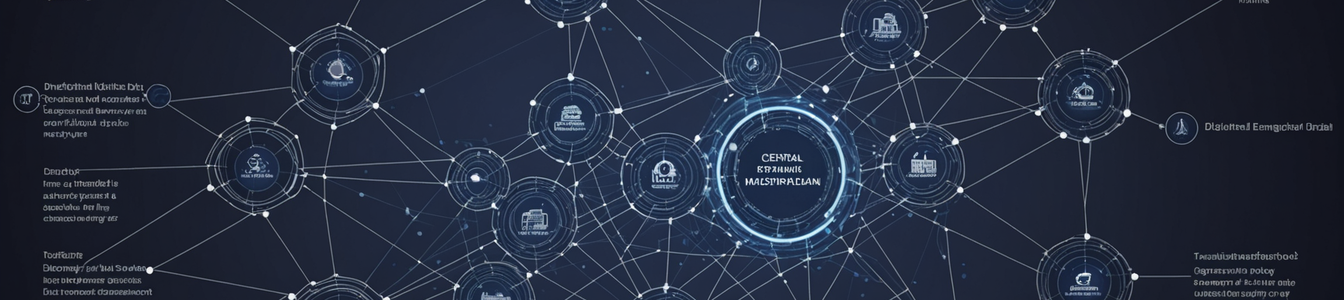
Governance Overhaul: Nations Modernize Core Systems Amid Digital Transformation
Across multiple continents, nations are undertaking profound reforms of their foundational governance and economic systems, creating complex cybersecurity challenges that intersect with policy implementation. From labor migration frameworks to public investment planning, these systemic changes are being executed through digital platforms that require unprecedented security considerations.
Saudi Arabia's Kafala System Abolition: Digital Identity and Worker Protection
Saudi Arabia's landmark decision to abolish the Kafala sponsorship system affects approximately 2.5 million Indian workers among millions of other foreign laborers. This reform replaces a traditional sponsorship model with a modern labor contract system managed through digital platforms. The cybersecurity implications are substantial: the migration involves creating secure digital identities for workers, protecting sensitive employment and personal data, and establishing verifiable digital contracts resistant to tampering.
The new system requires robust authentication mechanisms to prevent identity fraud while ensuring workers can securely access their rights and documentation. Cybersecurity teams must implement encryption for sensitive labor data, secure APIs for employer-worker digital interactions, and audit trails to prevent exploitation in the transitional period. The scale of data migration—affecting millions of records—presents both a technical challenge and a potential target for malicious actors seeking to disrupt labor markets or steal identity information.
Sabah's GLC Restructuring: Corporate Governance Meets Digital Transformation
In the Malaysian state of Sabah, the government is revamping Government-Linked Companies (GLCs) to strengthen governance and align with the Sabah Maju Jaya (SMJ) 2.0 development goals. This restructuring involves digitizing corporate governance processes, implementing transparent reporting systems, and creating integrated digital platforms for performance monitoring.
From a cybersecurity perspective, the modernization of GLCs requires securing financial data, protecting intellectual property, and ensuring the integrity of governance platforms against manipulation. The convergence of operational technology (OT) and information technology (IT) in sectors like energy, transportation, and utilities—often managed by GLCs—creates expanded attack surfaces. Cybersecurity professionals must implement zero-trust architectures, secure supply chain integrations, and continuous monitoring systems to protect critical state assets during this digital transition.
New Zealand's Seasonal Visa Modernization: Secure Border and Labor Systems
New Zealand's introduction of new seasonal visa categories under the Accredited Employer Work Visa (AEWV) framework represents another dimension of governance digitization. The system requires secure integration between immigration databases, employer verification platforms, and border control systems.
Cybersecurity considerations include protecting biometric data, preventing visa fraud through secure digital credentials, and ensuring system availability during peak agricultural seasons. The AEWV framework's digital components must resist attempts to manipulate labor markets through cyber means, while maintaining privacy protections for temporary workers. This requires advanced identity verification technologies, secure mobile access for remote employers, and resilient infrastructure that can withstand targeted attacks on critical food production sectors.
Fiji's Climate-Resilient Investment Framework: Securing Sustainable Infrastructure
Fiji's efforts to strengthen public investment and climate planning frameworks highlight how environmental challenges are driving governance digitization. The integration of climate risk assessments into investment decisions requires sophisticated digital platforms that process environmental data, financial models, and infrastructure planning tools.
These systems must be secured against data manipulation that could distort climate projections or investment priorities. Cybersecurity measures must protect the integrity of climate models, secure sensitive economic planning data, and ensure the resilience of digital platforms against disruptions during climate events. The convergence of Internet of Things (IoT) sensors for environmental monitoring with investment decision platforms creates unique security challenges requiring specialized expertise.
Cross-Cutting Cybersecurity Implications
These diverse governance reforms share common cybersecurity themes:
- Digital Identity Expansion: Each reform involves expanding or creating digital identity systems for workers, citizens, or corporate entities, requiring secure authentication and privacy protection.
- Data Migration Security: Large-scale transfers of sensitive information between legacy and modern systems create windows of vulnerability that must be carefully managed.
- Compliance Integration: New governance frameworks introduce updated compliance requirements that must be embedded in cybersecurity controls and monitoring systems.
- Platform Integrity: Digital governance platforms must maintain integrity against manipulation attempts that could undermine policy objectives.
- Cross-Border Data Flows: Labor and investment systems increasingly involve international data exchanges requiring secure protocols and jurisdictional compliance.
Strategic Recommendations for Cybersecurity Professionals
Organizations involved in or affected by these governance transformations should:
- Implement security-by-design principles in all digital governance platforms
- Conduct thorough threat modeling specific to reformed systems and their stakeholders
- Develop incident response plans addressing unique vulnerabilities during transitional periods
- Invest in secure digital identity solutions that balance verification with privacy
- Establish cross-functional teams combining policy, technical, and security expertise
- Monitor for emerging threats targeting newly digitized governance systems
These governance reforms represent more than policy changes—they are large-scale digital transformation projects with significant security implications. As nations modernize their foundational systems, cybersecurity must move from being an implementation consideration to a central design principle, ensuring that reformed governance frameworks are not only more efficient and equitable but also resilient against evolving digital threats.
The successful implementation of these reforms will depend significantly on the cybersecurity foundations supporting their digital components. Professionals in the field have an opportunity to shape this new era of digital governance by embedding security at its core, protecting both systems and the citizens they serve.
Comentarios 0
Comentando como:
¡Únete a la conversación!
Sé el primero en compartir tu opinión sobre este artículo.
¡Inicia la conversación!
Sé el primero en comentar este artículo.