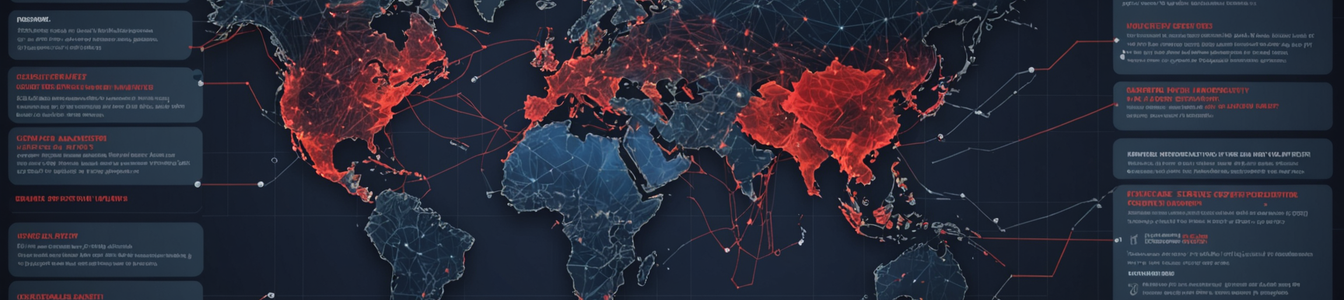
The cybersecurity landscape is witnessing a significant resurgence of the Grandoreiro banking trojan, distributed through a sophisticated phishing campaign that leverages fake Iberdrola utility bills to target victims across multiple countries. This campaign represents one of the most coordinated financial malware operations observed in recent months, demonstrating advanced social engineering tactics and technical sophistication.
Campaign Mechanics and Distribution
The attack begins with carefully crafted phishing emails that mimic legitimate communications from Iberdrola, one of Spain's largest electric utility companies. These emails appear to be billing notifications for overdue electricity payments, creating urgency and prompting immediate action from recipients. The messages contain authentic-looking branding, proper formatting, and convincing language that closely resembles legitimate Iberdrola communications.
Attached to these emails are malicious files, typically disguised as PDF documents or compressed archives, which actually contain the Grandoreiro payload. When victims open these attachments, the malware silently installs itself on their systems, often bypassing traditional security measures through sophisticated obfuscation techniques.
Technical Analysis of Grandoreiro Capabilities
Grandoreiro has evolved significantly since its initial appearance, now featuring enhanced capabilities that make it particularly dangerous for both individual users and financial institutions. The malware operates as a full-featured banking trojan with several key functionalities:
Remote Access Capabilities: Once installed, Grandoreiro establishes persistent remote access to compromised systems, allowing attackers to control devices, monitor user activity, and execute commands remotely.
Credential Harvesting: The malware specifically targets online banking credentials through sophisticated keylogging and form-grabbing techniques. It can capture login information, personal identification numbers, and security answers from various financial institutions.
Man-in-the-Browser Attacks: Grandoreiro employs advanced browser injection techniques to modify web pages in real-time, enabling it to bypass multi-factor authentication and manipulate transaction details without user knowledge.
Financial Fraud Modules: The trojan includes specialized modules for different banking systems and payment platforms, allowing attackers to initiate unauthorized transactions directly from compromised devices.
Geographical Spread and Targeting
While initially targeting Spanish-speaking regions, particularly Spain and Latin American countries, the campaign shows signs of expanding to other regions. Security researchers have observed infrastructure changes suggesting the operators are preparing for broader international distribution.
The choice of Iberdrola as a phishing lure is particularly effective because the company has a substantial international presence, with operations in multiple countries across Europe and the Americas. This makes the social engineering aspect more credible to a wider audience.
Impact on Financial Institutions and Consumers
Financial institutions face significant challenges from this resurgence, as Grandoreiro's sophisticated techniques can bypass many traditional security controls. The malware's ability to manipulate banking sessions in real-time makes detection particularly difficult for both users and financial service providers.
For consumers, the immediate risk includes direct financial loss through unauthorized transactions, identity theft through stolen personal information, and potential compromise of other online accounts using harvested credentials.
Mitigation Strategies and Recommendations
Organizations should implement multi-layered security measures to combat this threat:
Advanced Email Security: Deploy sophisticated email filtering solutions that can detect and block phishing attempts, including those using social engineering tactics and malicious attachments.
Endpoint Protection: Utilize next-generation antivirus solutions with behavioral analysis capabilities that can detect and prevent Grandoreiro's installation and execution.
User Education: Conduct regular security awareness training focusing on identifying phishing attempts, particularly those using urgency tactics and impersonating trusted organizations.
Network Monitoring: Implement robust network monitoring to detect command-and-control communications and unusual outbound traffic patterns.
Application Whitelisting: Consider implementing application control policies that prevent unauthorized programs from executing on corporate systems.
The resurgence of Grandoreiro through this sophisticated phishing campaign underscores the evolving nature of financial malware threats and the importance of comprehensive security strategies that address both technical and human vulnerabilities.
Comentarios 0
Comentando como:
¡Únete a la conversación!
Sé el primero en compartir tu opinión sobre este artículo.
¡Inicia la conversación!
Sé el primero en comentar este artículo.