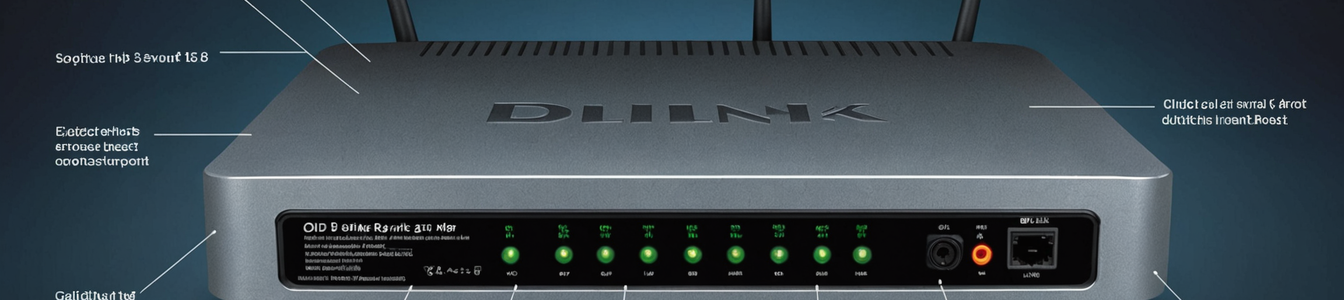
The cybersecurity landscape is witnessing a deliberate and systematic shift in attacker behavior: the targeted hunting of legacy, end-of-life (EoL) hardware. This trend, moving beyond opportunistic scanning to focused exploitation campaigns, represents a significant and growing threat to network security across all sectors. Recent evidence shows threat actors are actively cataloging and attacking obsolete D-Link router models, exploiting vulnerabilities for which security patches will never be released. This phenomenon is not isolated to consumer networking gear but reflects a broader systemic weakness in how technology lifecycles intersect with security postures.
The Economics of Exploiting the Obsolete
The business case for targeting EoL devices is compelling for threat actors. These devices represent a static, predictable attack surface. Once a vulnerability is discovered in a product that has reached its end-of-support date, that flaw becomes permanently weaponizable. There is no patch race, no emergency update from the vendor—only a population of devices that will remain vulnerable until physically replaced. Attackers invest in developing exploits for these platforms knowing their return on investment is protected over the long term. D-Link routers, widely deployed in homes and small businesses, are a prime example. Hackers are scanning for specific discontinued models to compromise them for botnet recruitment, credential theft, or as initial access points into larger networks.
Parallel Threats: From Routers to Automobiles
The legacy device problem transcends traditional IT. The automotive sector provides a stark parallel. Recent reports detail how thieves are exploiting a security flaw in certain Toyota vehicles, bypassing security systems. While not a software EoL issue in the same sense, it reflects a similar dynamic: a fixed vulnerability in deployed hardware that owners are forced to address reactively, often at significant personal cost through aftermarket 'ghost immobilizer' installations. This underscores that the core challenge is a market and design failure to ensure security throughout a device's operational lifespan, not just its commercial support window.
The Enterprise Response: Fusing DevOps with Continuous Vigilance
In response to the expanding attack surface that includes legacy assets, forward-thinking enterprises are fundamentally reshaping their security strategies. The traditional model of periodic vulnerability scans and scheduled patch cycles is insufficient. Modern approaches involve fusing DevOps-managed services with continuous vulnerability management (CVM). This integration embeds security testing, asset inventory, and risk assessment directly into the CI/CD pipeline and extends it to cover the entire asset landscape.
This proactive fusion enables organizations to achieve several critical objectives:
- Complete Asset Visibility: Maintaining a real-time, dynamic inventory of all hardware and software assets, including legacy systems that may be forgotten.
- Risk-Based Prioritization: Continuously assessing vulnerabilities not just by CVSS score, but by actual exploit activity in the wild, including those targeting EoL products.
- Automated Compliance & Remediation: Using DevOps automation to enforce security policies, isolate vulnerable legacy systems that cannot be patched, and accelerate fixes for assets still in support.
The Human and Organizational Challenge
Technical solutions alone are inadequate. The persistence of legacy hardware is often rooted in budgetary constraints, operational criticality, or simple lack of awareness. A router purchased in 2015 and still 'working fine' is unlikely to be replaced until it fails physically, despite being a glaring security liability. Organizations must cultivate a culture of security lifecycle management, where the decommissioning of EoL technology is a planned, funded, and executed process with clear accountability.
Strategic Recommendations for a Legacy-Filled World
Addressing the legacy device threat requires a multi-layered strategy:
- Proactive Inventory and Classification: Organizations must aggressively identify and tag all EoL/EoS assets in their environment, assessing the business risk each one poses.
- Network Segmentation and Isolation: Legacy devices that cannot be immediately retired should be placed in tightly controlled network segments with restricted inbound and outbound communication to limit blast radius.
- Compensating Controls: Implement intrusion detection rules specifically tuned for known exploits against legacy systems in use. Consider virtual patching via next-generation firewalls or IPS where possible.
- Vendor Accountability and Policy Advocacy: Security teams should influence procurement policies to mandate minimum security support lifespans in vendor contracts and support right-to-repair initiatives that can extend the viability of secure hardware.
Conclusion: The Never-Ending Hunt
The systematic hunting of legacy devices marks a maturation of the cyber threat economy. Attackers are optimizing for efficiency and persistence, and unpatched, obsolete hardware provides the perfect target. The parallels between exploited D-Link routers, vulnerable IoT devices, and flawed automotive systems reveal a common theme: the security of a technological society is only as strong as the oldest, least-supported component still in operation. Combating this requires moving from a reactive patching mindset to a holistic lifecycle security approach, where the end-of-support date is treated with the same seriousness as a critical vulnerability announcement. In the ongoing battle for network integrity, forgotten devices are becoming the enemy's most reliable ally.
Comentarios 0
Comentando como:
¡Únete a la conversación!
Sé el primero en compartir tu opinión sobre este artículo.
¡Inicia la conversación!
Sé el primero en comentar este artículo.