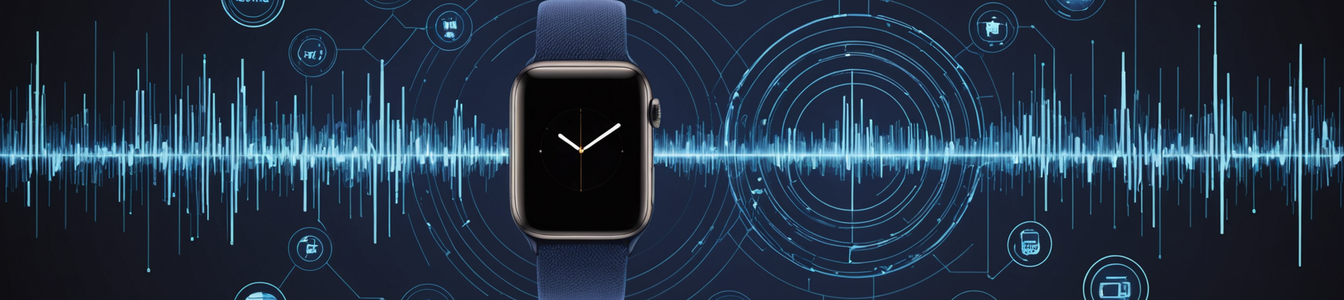
The global wellness industry, valued in the trillions, is undergoing a digital transformation that security professionals can no longer afford to ignore. As we look toward 2026, emerging trends—from 'health raves' blending nightlife with wellness to sophisticated women's longevity platforms and digitally-monitored extreme fitness regimens—are creating a complex web of cyber-physical vulnerabilities that extend far beyond traditional corporate networks. This nexus between consumer health obsession and connected technology represents one of the most significant, yet under-secured, expansions of the attack surface in recent years.
The Data Gold Rush in Your Bloodstream
At the heart of the security challenge lies the massive, often unregulated, aggregation of sensitive health data. The 2026 wellness landscape described in industry forecasts includes personalized longevity plans for women, requiring continuous collection of hormonal data, genetic markers, and lifestyle patterns. These platforms, frequently operating in regulatory gray areas, amass biometric databases far more sensitive than credit card information. Unlike financial data, biometric markers like heart rate variability, sleep patterns, and genetic predispositions cannot be changed after a breach. Security architectures for these systems often prioritize user experience and rapid innovation over robust encryption, zero-trust frameworks, and regular penetration testing, creating honeypots for malicious actors interested in extortion, identity theft, or even corporate espionage targeting pharmaceutical research.
The IoT Wellness Ecosystem: A Hacker's Playground
The proliferation of connected wellness devices—smart scales, meditation headbands, sleep trackers, and even 'detox' monitoring patches—has created a sprawling, insecure IoT ecosystem within homes and gyms. Many of these devices, produced by startups racing to market, lack basic security hygiene: hard-coded credentials, unencrypted data transmission, and non-existent update mechanisms. A trainer's warning against trendy 'detox supplements' highlights a related physical risk: these products often pair with apps that request extensive permissions to monitor 'cleanse progress,' creating backdoors into users' mobile devices. The convergence trend extends to automotive spaces, where cost-saving measures lead consumers to use unvetted third-party devices or software modifications for vehicle health monitoring, inadvertently exposing CAN bus networks to remote manipulation—a stark reminder that the wellness-security nexus has physical consequences.
From 'Health Raves' to Ransomware Vectors
The emergence of experiential wellness, like 'health raves' combining music, group fitness, and biometric feedback, introduces novel attack vectors. These large-scale events rely on temporary networks, attendee check-in apps, and real-time health monitoring systems. The infrastructure is often deployed ad-hoc with minimal security oversight, potentially exposing attendees' real-time location and physiological data. Furthermore, the social and competitive aspects of trends like extreme sports conditioning foster communities where users willingly share data and override safety warnings for better performance metrics, making social engineering attacks particularly effective. The cultural drive for optimization creates users who are less risk-averse with their data, a psychological vulnerability that phishing campaigns are already exploiting.
The Supply Chain Blind Spot
Wellness trends frequently originate from influencers and non-traditional brands, creating complex digital supply chains. A fitness trend endorsed by a celebrity trainer, for example, may involve a subscription app developed by one vendor, wearable hardware from another, and supplement delivery from a third. Each link represents a potential compromise point. The lack of standardized security requirements across this fragmented ecosystem means a breach in a small supplement company's e-commerce platform could provide the credentials needed to access a user's broader health dashboard. This interconnectedness, coupled with often exaggerated claims about data anonymization, creates systemic risk.
Mitigation Strategies for a New Frontier
For cybersecurity teams, addressing this expanding frontier requires a multi-layered approach:
- Extend Zero-Trust Beyond the Enterprise: Assume that employee-owned wellness devices and apps are compromised. Implement strict network segmentation and access controls for any corporate network that interacts with personal IoT, especially in hybrid work environments where home gyms double as offices.
- Advocate for Regulatory Clarity: Security professionals must engage with policymakers to establish minimum security standards for consumer health data aggregation, drawing parallels to existing frameworks like HIPAA but adapted for the commercial wellness sector.
- Focus on Behavioral Security Awareness: Training must evolve to address the specific risks of 'quantified self' technologies. Employees need to understand the implications of granting permissions to wellness apps that request access to contacts, location, and other mobile data.
- Develop Incident Response for Bio-Data Breaches: Response plans must be updated to include scenarios involving leaked biometric or deep health data. This includes legal protocols, as the long-term implications of such breaches differ fundamentally from financial data exposure.
Conclusion: Securing the Human Operating System
The wellness industry's message is clear: humans are systems to be optimized. The cybersecurity imperative is equally clear: these newly digitized human systems represent critical infrastructure. As we move toward 2026, the line between personal health and organizational security will continue to blur. The trends spotlighted—whether dubious detox fads or sophisticated longevity platforms—are not merely lifestyle choices; they are endpoints in an increasingly vulnerable network. Proactive security strategy must now account for the vitamins in our cabinets, the apps on our wrists, and the data in our DNA, recognizing that in the era of connected wellness, the human body itself has become a contested attack surface.
Comentarios 0
Comentando como:
¡Únete a la conversación!
Sé el primero en compartir tu opinión sobre este artículo.
¡Inicia la conversación!
Sé el primero en comentar este artículo.