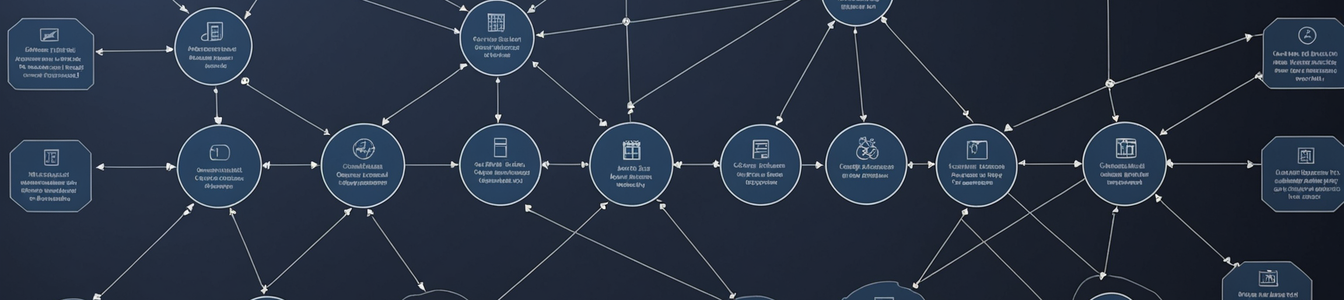
The global healthcare sector is experiencing a revolutionary digital transformation, driven by massive investments in information technology and artificial intelligence. Recent reports indicate that Indian hospitals are leading this charge with plans to increase IT innovation spending by 25% over the next three years, reflecting a broader trend across the healthcare industry worldwide.
This technological expansion comes at a critical juncture. According to FICCI-BCG research, artificial intelligence is projected to contribute approximately $15.7 trillion to the global economy by 2030, with healthcare applications representing one of the most significant growth areas. The integration of AI into medical diagnostics, patient care management, and operational efficiency is transforming how healthcare organizations operate.
However, this rapid digitization presents substantial cybersecurity challenges that demand immediate attention. The expanding attack surface includes electronic health records (EHR) systems, connected medical devices, telehealth platforms, and AI-powered diagnostic tools. Each new technological implementation creates potential vulnerabilities that malicious actors can exploit.
Medical infrastructure has become increasingly attractive to cybercriminals due to the critical nature of healthcare services and the sensitivity of patient data. The convergence of IT and operational technology in healthcare environments introduces unique security concerns, particularly regarding medical device security and network segmentation.
The AI integration boom introduces additional complexity. Machine learning algorithms used in diagnostic systems and treatment planning require robust security measures to prevent data poisoning, model theft, and adversarial attacks. Ensuring the integrity of AI systems is paramount, as compromised medical AI could lead to misdiagnosis or inappropriate treatment recommendations.
Interoperability between different healthcare systems, while improving patient care, also creates security challenges. The seamless exchange of patient data across platforms and institutions increases the risk of data breaches if proper security protocols aren't implemented. This is particularly relevant in physician-led care initiatives, where multiple providers require access to comprehensive patient information.
Healthcare organizations must adopt a multi-layered security approach that includes zero-trust architecture, regular security assessments, employee training, and incident response planning. The implementation of blockchain technology for secure health data exchange and the development of AI-powered security solutions are emerging as critical components of healthcare cybersecurity strategies.
Regulatory compliance remains a significant concern, with healthcare providers needing to navigate complex data protection regulations while implementing new technologies. The balance between innovation and security requires careful consideration of privacy requirements, data localization laws, and medical device regulations.
As healthcare continues its digital transformation, cybersecurity professionals must prioritize the protection of critical medical infrastructure while supporting innovation. This involves collaborating with medical device manufacturers, software developers, and healthcare providers to build security into products from the design phase rather than as an afterthought.
The future of healthcare cybersecurity will depend on developing specialized expertise in medical system security, creating industry-specific security frameworks, and fostering international cooperation to address global healthcare cybersecurity threats. The stakes have never been higher, as patient safety and the integrity of medical care increasingly depend on robust cybersecurity measures.
Comentarios 0
Comentando como:
¡Únete a la conversación!
Sé el primero en compartir tu opinión sobre este artículo.
¡Inicia la conversación!
Sé el primero en comentar este artículo.