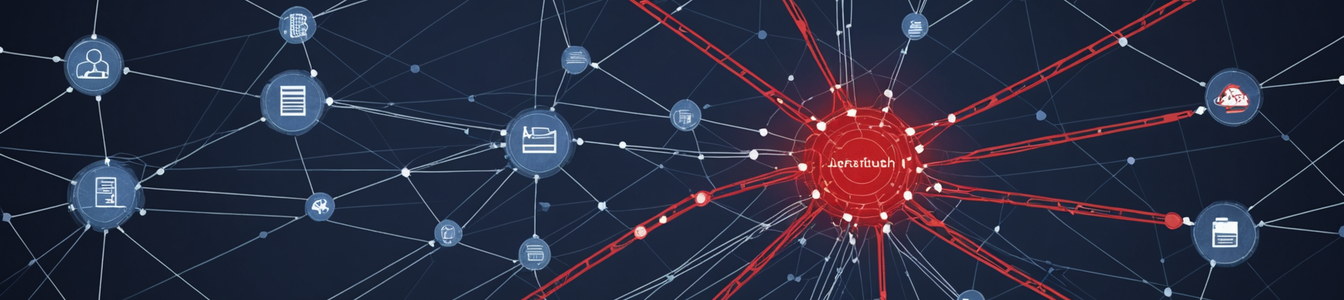
The global healthcare sector faces a paradoxical security crisis: the very systems designed to ensure appropriate access and control costs have become critical vulnerabilities threatening patient care and national security. Recent developments from Chile's geopolitical authorization decisions to systemic insurance prior authorization failures reveal how bureaucratic chokepoints create exploitable weaknesses in healthcare infrastructure.
The Geopolitical Authorization Precedent
In late February 2026, Chile's denial of authorization for a Chinese medical ship to provide onboard care services created an international incident with significant cybersecurity implications. While framed as a response to U.S. pressure regarding undersea cable projects, this decision established a dangerous precedent: nation-states can weaponize healthcare authorization systems for geopolitical objectives.
The Chinese vessel, equipped with advanced medical facilities, required Chilean authorization to operate within territorial waters. By denying this routine medical service approval, Chile demonstrated how administrative healthcare systems can be leveraged as tools of statecraft. For cybersecurity professionals, this incident reveals how authorization systems controlling critical care access become targets for disruption during international tensions.
The Insurance Authorization Crisis
Simultaneously, healthcare systems in the United States and United Kingdom face internal authorization crises. Prior authorization requirements from insurance companies and Pharmacy Benefit Managers (PBMs) create artificial bottlenecks that regularly delay or deny critical care. Patients and providers must navigate complex timelines where "the clock runs out" on approvals, creating care disruptions that mirror denial-of-service attacks in digital systems.
These bureaucratic systems lack transparency in decision-making timelines and criteria, creating uncertainty that healthcare providers describe as "administrative medicine" that often overrides clinical judgment. The financial incentives behind these systems—designed to control costs—create perverse security outcomes where economic considerations trump patient safety.
Cybersecurity Implications of Authorization Chokepoints
Healthcare Identity and Access Management (IAM) systems controlling these authorizations represent critical infrastructure with inadequate security considerations. The convergence of several factors creates unprecedented risks:
- Single Points of Failure: Centralized authorization systems create attractive targets for cyberattacks. A successful compromise could disrupt care for thousands simultaneously.
- Business Logic Exploitation: Attackers can manipulate authorization workflows through fraudulent claims, prior authorization requests, or system gaming—creating financial fraud opportunities while appearing as legitimate transactions.
- Supply Chain Vulnerabilities: The interconnected nature of healthcare authorization systems (insurers, providers, government agencies) means a breach in one component can cascade through the entire ecosystem.
- Geopolitical Weaponization: As demonstrated in Chile, nation-states can exploit authorization dependencies during conflicts, denying care to specific populations or using medical access as bargaining chips.
Technical Architecture Vulnerabilities
Most healthcare authorization systems suffer from legacy architecture problems. They typically rely on batch processing, manual reviews, and insufficient API security. The digital transformation of these systems has created web-facing interfaces without adequate zero-trust architecture implementation.
Critical vulnerabilities include:
- Inadequate rate limiting on prior authorization submission portals
- Weak authentication for provider and insurer interfaces
- Insufficient logging and monitoring of authorization decisions
- Lack of encryption for sensitive medical justification data
- Poor integration between clinical systems and authorization platforms
The Human Factor in Authorization Security
Beyond technical vulnerabilities, the human element creates additional risks. Provider frustration with authorization systems leads to workarounds that bypass security controls. "Authorization fatigue" causes clinical staff to reuse credentials, share access, or develop informal approval processes that create shadow IT systems.
Insurance company employees reviewing authorizations face pressure to process claims rapidly, reducing scrutiny of potentially fraudulent requests. This creates opportunities for social engineering attacks targeting both providers and insurers.
Recommendations for Cybersecurity Professionals
- Treat Authorization Systems as Critical Infrastructure: Healthcare IAM systems controlling life-critical resources require security parity with financial transaction systems.
- Implement Zero-Trust Architecture: Every authorization request should be verified, regardless of origin, with continuous authentication and least-privilege access.
- Develop Resilience Plans: Healthcare organizations must plan for authorization system failures with manual override procedures that maintain security while ensuring patient care.
- Enhance Monitoring and Analytics: Artificial intelligence and machine learning should detect anomalous authorization patterns indicating fraud or system manipulation.
- Advocate for Regulatory Reform: Cybersecurity professionals must engage with healthcare regulators to establish security standards for authorization systems.
The Future of Healthcare Authorization Security
The current crisis represents both danger and opportunity. Blockchain-based smart contracts could create transparent, auditable authorization systems. Decentralized identity solutions could give patients control over their medical data while streamlining approvals. Artificial intelligence could accelerate legitimate authorizations while flagging suspicious patterns.
However, these technological solutions must address the fundamental conflict between cost control and patient care. Cybersecurity professionals have a critical role in designing systems that are both secure and humane—preventing the weaponization of healthcare access while ensuring timely care delivery.
The authorization chokepoint crisis demonstrates how administrative systems become security vulnerabilities. As healthcare continues its digital transformation, we must ensure that authorization mechanisms designed to gatekeep resources don't become weapons against the patients they're meant to serve.
Comentarios 0
Comentando como:
¡Únete a la conversación!
Sé el primero en compartir tu opinión sobre este artículo.
¡Inicia la conversación!
Sé el primero en comentar este artículo.