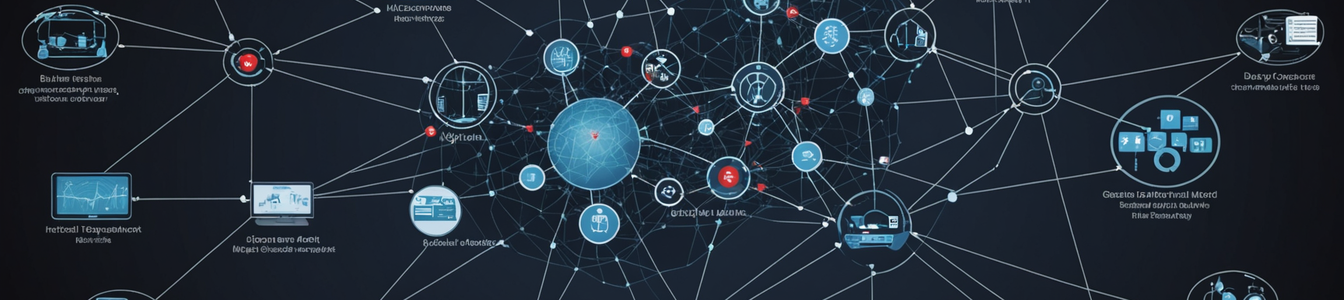
The digital transformation of healthcare systems has accelerated dramatically in recent years, but policy failures and governance gaps are creating critical cybersecurity vulnerabilities that threaten patient safety and public health infrastructure globally. Recent regulatory developments across multiple countries reveal a disturbing pattern of inadequate cybersecurity considerations in healthcare policymaking.
In India, the Supreme Court's intervention demanding a national policy and uniform rules for organ transplantation highlights the cybersecurity implications of fragmented healthcare regulations. The absence of standardized digital protocols creates multiple attack vectors, including potential manipulation of organ allocation systems, compromise of patient matching databases, and unauthorized access to sensitive medical records. These vulnerabilities could enable sophisticated cyberattacks targeting critical life-saving procedures.
Indonesia's pharmacy regulation changes demonstrate how policy shifts can inadvertently create cybersecurity risks. The transformation of pharmacies into retail-style operations introduces new digital touchpoints without corresponding security requirements. This expansion increases the attack surface through interconnected point-of-sale systems, inventory management platforms, and electronic prescription networks that may lack adequate protection measures.
Vaccination mandate policies in US cities reveal another dimension of policy-driven cybersecurity challenges. The implementation of digital vaccine verification systems created new infrastructure that became immediate targets for cybercriminals. These systems often lacked robust security protocols, making them vulnerable to data breaches and manipulation that could undermine public health initiatives.
The international dimension of healthcare cybersecurity is exemplified by the UK's medical regulatory expertise with connections to Kerala, India. This cross-border collaboration, while valuable for knowledge sharing, also creates complex cybersecurity challenges involving data sovereignty, international compliance requirements, and coordinated threat response mechanisms.
Canada's loss of measles-free status and similar concerns in the US underscore how cybersecurity failures in public health systems can have direct consequences for disease control and prevention. Digital surveillance systems, vaccination records, and outbreak monitoring platforms all represent potential targets for cyberattacks that could disrupt essential public health functions.
These policy-driven vulnerabilities share common characteristics: inadequate cybersecurity requirements in regulatory frameworks, insufficient funding for digital infrastructure security, lack of standardized protocols across jurisdictions, and failure to anticipate emerging threats in rapidly evolving healthcare technologies.
The convergence of Internet of Medical Things (IoMT) devices, electronic health records, telemedicine platforms, and AI-driven diagnostic tools creates a complex attack surface that existing policies fail to adequately address. Medical devices often lack basic security features, while healthcare providers struggle with legacy systems that cannot be easily updated or patched.
Healthcare organizations face unique challenges in cybersecurity implementation, balancing patient care priorities with security requirements. The critical nature of healthcare services means that system availability often takes precedence over security measures, creating inherent vulnerabilities that attackers can exploit.
To address these challenges, cybersecurity professionals must engage with policymakers to develop comprehensive frameworks that integrate security considerations into healthcare regulations from the outset. This includes establishing minimum security standards for medical devices, implementing robust identity and access management systems, developing incident response protocols specific to healthcare contexts, and creating cross-border cooperation mechanisms for threat intelligence sharing.
The healthcare sector's digital infrastructure represents critical national infrastructure that requires protection equivalent to other essential services. As healthcare becomes increasingly dependent on digital technologies, the cybersecurity implications of policy decisions must be systematically evaluated and addressed to ensure patient safety and public health security.
Future healthcare policies must incorporate cybersecurity by design, with adequate funding for security implementation, regular risk assessments, and continuous monitoring of emerging threats. Only through this integrated approach can healthcare systems achieve the resilience needed to withstand evolving cyber threats while maintaining the trust and safety of patients worldwide.
Comentarios 0
Comentando como:
¡Únete a la conversación!
Sé el primero en compartir tu opinión sobre este artículo.
¡Inicia la conversación!
Sé el primero en comentar este artículo.