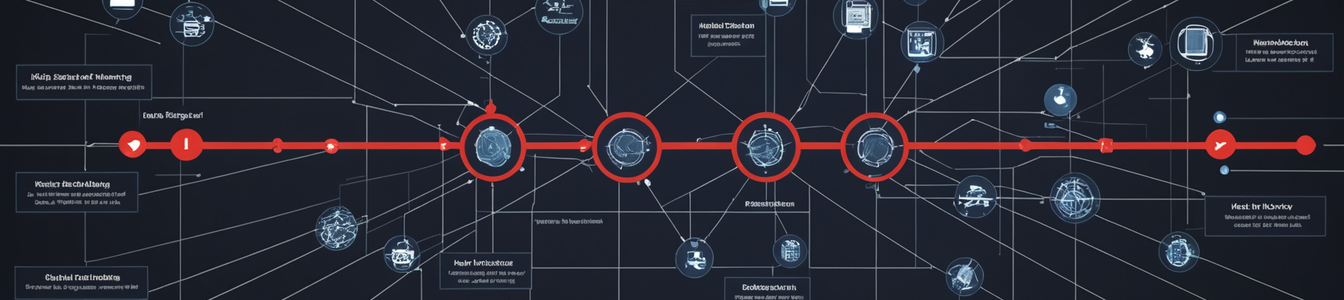
The recent declaration of a 'critical incident' by Birmingham hospitals and the simultaneous crackdown on Romanian transport operators in Slovenia represent more than isolated operational failures. These events expose fundamental vulnerabilities in complex, interconnected systems that cybersecurity professionals should recognize as mirroring digital infrastructure risks. As flu cases overwhelm NHS resources and logistics networks face unprecedented scrutiny, we're witnessing how operational pressures can push systems beyond their breaking points—with lessons that extend far beyond traditional IT security boundaries.
Healthcare Under Pressure: When Patient Load Becomes Systemic Stress
Birmingham's hospital crisis emerged from a perfect storm of seasonal illness surges, staffing challenges, and system-wide capacity limitations. While not initially a cybersecurity event, the incident reveals how healthcare infrastructure operates on dangerously thin margins. Digital systems supporting patient management, bed allocation, and resource tracking become critical pressure points when physical facilities reach capacity. The NHS's reliance on interconnected digital platforms for patient flow, prescription management, and staff coordination means that operational stress immediately translates to digital system stress. Cybersecurity teams should note how these incidents test redundancy protocols, backup systems, and failover mechanisms in real-world crisis conditions.
Logistics Breakdown: The Supply Chain Domino Effect
Simultaneously, Slovenian authorities' confiscation of Romanian transport vehicles and imposition of nearly €50,000 fines following shock inspections demonstrates how regulatory enforcement can cascade through logistics networks. Modern logistics depend on digital tracking systems, customs clearance platforms, and real-time monitoring—all vulnerable to disruption when physical operations break down. The incident highlights how compliance failures in one jurisdiction can paralyze cross-border operations, exposing dependencies between physical supply chains and their digital management systems. For cybersecurity professionals, this mirrors concerns about third-party risk management and supply chain security in digital infrastructure.
The Convergence Point: Digital Dependencies in Physical Crises
What makes these incidents particularly relevant to cybersecurity is their demonstration of how digital and physical systems fail together. Hospital critical incidents immediately strain digital patient management systems, while logistics disruptions expose vulnerabilities in tracking and compliance platforms. In both cases, the response depends on digital communication systems, data availability, and coordinated monitoring—all core cybersecurity concerns. The incidents reveal gaps in business continuity planning that assume digital systems will function during physical crises, a dangerous assumption that cybersecurity teams must challenge.
Operational Resilience Lessons for Cybersecurity
- Stress Testing Beyond Digital Boundaries: Cybersecurity resilience planning must incorporate scenarios where physical operations collapse alongside digital systems. The Birmingham and Slovenia incidents show how operational pressures create unique failure modes that pure cybersecurity testing might miss.
- Interdependency Mapping: Modern critical infrastructure features complex interdependencies between physical operations and digital controls. Cybersecurity teams should map these relationships to understand how failures propagate across domains.
- Human Factors Under Pressure: Both incidents demonstrate how human decision-making changes under operational stress, creating vulnerabilities that attackers might exploit. Cybersecurity awareness programs rarely address crisis conditions where normal protocols break down.
- Regulatory Compliance as Attack Surface: The logistics case shows how regulatory enforcement can function as a systemic shock. Cybersecurity programs should consider compliance requirements as potential failure points during crises.
The Cybersecurity Implications
For security professionals, these incidents offer several critical insights:
- Monitoring Blind Spots: Traditional security monitoring often focuses on digital indicators while missing operational stress signals that precede system failures.
- Response Coordination: Crisis response protocols must bridge physical operations and cybersecurity teams, with clear communication channels established before incidents occur.
- Third-Party Risk Assessment: Both healthcare and logistics depend on extensive third-party networks. Cybersecurity risk assessments must evaluate how partners handle operational stress.
- Resilience Metrics: Current cybersecurity metrics rarely measure resilience against combined physical-digital failures. New frameworks are needed.
Moving Forward: Integrated Resilience Planning
The Birmingham and Slovenia incidents demonstrate that cybersecurity can no longer operate in isolation from physical operations. As digital systems become more embedded in critical infrastructure, their failure modes become more complex and interconnected. Cybersecurity teams must expand their scope to include operational resilience, partnering with physical security, facilities management, and operational teams to build truly resilient organizations.
Future incidents will likely feature even tighter integration between digital and physical failures. By studying these current cases, cybersecurity professionals can develop more comprehensive approaches to resilience that address the full spectrum of threats facing modern organizations. The line between digital security and operational continuity has blurred beyond recognition—and our security practices must evolve accordingly.
Comentarios 0
Comentando como:
¡Únete a la conversación!
Sé el primero en compartir tu opinión sobre este artículo.
¡Inicia la conversación!
Sé el primero en comentar este artículo.