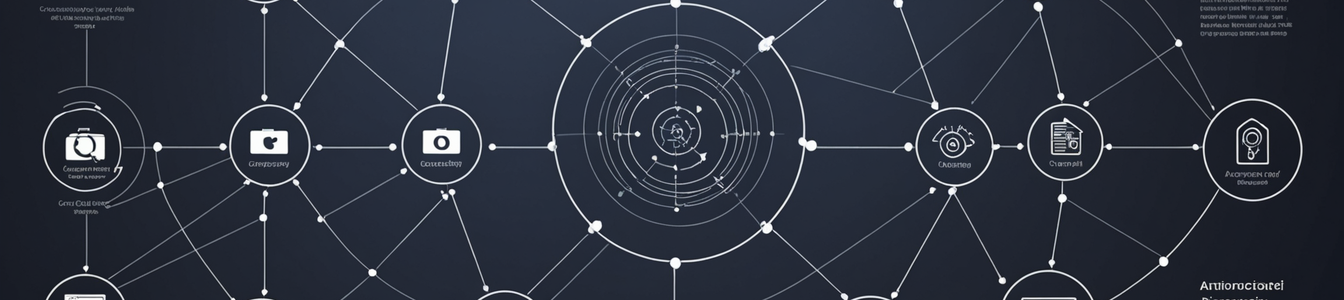
The cybersecurity landscape is confronting a disturbing trend that challenges fundamental assumptions about security governance: the very systems created to authorize and regulate legitimate access are becoming the most dangerous attack vectors. Recent incidents spanning judicial, financial, maritime, and industrial sectors demonstrate that formal authorization frameworks—when compromised—create systemic risks far beyond traditional perimeter breaches.
The Judicial Breach: When Court Authorization Becomes an Entry Point
The upcoming guilty plea in the hacking of the US Supreme Court's filing system represents a watershed moment for government cybersecurity. Unlike attacks targeting peripheral systems, this breach penetrated the core document submission infrastructure that attorneys, litigants, and court officials rely upon for legitimate case management. The incident reveals how authorization systems with high-stakes access—particularly those handling sensitive legal documents—become prime targets for attackers seeking to manipulate judicial processes or exfiltrate privileged information.
Technical analysis suggests the attack likely exploited credential-based vulnerabilities within the court's Electronic Filing System (EFS), potentially through phishing of authorized users, insider threats, or weaknesses in multi-factor authentication implementation. The breach demonstrates that even the most prestigious institutions are vulnerable when authorization mechanisms aren't continuously hardened against evolving threats.
Financial Sector Expansion: New Authorization Creates New Attack Surfaces
Simultaneously, Ripple's recent authorization as an Electronic Money Institution (EMI) in Luxembourg illustrates how regulatory approvals expand the attack surface for financial ecosystems. While this authorization legitimizes Ripple's European operations and enhances compliance, it also creates new vectors for credential abuse, API exploitation, and regulatory compliance attacks.
The EMI license grants Ripple access to critical financial infrastructure and customer funds management capabilities. Each newly authorized connection point—whether for customer onboarding, transaction processing, or regulatory reporting—represents a potential entry point for attackers. Cybersecurity teams must now secure not just Ripple's core systems, but also the interfaces between newly authorized financial services and existing banking infrastructure.
This expansion highlights the 'authorization paradox' in financial technology: every regulatory approval that enables business growth also creates additional security obligations and potential failure points that sophisticated attackers can exploit.
Maritime and Industrial Sectors: Authorization Chains as Vulnerability Chains
The Philippine Maritime Industry Authority's (MARINA) new authorization to issue student Certificates of Assessment and Verification (CAVs) creates similar risks in the maritime domain. These digital credentials, while streamlining certification for maritime students, establish new digital identity systems that attackers could compromise to create fraudulent maritime professionals.
Similarly, Lloyds Engineering Works' authorization for international deployment of Eco Pickled Surface Systems demonstrates how industrial certifications create transnational security challenges. The authorization to export specialized industrial systems internationally establishes supply chain connections that must be secured against tampering, credential theft, and industrial espionage.
The Systemic Risk of Authorized Access
These disparate incidents share a common thread: authorized access systems create concentrated risk because they:
- Concentrate Privilege: Authorization systems aggregate high-level access rights, making them lucrative targets
- Establish Trust: Legitimate authorization creates implicit trust that attackers can exploit
- Create Interdependencies: Authorized systems connect to other critical infrastructure, enabling lateral movement
- Generate Compliance Blind Spots: Organizations often focus on obtaining authorization rather than continuously securing authorized systems
Cybersecurity Implications and Mitigation Strategies
For cybersecurity professionals, this trend demands a fundamental shift in how authorization systems are secured:
Zero Trust Architecture Implementation: Move beyond perimeter-based security to continuous verification of all authorized access, regardless of source. Every access request to authorized systems should be treated as potentially malicious until verified.
Privileged Access Management (PAM) Enhancement: Strengthen controls around authorized credentials with just-in-time access, session monitoring, and strict separation of duties. This is particularly critical for systems like court filing platforms where single credentials may provide extensive access.
Authorization System-Specific Threat Modeling: Conduct specialized threat modeling for authorization frameworks that considers:
- Credential lifecycle attacks
- Insider threat scenarios
- Supply chain compromises through authorized partners
- Regulatory compliance as an attack vector
Continuous Authorization Monitoring: Implement real-time monitoring of authorized access patterns with behavioral analytics to detect anomalies. This includes monitoring for unusual access times, geolocation anomalies, and atypical data access patterns within authorized systems.
Cross-Sector Authorization Security Standards: Develop industry-specific security standards for authorization systems that address sector-specific risks. Financial authorization systems require different controls than judicial or maritime systems, but all need robust protection.
The Path Forward: Secure by Authorization Design
The increasing frequency of attacks against authorization systems suggests that cybersecurity must evolve from securing access to securing the authorization processes themselves. This requires:
- Building security into authorization system design rather than adding it later
- Implementing continuous security validation for all authorized connections
- Developing cross-organizational intelligence sharing about authorization system attacks
- Creating fail-secure mechanisms that limit damage when authorized systems are compromised
As organizations across sectors continue to expand their authorized digital ecosystems, the cybersecurity community must recognize that authorization is not a security endpoint but a risk concentration point. The systems we create to manage legitimate access are becoming the very systems that require our most vigilant protection.
The coming years will likely see increased regulatory focus on authorization system security, with potential new compliance requirements for organizations managing critical authorization frameworks. Cybersecurity leaders should proactively address these risks before regulatory mandates force reactive measures.
In an increasingly interconnected digital economy, the security of our authorization systems may well determine the security of our entire digital infrastructure. The paradox is clear: the access we authorize creates the risks we must secure.
Comentarios 0
Comentando como:
¡Únete a la conversación!
Sé el primero en compartir tu opinión sobre este artículo.
¡Inicia la conversación!
Sé el primero en comentar este artículo.