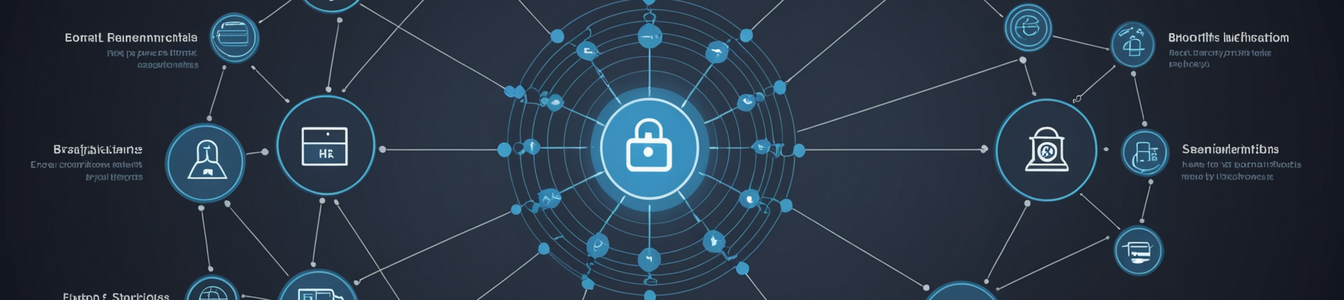
In the race to digitize human resources and modernize employee benefits, organizations are inadvertently creating a new category of enterprise risk. HR technology platforms, pension administration systems, and benefits portals—often viewed as back-office utilities—have become stealth vectors for cybersecurity breaches and compliance failures. This convergence of sensitive data handling and third-party dependencies represents what industry experts are calling 'the hidden tax' of digital transformation: unexpected costs arising from security gaps in non-traditional IT systems.
The Data-Rich Back Office: A Prime Target
Modern HR ecosystems are data goldmines, processing everything from national insurance numbers and bank account details to medical histories and salary information. When organizations migrate to cloud-based HCM (Human Capital Management) platforms or outsource pension administration, they frequently transfer this sensitive data across multiple systems and vendors. Each handoff point represents a potential vulnerability, particularly when legacy data formats meet modern cloud architectures without proper security mapping.
Tony Buffolino of Calibrate HCM recently highlighted the critical importance of secure data migration protocols. 'The transition period between systems is when data is most exposed,' Buffolino noted. 'Organizations focus on functionality and user experience but often treat data security as a compliance checkbox rather than an architectural requirement.' This oversight is particularly dangerous given that HR data migrations typically involve personally identifiable information (PII) protected under regulations like GDPR, CCPA, and various financial privacy laws.
Compliance Deadlines and Security Shortcuts
The regulatory landscape adds another layer of complexity. As seen with executive pension schemes facing April deadlines for compliance with new rules, organizations often prioritize meeting regulatory timelines over implementing robust security measures. This 'compliance-first, security-second' approach creates technical debt that manifests as vulnerabilities in authentication systems, inadequate encryption of sensitive records, and poor audit trails for data access.
Bloomberg Tax analysis reveals that HR solutions frequently 'become tax problems' when data integrity issues lead to incorrect reporting. From a cybersecurity perspective, these data integrity problems often stem from insecure APIs connecting payroll systems to tax authorities, insufficient validation of data inputs, and inadequate protection of the data pipelines themselves. A breach in these systems doesn't just expose personal data—it can trigger cascading regulatory penalties across multiple jurisdictions.
Third-Party Risk Amplification
The outsourcing trend in HR and benefits administration has created sprawling third-party ecosystems with inconsistent security postures. Pension providers, benefits brokers, wellness platform vendors, and insurance carriers all require access to sensitive employee data, creating an expanded attack surface that most organizations struggle to monitor effectively. Each vendor represents a potential entry point, yet vendor risk management programs often fail to assess the technical security controls of these 'non-critical' providers with the same rigor applied to traditional IT vendors.
This risk is compounded by the interconnected nature of these systems. A vulnerability in a benefits portal could provide access to payroll data; compromised pension credentials might expose financial planning information. Attackers recognize that security investments in these areas are frequently lower than in core financial systems, making them attractive targets for data exfiltration and fraud schemes.
The Technical Debt of Legacy Systems
Many organizations maintain hybrid environments where modern cloud HR platforms interface with legacy pension administration systems. These legacy systems, often built on outdated architectures with known vulnerabilities, become compliance traps when they cannot support modern security protocols like multi-factor authentication, granular access controls, or real-time encryption. The cost and complexity of securing or replacing these systems leads to dangerous workarounds and prolonged exposure.
The Irish Times recently reported on executive pension holders facing deadlines to avoid 'more rules and more costs.' This regulatory pressure often forces rushed digital transformations without adequate security considerations. Organizations may implement new front-end interfaces while leaving vulnerable backend databases exposed, or integrate modern authentication systems with legacy authorization frameworks that create privilege escalation opportunities.
Mitigation Strategies for Security Leaders
To address these hidden risks, cybersecurity teams must expand their governance beyond traditional IT boundaries:
- Extend Security Assessments to All Data Processors: Conduct technical security assessments of HR vendors, pension administrators, and benefits providers using the same criteria applied to core technology vendors. Focus on data encryption standards, API security, and incident response capabilities.
- Implement Data-Centric Security Controls: Deploy encryption, tokenization, and data masking specifically for sensitive HR and financial data elements. Ensure these controls persist throughout the data lifecycle, including during migration between systems.
- Establish Continuous Compliance Monitoring: Move beyond periodic audits to implement real-time monitoring of data access patterns, configuration changes, and third-party connections within HR ecosystems.
- Develop Specialized Incident Response Plans: Create breach response scenarios specific to HR data compromises, including notification procedures for affected employees, regulatory reporting requirements, and communication protocols with multiple third-party providers.
- Integrate Security into Procurement Processes: Mandate security requirements in all contracts with HR technology vendors and benefits providers, including right-to-audit clauses, breach notification timelines, and data protection obligations.
Conclusion: Closing the Governance Gap
The 'hidden tax' of HR and pension system vulnerabilities represents a significant but addressable risk. By recognizing these back-office functions as critical components of the enterprise security architecture, organizations can prevent the compliance traps that lead to data breaches, regulatory penalties, and loss of employee trust. The convergence of data privacy requirements, financial regulations, and cybersecurity best practices demands a unified approach to protecting the human data that powers modern organizations. Security leaders who bridge this governance gap will not only reduce risk but create competitive advantage through enhanced data stewardship and regulatory confidence.
Comentarios 0
Comentando como:
¡Únete a la conversación!
Sé el primero en compartir tu opinión sobre este artículo.
¡Inicia la conversación!
Sé el primero en comentar este artículo.