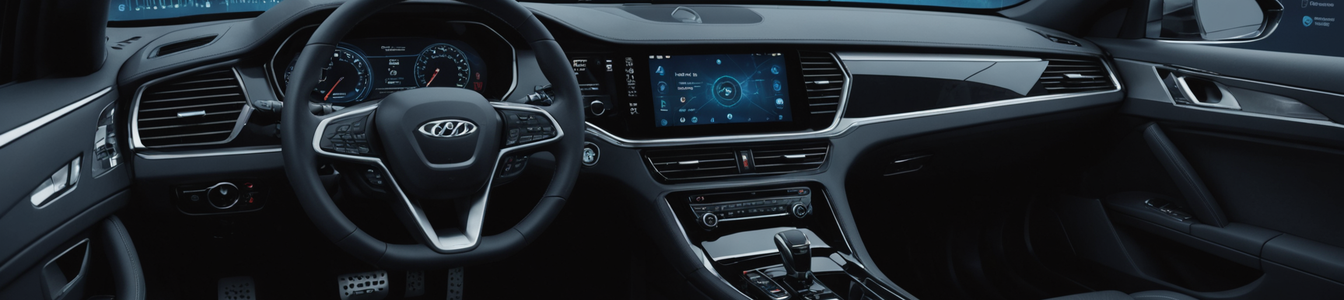
The automotive industry is facing one of its most significant cybersecurity crises to date, as Hyundai and Kia confirm a massive data breach affecting approximately 2.7 million vehicle owners across the United States. The security incident, which security researchers have classified as high-severity, exposed a comprehensive range of sensitive personal information that could have far-reaching consequences for affected consumers.
According to preliminary investigations, the compromised data includes driver's license information, Social Security numbers, vehicle identification numbers (VINs), and extensive personal identification details. This combination of exposed data creates a perfect storm for potential identity theft and financial fraud, security experts warn.
The breach was discovered during routine security monitoring when anomalous data access patterns were detected within the companies' customer databases. Immediate containment measures were implemented, but not before significant amounts of data were potentially accessed by unauthorized parties. Both automakers have engaged third-party cybersecurity forensics teams to conduct comprehensive investigations into the incident.
Industry analysts note that this breach represents a critical failure in automotive data protection protocols. The exposed information provides malicious actors with everything needed to create sophisticated identity theft schemes, from opening fraudulent credit accounts to filing false tax returns. The inclusion of driver's license data is particularly concerning, as this information is frequently used for verification across multiple services and institutions.
Cybersecurity professionals have expressed alarm at the scale and sensitivity of the exposed data. "When you combine Social Security numbers with driver's license information and vehicle details, you're essentially giving criminals the keys to someone's digital identity," explained Maria Rodriguez, a senior security analyst at CyberDefense Partners. "The automotive industry has been playing catch-up with data security, and this incident shows how much work remains to be done."
The timing of this breach coincides with increased regulatory scrutiny of data protection practices across the automotive sector. With vehicles becoming increasingly connected and data-rich, manufacturers are collecting more personal information than ever before. This incident raises serious questions about whether security measures have kept pace with data collection practices.
Hyundai and Kia have established dedicated response teams to assist affected customers, including credit monitoring services and identity theft protection. However, security experts emphasize that the long-term risks extend far beyond what typical credit monitoring can detect. The exposed driver's license information creates vulnerabilities that may persist for years, as these documents are typically valid for extended periods.
This breach also highlights broader industry challenges in securing legacy systems while transitioning to connected vehicle platforms. Many automotive manufacturers maintain complex networks of dealership management systems, customer relationship platforms, and service databases that were not originally designed with modern cybersecurity threats in mind.
Regulatory implications are significant, with potential investigations from multiple state attorneys general and federal agencies including the Federal Trade Commission. The companies may face substantial penalties under various data protection regulations, particularly if investigations reveal inadequate security measures or delayed disclosure.
Security professionals across the industry are using this incident as a case study for improving automotive data protection. Recommendations include implementing stronger encryption for sensitive data, adopting zero-trust architectures, conducting regular security audits, and enhancing employee training around data handling practices.
The automotive data breach comes at a time when consumers are increasingly concerned about privacy and data security. A recent survey by the Automotive Security Research Group found that 68% of vehicle owners are worried about how their personal data is being protected by manufacturers. This incident is likely to intensify those concerns and potentially impact consumer trust in connected vehicle technologies.
As the investigation continues, security experts recommend that all Hyundai and Kia owners remain vigilant for signs of identity theft, monitor their financial accounts regularly, and consider placing fraud alerts with major credit bureaus. The companies have committed to providing regular updates as more information becomes available about the breach's full scope and impact.
Comentarios 0
Comentando como:
¡Únete a la conversación!
Sé el primero en compartir tu opinión sobre este artículo.
¡Inicia la conversación!
Sé el primero en comentar este artículo.