The smart home security landscape is undergoing a fundamental transformation as IKEA launches 21 new Matter-compatible devices, bringing enterprise-grade security standards to mainstream consumers at unprecedented price points. This strategic expansion represents one of the most significant developments in consumer IoT security standardization to date.
IKEA's comprehensive smart home lineup leverages the Matter 1.2 standard with Thread protocol support, creating a robust security foundation that addresses longstanding vulnerabilities in consumer IoT ecosystems. The new products include smart lighting solutions, motion sensors, environmental monitors, and control devices that all benefit from Matter's built-in security architecture.
From a cybersecurity perspective, this move addresses critical industry challenges. The Matter standard incorporates mandatory security requirements including device attestation, secure commissioning, and encrypted communications. Unlike proprietary solutions that often sacrifice security for cost savings, IKEA's implementation maintains these security fundamentals while achieving remarkable affordability.
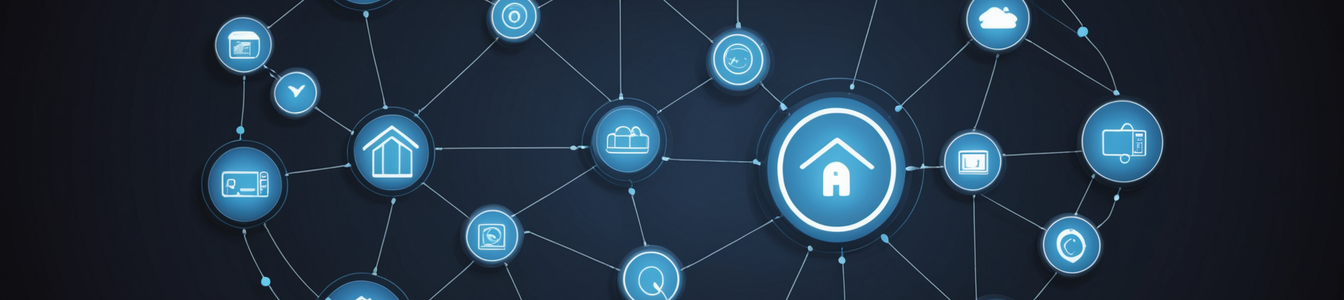
The Thread protocol implementation provides additional security benefits through its mesh networking architecture. Each device acts as a router, creating self-healing networks that maintain connectivity even if individual nodes fail. This distributed approach enhances both reliability and security resilience against single-point failures.
Industry analysts highlight the significance of IKEA's pricing strategy in democratizing secure IoT access. By making Matter-compatible devices available at mass-market price points, IKEA is effectively setting new expectations for what constitutes acceptable security in consumer IoT products. This could force competitors to either match these security standards or risk market irrelevance.
The timing of this expansion coincides with growing regulatory pressure on IoT security. Governments worldwide are implementing stricter requirements for connected devices, and IKEA's proactive adoption of Matter positions them favorably in this evolving regulatory landscape.
Security professionals note that the true impact extends beyond individual device security. The interoperability enabled by Matter reduces the security risks associated with device fragmentation and incompatible ecosystems. Consumers can now build comprehensive smart home systems without compromising security for compatibility.
However, challenges remain. The success of this security democratization depends on proper consumer implementation and ongoing manufacturer support. IKEA will need to maintain robust security update mechanisms and educate consumers about secure configuration practices.
Looking forward, this development could accelerate Matter adoption across the industry, creating a more standardized and secure IoT ecosystem. As more manufacturers follow IKEA's lead, consumers may finally achieve the security consistency that has long eluded the smart home market.
The cybersecurity implications are profound. By making advanced security accessible to average consumers, IKEA is helping to raise the baseline for IoT security across the entire industry. This could significantly reduce the attack surface presented by vulnerable consumer IoT devices while establishing new benchmarks for what constitutes responsible IoT manufacturing.
Comentarios 0
Comentando como:
¡Únete a la conversación!
Sé el primero en compartir tu opinión sobre este artículo.
¡Inicia la conversación!
Sé el primero en comentar este artículo.