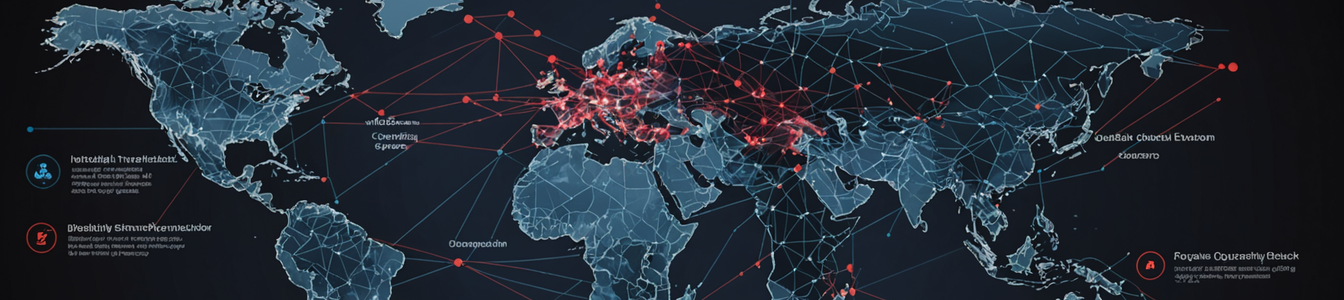
The cybersecurity landscape is facing unprecedented challenges as the United Kingdom implements its most significant asylum policy overhaul in modern times, while the United States considers parallel immigration restrictions that would dramatically reshape border security frameworks. These policy transformations are creating complex digital ecosystems that cybersecurity professionals must secure against evolving threats.
UK's Digital Border Transformation
The UK government has announced sweeping changes to its asylum system, effectively ending what critics described as a 'golden ticket' approach to refugee protection. The new framework introduces stringent digital verification requirements and automated decision-making systems that significantly expand the attack surface for potential cyber threats. The policy shifts include enhanced biometric data collection, real-time document verification, and interconnected database systems that must communicate across multiple government agencies.
From a cybersecurity perspective, these changes create multiple vulnerability points. The integration of biometric databases with immigration systems requires robust encryption protocols and continuous monitoring to prevent data breaches. The real-time verification systems, while improving efficiency, introduce potential points of failure that malicious actors could exploit to manipulate asylum decisions or create false identities.
US Parallel Developments
Simultaneously, the United States is considering significant restrictions on green card access for nationals from countries previously affected by travel bans. This policy direction would necessitate the development of sophisticated screening algorithms and automated risk assessment tools that rely on complex data analytics and artificial intelligence.
The cybersecurity implications are substantial. Such systems would process enormous volumes of sensitive personal data, requiring advanced threat detection capabilities and robust access controls. The potential for false positives or system manipulation poses significant risks to both national security and individual rights.
Technical Vulnerabilities and Mitigation Strategies
Cybersecurity professionals identify several critical areas requiring immediate attention. The migration from legacy systems to modern digital platforms creates transitional vulnerabilities that attackers could exploit. The interoperability requirements between different government databases increase the complexity of security architectures, while the need for real-time processing demands robust infrastructure that can withstand distributed denial-of-service attacks and other disruption attempts.
Biometric data protection emerges as a particularly sensitive area. The collection and storage of facial recognition data, fingerprints, and other biological identifiers create high-value targets for cybercriminals. Advanced encryption standards, multi-factor authentication, and continuous security auditing become essential components of any secure border management system.
The human factor remains a significant vulnerability. Training immigration officials and technical staff on cybersecurity best practices is crucial, as social engineering attacks and insider threats represent persistent risks to system integrity.
Future Preparedness and Recommendations
As border security frameworks continue to digitize, cybersecurity must become an integral component of policy planning rather than an afterthought. Regular penetration testing, vulnerability assessments, and red team exercises should be standard practice for all immigration technology systems.
The international nature of immigration requires coordinated cybersecurity efforts across borders. Information sharing about threat patterns and attack methodologies can help prevent cross-border cyber incidents that might compromise multiple nations' security systems simultaneously.
Cybersecurity professionals recommend implementing zero-trust architectures for all border security systems, where no user or system is inherently trusted, and verification is required from everyone trying to access resources. This approach, combined with advanced behavioral analytics and machine learning-based anomaly detection, can provide robust protection against evolving cyber threats.
The convergence of immigration policy and cybersecurity represents a new frontier in national security planning. As governments worldwide continue to digitize border controls, the cybersecurity community must remain vigilant in identifying emerging threats and developing effective countermeasures that protect both national security interests and individual privacy rights.
Comentarios 0
Comentando como:
¡Únete a la conversación!
Sé el primero en compartir tu opinión sobre este artículo.
¡Inicia la conversación!
Sé el primero en comentar este artículo.