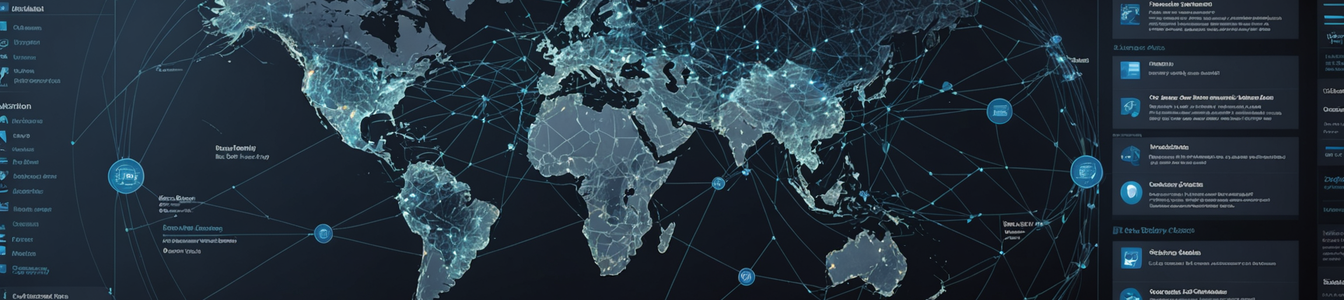
The global landscape of immigration policy is undergoing significant transformation, with cybersecurity implications that extend far beyond traditional border security concerns. Recent developments in the United Kingdom, United States, and other Western nations reveal a complex interplay between immigration reform and digital security frameworks that demands immediate attention from cybersecurity professionals.
In the United Kingdom, proposed changes to the asylum system would transition from permanent to temporary status for approved applicants. This fundamental shift creates new cybersecurity challenges in identity management and document verification. Temporary status requires more frequent renewals and ongoing monitoring, significantly increasing the attack surface for digital systems. The need for continuous verification creates multiple touchpoints where bad actors could exploit vulnerabilities in digital identity platforms.
The United States is confronting similar challenges through proposed reforms to the H-1B visa program. Conservative commentators like Will Cain have highlighted systemic abuses in the current framework, prompting calls for substantial reforms. The most dramatic proposal involves implementing a $100,000 fee for H-1B visas, a measure the White House describes as crucial for preventing system abuse. While primarily addressing economic concerns, this reform has profound cybersecurity implications. Higher-value transactions attract more sophisticated cybercriminal attention, requiring enhanced security around payment processing and applicant verification systems.
Simultaneously, the Trump administration is considering restrictions on green card issuance for immigrants from countries subject to travel bans. This policy shift would necessitate more sophisticated background check systems and enhanced digital screening capabilities. The integration of multiple government databases creates complex cybersecurity challenges, particularly regarding data integrity and protection against nation-state attacks seeking to manipulate immigration decisions.
Cybersecurity professionals face three primary challenges in this evolving landscape. First, the digitization of immigration processes creates attractive targets for threat actors. Systems handling biometric data, financial transactions, and personal information represent high-value targets that require robust protection against both external attacks and insider threats.
Second, the temporary nature of new immigration statuses increases the frequency of system interactions, multiplying potential attack vectors. Each renewal, status check, or documentation update represents an opportunity for exploitation through phishing, social engineering, or system compromise.
Third, international data sharing between immigration authorities creates complex jurisdictional and security considerations. Differences in data protection standards, varying cybersecurity maturity levels, and political considerations all impact the security of shared immigration data.
The convergence of physical and digital security in immigration systems requires a holistic approach to cybersecurity. Organizations must implement multi-layered security architectures that protect both the data and the processes supporting immigration decisions. This includes advanced threat detection systems, robust identity and access management controls, and comprehensive monitoring of critical immigration infrastructure.
Furthermore, the human element remains crucial. Training immigration officials to recognize cybersecurity threats, implementing strict access controls, and developing incident response plans specific to immigration systems are essential components of a comprehensive security strategy.
As nations continue to reform their immigration policies, cybersecurity considerations must remain at the forefront of implementation planning. The integrity of national security frameworks depends on the resilience of the digital systems that support them. Cybersecurity professionals have a critical role to play in ensuring that immigration reforms enhance, rather than compromise, national security objectives.
The evolving threat landscape requires continuous adaptation and collaboration between government agencies, private sector partners, and international allies. Only through coordinated effort can we build immigration systems that are both secure and efficient, protecting national interests while facilitating legitimate travel and migration.
Comentarios 0
Comentando como:
¡Únete a la conversación!
Sé el primero en compartir tu opinión sobre este artículo.
¡Inicia la conversación!
Sé el primero en comentar este artículo.