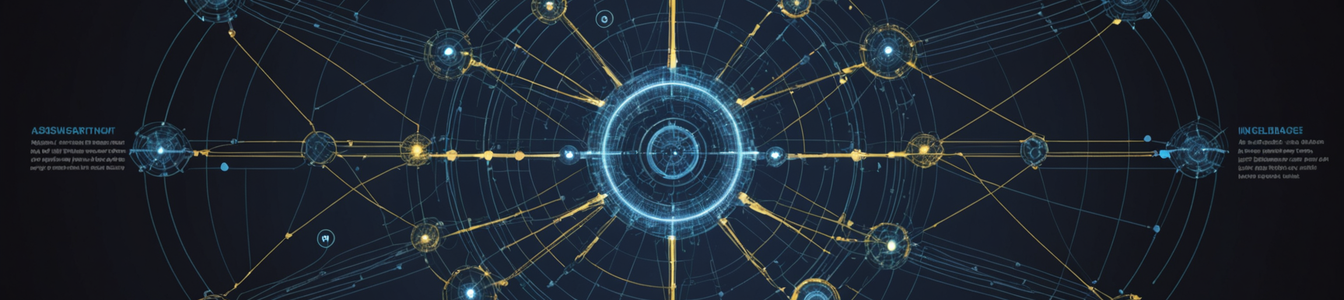
The concept of 'digital sovereignty' is rapidly evolving from a theoretical geopolitical aspiration into a concrete operational blueprint, and India's recent diplomatic and technological maneuvers provide a compelling case study. Rather than pursuing technological isolation, New Delhi is architecting a network of strategic, trust-based alliances focused on critical infrastructure, AI development, and cyber defense. This multi-pronged approach, combining deep domestic capability-building with selective international partnerships, is redefining what it means to be sovereign in the digital age and has significant implications for global cybersecurity architectures.
Hardening the Domestic Core: AI for Sovereign Payments Infrastructure
The most technically specific move comes from the partnership between the National Payments Corporation of India (NPCI) and NVIDIA. NPCI, the umbrella organization for operating retail payments and settlement systems in India, processes billions of transactions through platforms like UPI (Unified Payments Interface). This system is not just a financial network; it is critical national infrastructure. The collaboration with NVIDIA aims to build sovereign AI computing infrastructure. In practice, this means leveraging NVIDIA's expertise in accelerated computing and AI platforms to create a secure, scalable AI backbone within India's borders.
For cybersecurity professionals, the implications are profound. This infrastructure is designed to enable advanced fraud detection systems, real-time transaction anomaly analysis, and the development of secure, homegrown AI models for financial services. By building this capability domestically in partnership with a global leader, India seeks to reduce dependence on foreign cloud and AI service providers, mitigating risks related to data jurisdiction, algorithmic transparency, and supply chain vulnerabilities in AI hardware and software. It's a move to control the entire stack—from the silicon-optimized infrastructure to the application-layer AI models protecting a trillion-dollar digital economy.
The International Corridors: Strategic Alliances with France and the EU
Parallel to this domestic build-out, India is meticulously crafting its international tech diplomacy. Reports indicate France is moving into the top tier of India's foreign policy priorities. This relationship transcends traditional diplomacy, centering on advanced technology sharing, co-development in defense and aerospace (sectors with immense cybersecurity overlap), and likely, collaboration on secure communications and cyber threat intelligence. The France-India axis represents a partnership between two major digital economies seeking strategic autonomy, offering a counterbalance to other tech blocs and enabling shared development of secure technologies.
Furthermore, Prime Minister Narendra Modi's meeting with Croatian PM Andrej Plenković on the sidelines of the AI Impact Summit 2026 highlights the multilateral dimension. Discussions focused on AI cooperation, clean energy technology, and advancing the India-EU Free Trade Agreement (FTA). Engagement with a European Union member state like Croatia on AI is particularly significant. It provides India a channel to influence and align with the EU's evolving AI Act framework, ensuring future Indian AI systems and data flows are compatible with one of the world's strictest regulatory regimes. Clean energy tech cooperation also has a cybersecurity component, involving the protection of next-generation smart grids and critical energy infrastructure from cyber threats.
The Cybersecurity Implications of the Sovereign AI Alliance Model
India's actions illustrate a new paradigm: Networked Sovereignty. This model rejects the notion of a completely closed, techno-nationalist system in favor of a sovereign core connected through secure, governed gateways to trusted partners. For the cybersecurity industry, this shift presents both challenges and opportunities.
Challenges:
- Fragmentation of Standards: An alliance-based world could lead to competing technology standards (e.g., for data encryption, AI ethics, or IoT security) between blocs (India-EU, US-UK, etc.), complicating global incident response and defense.
- Supply Chain Complexity: While reducing dependency on single sources, building alliances around different technology providers (like NVIDIA in India's case) creates new, complex supply chain security maps that must be audited and secured.
- Attractive Target: A highly interconnected network of sovereign digital assets may present a more complex, but potentially more lucrative, target for advanced persistent threats (APTs) seeking to exploit trust relationships.
Opportunities:
- Resilient Architectures: The model promotes redundancy and resilience. If one corridor is compromised, alliances with others can provide alternative pathways for secure communication and commerce.
- Focused Innovation: Partnerships like the NPCI-NVIDIA deal drive innovation in sector-specific cybersecurity (fintech, in this case), developing best practices that can be adopted globally.
- Collective Defense: Strategic tech alliances naturally extend to cyber defense pacts, enabling faster sharing of threat intelligence and coordinated responses to attacks on critical infrastructure within the alliance.
Conclusion: A Blueprint for the Future
India is not merely talking about digital sovereignty; it is engineering it through a dual strategy of domestic infrastructure hardening and intelligent alliance-building. The NPCI-NVIDIA partnership secures the financial lifeline, while the elevated ties with France and engagement with the EU through partners like Croatia secure India's position in the global technology and regulatory landscape. This approach offers a viable blueprint for other nations navigating the treacherous waters of digital dependence.
For chief information security officers (CISOs) and geopoliticians alike, the lesson is clear: the future of national cybersecurity lies not in isolated fortresses, but in strategically designed, well-defended networks of trust. The race is no longer just to build the best technology, but to forge the most resilient and secure alliances around it. As these sovereign AI networks coalesce, the global cybersecurity landscape will be irrevocably shaped by the architecture of these new, digital-era partnerships.
Comentarios 0
Comentando como:
¡Únete a la conversación!
Sé el primero en compartir tu opinión sobre este artículo.
¡Inicia la conversación!
Sé el primero en comentar este artículo.