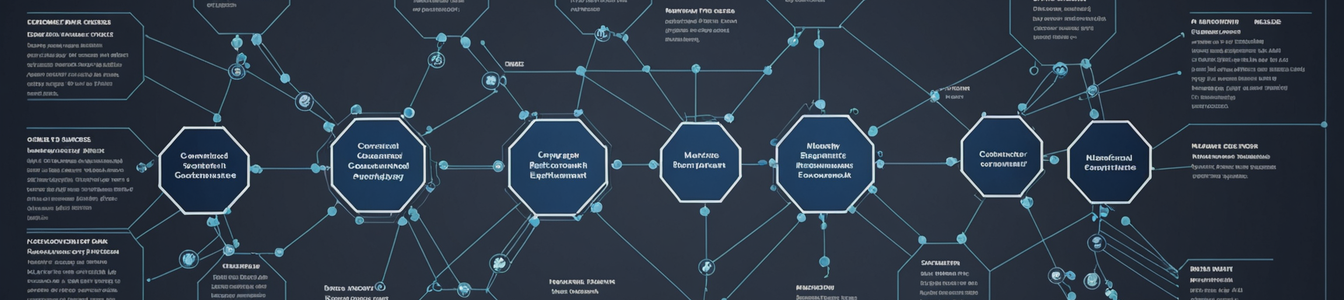
A significant regulatory transformation is underway across Indian municipalities, establishing a blueprint for how local compliance will be enforced through structured committees and technology platforms. This dual approach represents a fundamental shift in regulatory strategy, moving from reactive enforcement to proactive, system-driven compliance management.
The Committee Mandate: Structured Governance with Deadlines
In Delhi, education authorities have issued a directive requiring all private schools to establish fee regulation committees by January 10. These committees will serve as permanent oversight bodies with specific responsibilities: reviewing fee structures, ensuring transparency in financial operations, and providing formal channels for parental concerns. The mandate creates an institutionalized compliance mechanism that embeds regulatory oversight directly into organizational structures.
This approach represents more than just another compliance requirement. It establishes a governance framework with clear deadlines, defined responsibilities, and structured reporting requirements. For cybersecurity professionals, these mandated committees create new security considerations: secure communication channels between committee members, protected data sharing mechanisms for financial information, and audit trails for all committee decisions and communications.
The Technology Transformation: Platform-Based Compliance
Parallel to the committee mandates, the Greater Hyderabad Municipal Corporation (GHMC) is implementing a comprehensive technology overhaul aimed at enhancing service delivery and regulatory monitoring. The initiative involves deploying integrated platforms that connect various municipal functions, from licensing and permitting to compliance monitoring and citizen services.
This technological transformation introduces significant cybersecurity implications. The integration of multiple municipal systems creates expanded attack surfaces, while the centralization of regulatory data presents attractive targets for threat actors. The platforms must balance accessibility for citizens and officials with robust security controls to protect sensitive information and ensure system integrity.
Convergence of Compliance and Cybersecurity
These developments highlight the growing convergence between regulatory compliance and cybersecurity in public sector operations. The mandated committees require digital tools for their operations—secure document sharing platforms, encrypted communication channels, and digital voting or decision-making systems. Each of these tools introduces specific security requirements and potential vulnerabilities.
Similarly, the municipal technology platforms must comply with multiple regulatory frameworks while maintaining operational security. They must ensure data privacy in accordance with local regulations, maintain availability for critical services, and protect against both external attacks and insider threats.
OT and IoT Security Implications
The municipal technology platforms increasingly incorporate Operational Technology (OT) and Internet of Things (IoT) components for functions like traffic management, utility monitoring, and environmental controls. These systems introduce unique security challenges at the intersection of physical infrastructure and digital controls. Security professionals must consider not only data protection but also the physical safety implications of compromised municipal systems.
The integration of compliance committees with technology platforms creates additional complexity. Committee decisions may trigger automated actions within municipal systems, requiring secure interfaces and validation mechanisms. This integration between human governance decisions and automated systems represents a new frontier in public sector cybersecurity.
Implementation Challenges and Security Considerations
Several implementation challenges emerge from this regulatory blueprint:
- Identity and Access Management: Committee members require appropriate access levels to sensitive information without compromising security. Municipal platforms must support granular access controls while maintaining usability.
- Data Protection and Privacy: Financial data reviewed by committees and citizen information processed by municipal platforms require robust encryption both in transit and at rest, along with clear data retention and deletion policies.
- System Integration Security: The connection between committee management systems and municipal operational platforms creates potential attack vectors that must be secured through proper API security, network segmentation, and monitoring.
- Audit and Accountability: Both committee decisions and platform operations require comprehensive logging and audit capabilities to demonstrate compliance and investigate potential security incidents.
- Third-Party Risk Management: Many municipalities will rely on third-party vendors for platform development and maintenance, introducing supply chain security considerations.
Broader Implications for Cybersecurity Professionals
This regulatory trend has implications beyond Indian municipalities. Governments worldwide are exploring similar approaches to local compliance enforcement. Cybersecurity professionals should anticipate:
- Increased demand for secure collaboration platforms that support regulatory committees
- Growing need for integrated security solutions that span both IT and OT environments in public sector contexts
- Expanded requirements for compliance monitoring and reporting capabilities within security tools
- New opportunities for security consulting around regulatory implementation and technology deployment
Future Outlook
The combination of mandatory committees and technology platforms represents a new paradigm in regulatory enforcement. As this model spreads to other jurisdictions and sectors, cybersecurity will become increasingly integral to compliance success. Organizations that proactively address the security implications of these regulatory structures will be better positioned to meet compliance requirements while maintaining robust security postures.
For cybersecurity vendors and service providers, this trend creates opportunities to develop specialized solutions for public sector compliance, including secure committee management platforms, integrated compliance monitoring tools, and OT/IoT security solutions tailored to municipal environments.
The deadline-driven nature of these mandates—exemplified by Delhi's January 10 requirement—adds urgency to implementation efforts, potentially creating security gaps if proper planning and testing are sacrificed for speed. Cybersecurity professionals must advocate for security-by-design approaches even under tight regulatory deadlines.
This regulatory blueprint demonstrates how compliance requirements are evolving from checklist exercises to integrated governance and technology frameworks. Successfully navigating this evolution requires close collaboration between compliance officers, technology implementers, and cybersecurity professionals to create systems that are both compliant and secure.
Comentarios 0
Comentando como:
¡Únete a la conversación!
Sé el primero en compartir tu opinión sobre este artículo.
¡Inicia la conversación!
Sé el primero en comentar este artículo.